Why Brush Choice Matters: A brush isn’t just a detangling tool-it interacts with your hair and scalp in ways that affect long-term health: Brushing distributes natural oils, conditioning hair naturally. The wrong brush can cause breakage, pulling strands instead of gliding through them. The right brush reduces frizz and static, leaving hair smoother. Scalp-friendly designs improve circulation, supporting stronger growth. By matching the brush to your needs, you ensure every stroke supports your hair rather than working against it.
Matching Brush to Hair Type and Styling Goal
Fine or Thin Hair: Fine hair requires a gentle approach. Brushes that are too stiff can break fragile strands. Best Choice: Natural boar bristle brushes, such as those in the Classic Collection, polish and condition without tugging. Why It Works: Boar bristles mimic the structure of human hair, helping distribute oils while adding shine and smoothness. Styling Tip: Use a small oval for daily care, and a round boar bristle brush for blow-drying volume without damage.
Thick or Coarse Hair: Thicker textures need brushes that can move through density without snagging. Best Choice: Paddle brushes with bamboo pins, like the Green Brush large paddle. Why It Works: Wide-set pins glide through heavy strands, detangling efficiently while massaging the scalp. Styling Tip: Use on damp hair to detangle before heat styling. The pneumatic cushion ensures comfort even with dense textures.
Curly and Textured Hair: Curly and coily hair is prone to tangles and requires brushes that respect curl patterns. Best Choice: Detangling brushes with flexible pins or wide paddles. Bass’s bamboo pin brushes are especially gentle on curls. Why It Works: Rounded pin tips separate curls without tearing or flattening them. Styling Tip: Detangle in sections from ends to roots. Follow up with a boar bristle brush to polish if desired.
Long Hair: Long hair benefits from brushes that cover more surface area to save time. Best Choice: Extra-large paddles or cushioned oval brushes. Why It Works: Larger designs detangle and smooth more strands at once. Styling Tip: Start detangling from the ends upward to avoid breakage. Bass paddles with bamboo pins are ideal for this process.
Short Hair: Shorter styles often require precision rather than coverage. Best Choice: Compact ovals or small round brushes. Why It Works: Smaller brushes provide control, especially for men’s grooming or shorter cuts. Styling Tip: A boar bristle club brush works well for smoothing men’s hair or maintaining close styles.
Sensitive Scalps: For delicate or irritated scalps, brush design makes all the difference. Best Choice: Soft boar bristle brushes or cushioned bamboo pin brushes. Why It Works: Bristles are gentle on the skin, while radius pin tips provide massage without scratching. Styling Tip: Avoid brushing aggressively. Let the cushion and design do the work.
Brush Types and Their Ideal Uses
Detangling brushes: Good for all hair types - even the thickest, curliest hair - and they can be used on both wet and dry hair. They minimize damage from brushing knots, and their thin flexible bristles make it easier to painlessly get knots out of kids’ hair. Wet hairbrushes: The original WetBrush is an affordable option. Its fine, soft bristles are strong enough to work through knots, and soft enough not to cause damage to wet hair. The American Academy of Dermatology Association warns against brushing wet hair because it’s more prone to breakage. However, if you have very textured or curly hair, brushing when wet is a good idea. They typically have heat-resistant bristles that won’t melt or break when blow-drying hair. Shower hairbrushes: A shower hairbrush is a wet hairbrush with vents for fast drying. Its flexible design and soft bristles are perfect for sopping wet hair. Many come with a hooked bottom for easy hanging off your shower caddy. Cushion brushes: Cushion brushes have soft rubber bases and stiff wire or plastic bristles. The stiff bristles are effective at stimulating the scalp and are good for brushing out dandruff or buildup from hair styling products, and possibly for stimulating hair growth. Thermal brushes: Thermal brushes are round or paddle brushes with a barrel made of a material that conducts heat, such as ceramic, tourmaline, or titanium. This can speed up drying. These are generally used by hair stylists, or people who frequently use a blow-dryer. Tiny boar bristle brushes: Boar bristle brushes redistribute natural oils in the scalp, enhancing health and shine. Nylon bristle brushes: Nylon bristles reduce static and detangle thick hair; some brushes combine nylon with boar bristles for detangling plus shine. Curved brushes: Ergonomically shaped to fit the head; travel-friendly with vents for quick drying. Natural bristle brushes: For those avoiding animal products, alternatives mimic boar bristle feel using plant-based or mixed fibers. Mixed bristle brushes: Combine boar shine with nylon detangling for long or thick hair. Paddle brushes: Wide bases cover more ground and smooth wide sections, great for long straight hair. Vented brushes: Vents allow heat to flow through for faster blow-drying and reduced frizz. Anti-static and ionic brushes: Reduce static and frizz by dispersing ions; metal combs can help also. Round brushes: Circular brushes help with blow-drying shapes to create curls, waves, or volume. Teasing and rat tail brushes: Small brushes for crown volume and sectioning; rat tail helps lift hair for fullness. Wide-tooth combs: Thick teeth with space for detangling curly or thick wet hair. Straightening brushes: A blend between a straightener and paddle brush that heats and smooths in one tool. Smoothing brushes: Paddle brushes with soft bristles for sleek looks and detangling at the same time.
Why Use More Than One Brush
Most hair routines benefit from using more than one brush. A detangling brush, a polishing brush, and a styling brush each serve a different purpose, making the routine more effective and less stressful on the hair.
Practical Care and Use Tips
When brushing, start gently and adapt pressure to hair type. The right brush distributes oils, adds shine, and can reduce breakage when used correctly. Brush hair when dry for smoothing and oil distribution, and detangle gently on damp hair with a detangling brush. For styling, switch to round or thermal brushes as needed to shape, volume, or curl.
To keep brushes in good condition:- Clean regularly to remove hair and product buildup.- Replace damaged brushes to avoid breakage.- Store in a dry place to prevent mildew and bristle degradation.
FAQs About Hairbrushes
- How do I choose the right hairbrush for my hair type? Start by identifying your hair’s texture, density, and daily goal. Fine hair usually needs gentler contact, thick hair often needs stronger structure, curly hair may need more spacing and control, and smoothing or shine requires a different brush than detangling or heat styling.
- Is one hairbrush enough for every hair type and style? Not always. A complete routine may use different brushes for different stages. A pin brush may help with detangling, a boar bristle brush may help with shine and conditioning, and a round brush may help with blow-drying, straightening, curling, or shaping.
- What brush is best for fine hair? Fine hair usually benefits from softer bristles, gentle pins, or cushioned designs that reduce pulling. The goal is to control and smooth the hair without creating unnecessary tension or flattening the hair too aggressively.
- What brush is best for thick hair? Thick hair often needs a brush with more structure, spacing, or firmness so it can move through the hair effectively. Stronger pin brushes, hybrid designs, or larger paddle-style brushes can help manage density and reduce brushing frustration.
- What brush is best for curly hair? Curly hair often benefits from brushes that separate and detangle without disrupting the curl pattern too aggressively. Wider spacing, flexible pins, and careful technique are especially important, and many curly textures respond best when detangled in sections.
- What is the difference between a detangling brush and a smoothing brush? A detangling brush is designed to separate knots and reduce resistance. A smoothing brush is designed to refine the surface, improve polish, and create a more finished appearance. Using a smoothing brush before tangles are removed can lead to pulling or poor results.
- When should I use a boar bristle brush? A boar bristle brush is best used when the hair is already detangled and ready for shine, smoothing, and natural oil distribution. It is not usually the first tool for heavy knots or wet detangling.
- Should hair be brushed wet or dry? It depends on the goal. Wet or damp hair should be handled gently with an appropriate detangling brush. Dry hair is usually better for smoothing, polishing, and natural oil distribution with a boar bristle or finishing brush.
- What is the most important rule when choosing a hairbrush? Choose the brush by function first. Detangle when the hair needs separation, smooth when the hair is ready for polish, and use a round brush when airflow and shaping are part of the routine.
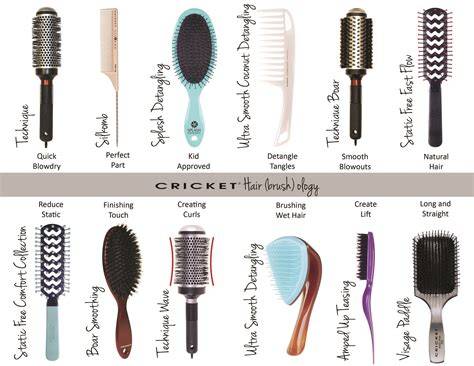
To summarize: the right brush for your hair type and styling goal can significantly impact hair health and results, and using a combination of brushes tailored to your routine can optimize outcomes.
Brand Insight: Bass Brushes
For nearly fifty years, Bass Brushes has created a wide range of professional-grade tools designed for every kind of hair. From natural boar bristle brushes that polish to bamboo pin brushes that detangle, Bass organizes its collections so that everyone-from salon professionals to everyday users-can find the perfect match. This guide takes a deep look at how to choose the right brush for you, ensuring healthier hair and better results.
Additional Resources and Notes
The products on your shelf are only part of the story. The brush you choose can make the difference between frizz and smoothness, breakage and strength, frustration and ease. A complete routine may include detangling, polishing, and styling brushes to match each step of your daily regimen.