Ingrown hair surgery, also known as surgical excision or removal of ingrown hairs, is a procedure performed to address ingrown hairs that have become embedded or trapped beneath the skin’s surface. Ingrown hairs occur when hair follicles become clogged with dead skin cells, debris, or oils, leading to inflammation, redness, pain, and the formation of small bumps or cysts. While ingrown hairs often resolve on their own or with conservative treatments, such as exfoliation, warm compresses, and topical medications, severe or recurrent cases may require surgical intervention to remove the ingrown hairs and prevent complications. At Aktif International Hospitals, we offer comprehensive ingrown hair surgery services provided by experienced dermatologic surgeons to address ingrown hair concerns and promote healthy, clear skin.
What is ingrown hair surgery, and why is it performed?
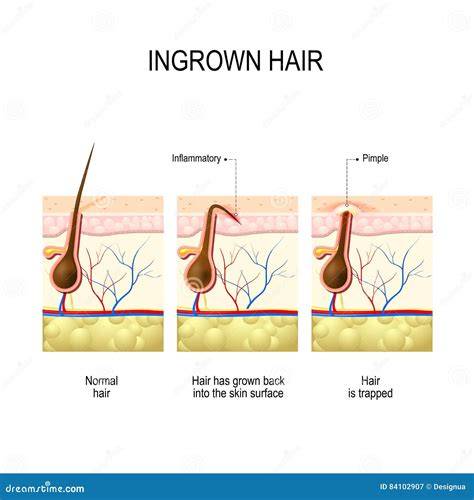
Ingrown hair surgery involves the surgical excision or removal of ingrown hairs that have become embedded or trapped beneath the skin’s surface. Ingrown hairs occur when hair follicles grow back into the skin instead of outward, leading to inflammation, irritation, pain, and the formation of papules, pustules, or cysts. Ingrown hair surgery may be recommended for severe or recurrent cases of ingrown hairs that do not respond to conservative treatments or that result in complications such as infection, abscess formation, scarring, or hyperpigmentation.
Benefits of ingrown hair surgery
- Resolution of symptoms: Surgical removal of ingrown hairs can alleviate pain, inflammation, redness, itching, and discomfort associated with ingrown hair follicles.
- Prevention of complications: The procedure can prevent infection, abscess formation, scarring, or hyperpigmentation that may result from untreated or recurrent ingrown hairs.
- Improvement of skin appearance: Surgical excision can improve skin texture by eliminating bumps, cysts, or lesions, resulting in smoother, clearer skin.
How is ingrown hair surgery performed at Aktif International Hospitals?
Ingrown hair surgery at Aktif International Hospitals is performed by experienced dermatologic surgeons using sterile techniques and specialized surgical instruments. The procedure may involve the following steps:
- Preparation: The surgical site is cleansed and prepared using antiseptic solutions to reduce the risk of infection and ensure a sterile environment.
- Local anesthesia: A local anesthetic is administered to numb the area and minimize discomfort during the procedure.
- Surgical excision: The dermatologist carefully incises the skin and removes the trapped or embedded ingrown hairs using precision techniques.
- Closure: The incision may be closed with sutures, adhesive strips, or surgical glue to promote optimal wound healing and minimize scarring.
- Post-operative care: Patients receive instructions for wound care, pain management, and follow-up to monitor healing and outcomes.
Why choose Aktif International Hospitals for ingrown hair surgery?
Aktif International Hospitals is committed to providing compassionate, personalized, and effective care for individuals seeking treatment for ingrown hairs and related skin concerns. Our team of dermatologic surgeons, nurses, and support staff deliver safe, high-quality ingrown hair surgery services tailored to each patient’s needs and goals. We prioritize patient safety, comfort, and satisfaction through state-of-the-art facilities, advanced techniques, and comprehensive post-operative care to ensure optimal outcomes.
Trust Aktif International Hospitals for Expert Ingrown Hair Surgery
If you’re experiencing severe or recurrent ingrown hairs that do not respond to conservative treatments, trust Aktif International Hospitals to provide expert guidance and care. Schedule a consultation with our experienced dermatologic surgeons to discuss your concerns, explore treatment options, and take proactive steps toward healthy, clear skin with Aktif International Hospitals by your side.
Ingrown hairs commonly arise after shaving, waxing, or plucking, especially in people with curly or coarse hair, and can appear on the face, neck, legs, armpits, and bikini line. While home care and non-surgical options help many, persistent cases may require surgical intervention to remove the hair and prevent recurrence.
Additional context: laser hair removal as a complementary approach
Laser hair removal is a non-surgical treatment designed to offer long-term relief from unwanted hair and to prevent ingrown hairs by reducing hair regrowth. It targets hair follicles and is particularly effective for individuals with dark hair and lighter skin. A typical course involves 4 to 8 sessions, with gradual improvements after each treatment. While not a substitute for surgical excision in acute ingrown hair cases, laser hair removal can significantly reduce recurrence in chronic cases, especially in areas like the bikini line or underarms.
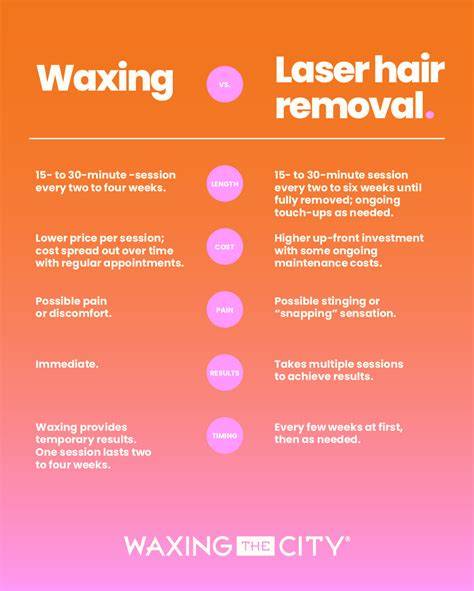
At True Jewel Cosmetic Center, laser hair removal systems such as Morpheus8 DiolazeXL may be used, and patients undergo a pre-treatment consultation to assess skin type and hair characteristics. Shaving the treatment area 24 hours before sessions and applying cooling gel during the procedure helps protect the skin. A multi-session approach is usually recommended, with visible reductions beginning after a few sessions. Post-treatment care is important to optimize results and minimize side effects.
Permanent Hair Removal: Electrolysis vs. Laser
Home care tips and treatment options for ingrown hairs include stopping shaving when possible, using electric shavers, trying depilatory products, applying warm compresses, and seeking medical advice if symptoms persist or worsen. In rare cases, medications or minor surgical interventions may be necessary to manage inflammation, infection, or scarring. In more serious cases, electrolysis or laser hair removal may be considered as long-term solutions.
How many sessions are typically required for effective laser hair removal?
Most people require between four to eight sessions to see significant results. Results are not immediate, and ongoing maintenance and aftercare are important. Laser hair removal works by targeting the hair in the active growth phase, which varies among hair follicles in a given area, leading to staggered results across the treated region.
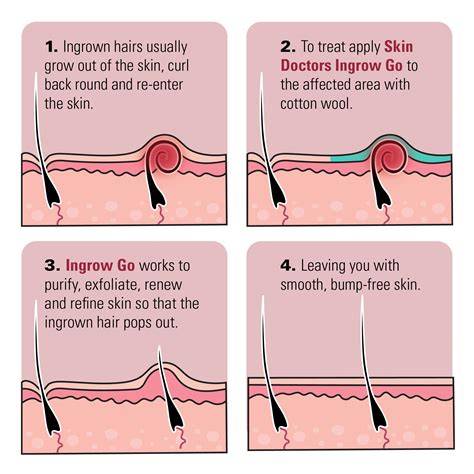
While an ingrown hair often presents as a small tender bump with a visible hair curled under the skin, not every painful bump is an ingrown hair. If you have a painful bump or persistent skin concerns, consult a dermatologist to determine the appropriate treatment path.
For recurrent problems, laser hair reduction can offer a long-term solution, and many clinics accept PPO plans and Medicare for medically necessary procedures. If you have a painful bump or other skin concerns, scheduling a medical visit with a qualified provider is advised.