It’s not often an ingredient comes along that works so well it becomes universally loved - but when one does, you know it’s worth paying attention to. When it comes to your hair, one such powerhouse is keratin. Chances are you’ve heard of it, as it’s the protein that makes up hair, skin and nails, and is vital for hair structure, protection and resilience. While keratin is something that’s found naturally in our hair, levels can easily be depleted due to various factors, from environment to lifestyle. But the good news is, applying it topically can quickly and effectively help to repair damage, reduce frizz and inject shine from the outside in. Here, we’ve broken down everything you need to know about keratin, why it’s a good-hair-day necessity, and how it works across numerous hair types and textures. Consider this the ultimate keratin cheat sheet.
What does keratin do and why is it so good for hair?
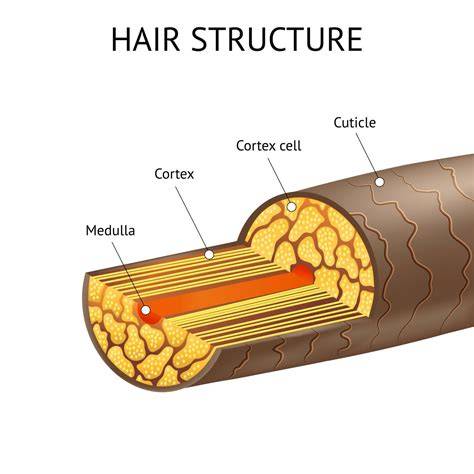
As mentioned earlier, keratin is a protein that, in essence, forms the structural building blocks of hair. Since hair is made up of more than 90% protein, protecting it is vital for ensuring strong, healthy locks. However, when it’s exposed to external aggressors, those protein bonds can become damaged, which leads to hair becoming lifeless, fragile and prone to breaking. By topically applying products that contain keratin, damaged hair can be revived, smoothed and become much more manageable overall.
Keratin penetrates the hair and works to smooth down the cells (AKA the cuticle) that overlap on the surface of individual hair strands. This leaves hair looking less damaged, feeling softer and looking more glossy. Additional benefits include making hair appear less frizzy and making it smoother, so it feels more manageable and easier to style.
What is a keratin treatment?
Keratin treatments can be done either at home or in the salon. With a salon treatment, liquid keratin is applied to hair and left for a length of time before being washed out. Then hair is blow-dried and finished with a straightener. Results are expected to last around six months or so depending on hair type, and prices vary depending on the salon, but are usually a few hundred dollars. At-home keratin treatments are applied either pre- or post-shampoo, and results typically last until your next wash (depending on how often you shampoo). At-home treatments, meanwhile, cost a fraction of the price and take quite a bit less time - plus the results can be prolonged by using a range of keratin-infused styling products.
Depending on what you think your hair would benefit from most, the Keraphix Repair & Strengthen Reparative Treatment can be used either as a pre-wash boost or post-shower leave-in treatment and heat protector. Thanks to a unique bonding technology that strengthens hair, this reparative cream visibly revives damaged hair - sealing up to 94% of split ends in the process.
Are keratin treatments good for damaged, bleached or frizzy hair?
Those are exactly the types of hair they are best for. Damage, excess frizz and split ends as a result of heat styling, environmental damage, bleaching, and coloring can all damage the keratin naturally present in your hair. Luckily, they are all things that can be rectified with a good keratin treatment.
How does keratin work on curly hair?
Many people with curly and coarse hair types use keratin because it makes their hair feel smoother and, in turn, more manageable. By nature, curly hair is more porous and, therefore, more prone to damage. By treating it with keratin-based products, it can become more resilient, healthier, and shinier. Whether you opt for a salon or at-home treatment, it’s always best to ensure you’re using keratin-friendly products as a follow-up. Not only will they have cumulative benefits for hair, they’ll also work to protect the precious keratin that the treatment has provided to ensure you reap the rewards for as long as possible.
Shampoos and conditioners, such as Nexxus’ Keraphix range, are silicone-free, so they’re kinder to hair (especially if it's colored), plus they contain collagen and elastin, keeping hair healthier for longer.
What is keratin in cosmetics and biology?
We manufacture quality milled keratin for the cosmetics and personal care industry. Keratin is a type of protein and a key structural component that makes up our hair, skin, and nails. What is Keratin? Keratin is a biological material and protective protein. These proteins are a group of cysteine-rich filament-forming proteins that act as a protective layer or shield, that can be derived from several animals.
The fibrous structural protein is a major bicomponent. Keratin has many advantages, including biodegradability, biocompatibility, and natural hydrophilic properties. Essentially, keratin is a collective of proteins that make up the building blocks of our hair, skin, and nails. The proteins band together to create strong and durable structures. Healthy, strong hair contains over 95 per cent of keratin. So understandably, hair can become damaged when using heated appliances and dyes.
When keratin is applied topically from a manufactured product, it helps to form a protective barrier on the skin, hair, and nails. Keratin is widely used in the cosmetics industry.
Keratin is dissolved in alkalies at high temperatures, such as sodium hydroxide (lye) or potassium hydroxide (potash). The alkali breaks the keratin protein down into small peptide chains and individual amino acids. Keratin is an important part of the nail bed, as it helps keep the nails strong and healthy. It can help to prevent cracking, splitting, and peeling.
We manufacture ground keratin flock and milled keratin derived from goat’s and sheep’s wool. Keratin ([1][2]) is one of a family of structural fibrous proteins also known as scleroproteins. It is the key structural material making up scales, hair, nails, feathers, horns, claws, hooves, and the outer layer of skin in tetrapod vertebrates. Keratin also protects epithelial cells from damage or stress. Keratin is extremely insoluble in water and organic solvents.
The harder beta-keratins (β-keratins) are found only in the sauropsids, i.e., all living reptiles and birds. They are found in the nails, scales, and claws of reptiles, in some reptile shells (Testudines), and in the feathers, beaks, and claws of birds. These keratins are formed primarily in beta sheets. The human genome encodes 54 functional keratin genes, located in two clusters on chromosomes 12 and 17. Protein sequence alignment of human keratin 1, 2A, 3,4, 5, 6A, 7, and 8 (KRT1 - KRT8). The keratin supercoil shape has limited space in the interior of the coil. This size restriction is balanced in keratin by a high frequency of glycine residues, the smallest protein amino-acid.
Hair grows continuously and feathers molt and regenerate. The constituent proteins may be phylogenetically homologous but differ somewhat in chemical structure and supermolecular organization. The evolutionary relationships are complex and only partially known. Keratin is highly resistant to digestive acids if ingested. Cats regularly ingest hair as part of their grooming behavior, leading to the gradual formation of hairballs that may be expelled orally or excreted. Keratin expression is helpful in determining epithelial origin in anaplastic cancers. Tumors that express keratin include carcinomas, thymomas, sarcomas and trophoblastic neoplasms.
Practical considerations and safety
Keratin treatments help smooth hair cuticles, giving hair a shinier appearance. They can also help your hair dry faster. But they’re also expensive and may contain potentially harmful ingredients. A keratin treatment, sometimes called a Brazilian blowout or Brazilian keratin treatment, is a chemical procedure usually done in a salon that can make hair look straighter for as long as 6 months. However, the treatment may increase health risks, including certain kinds of cancer, due to exposure to certain chemicals in the treatment. If you’re not sure if keratin treatment is right for you, weigh the pros and cons below. The body naturally makes the protein keratin. It’s what hair and nails are made up of. The keratin in these treatments may be derived from wool, feathers, or horns. Certain shampoos and conditioners contain keratin, but you’ll typically get the most significant benefits from a salon treatment done by a professional. The benefits of getting a professional keratin treatment or doing one at home can include: Chemically straightened hair, Smooth, shiny hair, It adds intense glossy shine to hair and can reduce frizz. Keratin smooths cells that overlap to form hair strands, which means more manageable hair and less frizz. This results in hair that dries with little frizz and has a glossy, healthy look. Keratin can also reduce the look of split ends by temporarily bonding the hair back together. Some formulations can smooth curls, making them appear softer. Thicker looking hair. Replenishing the keratin in your hair can cause it to look thicker. Long-lasting results. If you care for a keratin treatment by not washing your hair too frequently (2 to 3 times a week is enough), your keratin treatment can last up to 6 months. More manageable hair. Keratin treatments make hair more manageable, especially if your hair is particularly frizzy. If you constantly heat style your hair, you’ll notice that a keratin treatment makes it dry more quickly. Some people estimate that keratin cuts their drying time by more than half. Your hair may also become healthier and stronger because you can air dry it more often, preventing heat damage. Hair growth. Keratin can strengthen and fortify hair so it doesn’t easily break off. This can make hair seem to grow faster because the ends aren’t breaking off.
Formaldehyde and formaldehyde-releasing chemicals: Many (but not all) keratin treatments contain formaldehyde, which can be dangerous if inhaled. It can cause headaches, dizziness, eye issues, sore throat, cough or wheezing, chest pain, nausea and vomiting, rash, kidney injury. Formaldehyde is what actually makes the hair look straighter. Hazardous chemicals may release formaldehyde gas when heated. A 2021 case study reported that a 13-year-old female experienced severe kidney injury due to formaldehyde in a keratin treatment product marketed as formaldehyde-free. The FDA recommends reviewing the ingredients list and communicating with your stylist about the salon’s safety practices to limit formaldehyde exposure. They have issued warning letters to brands whose products contained unsafe amounts of formaldehyde or did not disclose the presence of formaldehyde. Cancer risk research from 2019 linked chemical straighteners and breast cancer risk; 2021 and 2022 studies suggest links to ovarian and uterine cancers with chemical straighteners. Cost ranges from about $300-$800 per salon treatment, while at-home options are cheaper but shorter-lasting. Hard to maintain, water types and wait times affect longevity, and it’s not recommended for pregnant people. A keratin treatment can benefit hair by smoothing frizz, straightening, and giving a shiny appearance, and can last up to 6 months, but comes with health considerations that require careful evaluation.