Ingrown hairs are a common irritation and there are some factors that can increase how often you experience them and whether or not they could have an effect on your skin over time. An ingrown hair occurs when a hair strand attempts to grow out of a follicle opening but ends up growing into the skin. When the hair grows into the skin, your body considers it a foreign object, causing redness and inflammation as it attempts to fight it off. Some ingrown hairs may also cause infection or become pus-filled pustules, similar to an acne breakout.
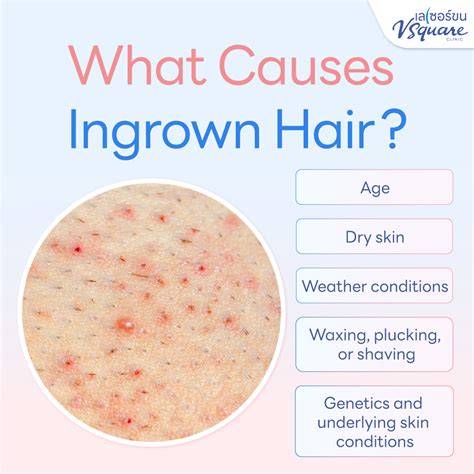
Typically speaking, the first type, which grows back in on itself, is easy to treat at home and less likely to risk infection. The latter two types, however, are more likely to cause inflammation, infection, hyperpigmentation, and keloid scarring in some cases. On a serious note, it is best to let the professionals treat you instead of trying to remove it yourself with the risk of scarring. You shave, tweeze, or wax - These methods of hair removal tend to leave fragments of each hair behind, below the skin’s surface. Shaving, in particular, risks cutting each hair off at a sharp edge, making it easier for hair to grow into the skin. Add to this the fact that many of us neglect to exfoliate between hair removal methods and forget to shave in the direction of hair growth.
You wear tight clothing or there is more friction in the affected area - Tighter clothing and areas of friction tends to push hair back toward the skin, causing otherwise normal hairs to attempt to grow back into the skin as they have nowhere else to go. You have coarser, curlier hair - Naturally coarse, curly hair tends to naturally want to curl back and grow in on itself. For those who wish to continue to shave, our tips for a stress-free shave can also double up as steps to lower your risk of ingrowth. For shaving, waxing, or tweezing, exfoliating between hair removal sessions and ensuring the skin stays hydrated can also help to keep follicles open, encourage healthy, supple hair growth, and better prevent ingrown hairs.
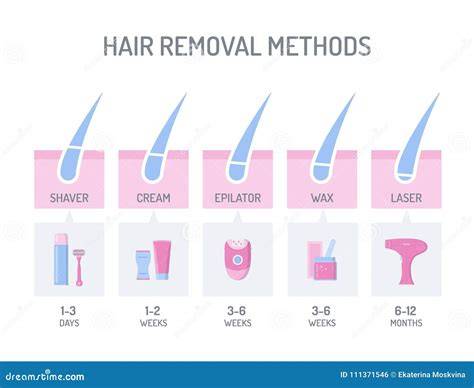
For pigmentation related to ingrown hairs, depending on where it has occurred, a retinoid-based treatment may be an effective solution. Retinoids help to exfoliate skin and encourage healthy skin cell turnover to gradually reduce the appearance of scarring or pigmentation. To get to the very root of the problem, though, laser hair removal treatments may be your best bet. Using advanced technology, Venus Intense Pulsed Light (IPL) and diode laser hair removal treatments remove hair at a deeper level as compared to shaving and goes one step further than waxing or tweezing to inhibit hair regrowth. These treatments utilize IPL and diode laser technology to target the pigment in each hair and destroy the hair follicle, causing the treated hair to fall out and preventing regrowth. Multiple sessions are needed to ensure all hairs are treated because hair cycles through growing phases. The result is a permanent reduction in hair regrowth and an effective way to end the cycle of your chronic ingrown hairs.
Overview: Ingrown hair occurs when a hair that's been removed starts to grow back and curves into the skin. Shaving, tweezing or waxing can cause this to happen. An ingrown hair can cause tiny, swollen bumps on the skin that may hurt. Most instances of ingrown hair get better without treatment. You can avoid this condition by not removing hair or not shaving very close to the skin. When to see a doctor: An occasional ingrown hair isn't cause for alarm. Causes: Hair structure and direction of growth play a role in ingrown hair. A curved hair follicle, which produces tightly curled hair, is believed to encourage the hair to reenter the skin once the hair is cut and starts to grow back. Pulling your skin when you shave. Prevention: To help prevent ingrown hair, avoid shaving, tweezing and waxing. Apply lubricating shaving cream or gel a few minutes before shaving to soften the hair. Apply shaving cream and use a sharp, single-blade razor. Rinse your skin and apply a cool, wet cloth for about five minutes. Electric razor or clippers. With the razor, avoid the closest shave setting. Chemical hair remover (depilatory).
In cases where ingrown hairs persist or become troublesome, professional treatments can help. Laser hair removal uses concentrated light energy to target the pigment in the hair follicle. This energy damages the follicle’s ability to produce new hair, significantly reducing hair growth over time. Chemical peels are professional exfoliation treatments that remove the outermost layer of dead skin cells. By keeping the skin’s surface clear, chemical peels help prevent new hair from becoming trapped under the skin. Post-inflammatory hyperpigmentation (dark spots) often develops after repeated ingrown hairs or inflammation. If you struggle with chronic ingrown hairs, especially in areas such as the pubic area, face, or legs, advanced solutions can help you treat and prevent recurrence. Our most effective options can be customized to suit your skin type and hair type, making them ideal for managing coarse or curly hair and reducing the risk of future shave bumps or barber’s bumps.
What about distinguishing from related conditions? Folliculitis is an inflammation or infection of the hair follicle, often caused by bacteria like Staphylococcus aureus, and can look similar to ingrown hairs. Folliculitis may require antibiotics or antifungal care, while ingrown hairs usually respond to gentle self-care. Warm, damp environments are ideal for bacteria and yeast to thrive, which is why folliculitis is common after workouts, hot tub use, or shaving without proper hygiene. Ingrown hairs are usually linked to hair removal habits and friction. Treatment depends on the cause and severity. While you might be tempted to pop a pustule or bump, this can worsen infection or cause scarring. If signs of infection appear, contact a healthcare provider for evaluation.
Home care for ingrown hairs includes gentle exfoliation, using warm (not hot) water, circular motions with a washcloth or exfoliating brush, and keeping the skin hydrated. If an ingrown hair has looped or curled back into the skin, it can be removed by gently pulling it out with a sterile needle, pin, or tweezers after applying rubbing alcohol to the area. If home care fails, see a doctor for professional removal. When shaving, tips to prevent ingrown hairs include circulating the skin with a washcloth, applying shaving gel or cream, shaving in the direction of hair growth, and using a sharp single-blade razor. Rinse the blade after every stroke and avoid shaving too closely to allow a little stubble. An electric razor can be used, holding it slightly above the skin surface. Consider depilatory products or laser/electrolysis for longer-term removal to reduce recurrence.
What will happen if an ingrown hair goes untreated? Most ingrown hairs heal on their own within one to two weeks, but infections can develop, causing pus, discoloration, and pain. In rare cases, untreated ingrown hairs may lead to abscesses or scarring. If you suspect infection, seek medical attention. Diagnosing between ingrown hairs and conditions like genital herpes is important, since herpes is an STI caused by the herpes simplex virus and may require antiviral therapy. Early diagnosis improves outcomes, and antiviral therapy is most effective when started during a first outbreak.
In conclusion, ingrown hairs are a common skin concern that can cause discomfort and cosmetic concerns if not managed properly. Prevention focuses on hair removal practices, exfoliation, hydration, and choosing appropriate methods such as laser or electrolysis for long-term reduction. If chronic or recurrent, professional evaluation and personalized treatment plans offer the best chance of reducing recurrence and avoiding complications.
Herpes or Folliculitis-learn how to tell the difference. Expert STD doctor (SlavaFuzayloff) explains
Prevention and Treatment: Quick Reference
- Stop shaving and allow the hair to grow if an ingrown hair is present.
- Use an electric shaver held above the skin surface to reduce risk.
- Gently exfoliate and keep the skin hydrated between hair removal sessions.
- Shave in the direction of hair growth with a sharp blade; avoid close passes.
- Consider depilatory options or laser/electrolysis for long-term hair reduction.
- If an ingrown hair becomes infected, seek medical care for appropriate treatment.
When to See a Doctor
If signs of infection appear, such as warmth, swelling, or pus, or if you have persistent or recurring ingrown hairs that do not improve with home care, consult a healthcare provider for evaluation and potential treatments like retinoids, antibiotics, or in some cases minor surgical intervention.
Related Information: Distinguishing from Genital Herpes
Occasionally, ingrown hairs in the genital area can be mistaken for genital herpes, which is caused by the herpes simplex virus and remains in the body for life with potential recurrences. The key differences lie in the cause, duration, and accompanying symptoms. If in doubt, testing is the only reliable way to distinguish between the two conditions. Early antiviral therapy during a first herpes outbreak can reduce severity and duration.