Laser hair removal targets the pigment in the hair, called melanin. The light turns into heat, which damages the hair follicles. Hair follicles are the small pockets in the skin where hair grows. Laser hair removal can greatly reduce hair growth. Some hair may be removed permanently. But hair can grow back over time. Most people need several treatments to see clear results. Occasional follow-up treatments may be needed to maintain them.
Why it’s done and who can benefit
Laser hair removal reduces unwanted hair. Common treatment areas include the legs, underarms, upper lip, chin and bikini line. Most areas of the body can be treated. Laser hair removal can be used on people with black or brown skin when performed by an experienced healthcare professional. Darker skin contains more melanin, so choosing the right type of laser and the right settings is important. The treatment is most effective when there is a clear contrast between hair color and skin color, such as black hair and white skin. The laser targets pigment in the hair. Blonde, white and gray hair have less pigment. So the treatment is less effective. It also doesn't work as well on red hair.
Contraindications: absolute and relative
There are different types of lasers, among which the most popular are alexandrite, diode, and Nd:YAG. Each has its own wavelength, penetration depth, and level of impact on the skin. Contraindications to laser hair removal with an alexandrite laser may differ from the limitations when using a diode device. Absolute contraindications to laser hair removal are conditions under which the procedure is strictly prohibited due to the risk of serious complications. Absolute contraindications to laser hair removal are not a reason to panic but rather a guideline to ensure the procedure is safe and predictable. If you have doubts about your health condition, be sure to consult a doctor before starting the course.
Relative contraindications to laser hair removal are conditions under which the procedure is not strictly prohibited but requires an individual approach, equipment parameter adjustments, or rescheduling of the session. Sometimes they call for prior consultation with a doctor or postponing the procedure until the body has fully recovered. These conditions do not necessarily mean a refusal of the procedure - rather, they require a conscious approach and adherence to safety measures. An experienced specialist with access to modern equipment will be able to adapt the laser parameters to the client’s individual characteristics and avoid negative consequences of laser hair removal.
Medical and dermatologic conditions to consider
Some hair growth is hormonally driven or linked to medical conditions. For example, underlying conditions can contribute to unwanted hair growth, and laser hair removal does not treat the cause. Conditions such as polyendocrine metabolic ovarian syndrome (PMOS) can cause extra hair to grow. In such cases, laser hair removal can reduce the hair that’s already there, but new hair may continue to grow. Skin conditions, infections, and active inflammation in the treatment area can also affect safety and results.
Other conditions and factors that may influence suitability include:
- Very dark skin or high melanin content requiring specific laser types and settings
- Active sunburn or recent tanning in the treatment area
- Active infections, open wounds, or known active herpes outbreaks in the treatment area
- Implants or metal in the treated area that could interact with laser energy
- Pregnancy or breastfeeding (treatment is generally avoided or postponed)
Medications and substances that affect safety or outcomes
Many medications can increase photosensitivity or interact with laser energy. The consent process often includes a list of drugs to avoid during treatment. General categories to be cautious about include:
- Photosensitizing medications (antibiotics in the tetracycline class, fluoroquinolones, isotretinoin, certain acne therapies, and some antihistamines)
- Immunosuppressants or isotretinoin which may require waiting periods after stopping before treatment
- Anticoagulants or blood thinners
- Medications that affect temperature regulation or increase skin sensitivity
- Supplement and herbal products with blood-thinning or photosensitizing effects
In many cases, you may need to pause or adjust medications and wait periods before starting treatment. Do not stop prescribed medications without medical advice. Some cosmetic ingredients, peels, or procedures performed near the treatment time may require waiting periods as well.
Preparation and safety measures before treatment
Preparation involves a thorough medical history, skin and hair type assessment, and a clear discussion of expectations. You should:
- Choose a board-certified dermatologist or experienced clinician
- Provide an honest medical history and current medications
- Avoid plucking, waxing, or threading in the treatment area for several weeks before treatment to maintain a target pigment
- Shave the treatment area as advised to keep a good targeting surface
- Use sun protection and avoid tanning before and during treatment as directed
- Attend a consultation to determine the right laser type and settings for your skin type
Informed consent is essential. A clinician will discuss absolute and relative contraindications and tailor the plan to your skin and hair characteristics. This helps reduce risks of burns, pigment changes, or ineffective treatment.
What to expect during the procedure
During treatment, protective eyewear is worn by the patient and operator. The treated area may be shaved again if needed. The hand-held device is placed against the skin, often with cooling to protect the skin and improve comfort. You may feel a quick snapping sensation as the laser targets the hair follicles. Small areas can take only minutes to treat, while larger areas may require longer sessions.
Post-treatment, temporary effects can include redness, swelling, and mild skin color changes. These usually resolve within hours to days. Protection from sun exposure for several weeks is advised, along with gentle skincare and moisture.
Expected outcomes and maintenance
Most people need 4 to 8 treatments for best results, with possible maintenance sessions every 6 to 12 months as new fine hairs may regrow. The goal is permanent hair reduction rather than guaranteed permanent removal. Proper technique, appropriate laser choice, and adherence to contraindications increase safety and effectiveness.
Side effects can occur, but most are mild and temporary. More serious adverse effects (blistering, scarring, pigment changes) are rare and typically preventable with skilled operators, proper cooling, and correct energy settings. Eye injury is a risk without proper eye protection, which is mitigated by safety eyewear during all light-based procedures.
Additional considerations and common questions
Some people experience paradoxical hypertrichosis, particularly with certain light-based devices, though this is more common in some skin types and systems. The right laser type and precise parameter selection are critical for darker skin tones. In regions where pregnancy or breastfeeding occurs, treatment is generally postponed. Patients with autoimmune conditions, active infections, or unstable skin conditions require careful evaluation or alternative hair removal options. An honest consultation and clear expectations with an experienced clinician are essential for safety and satisfactory outcomes.
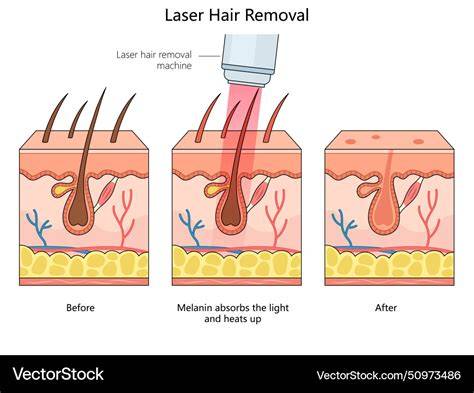
For readers seeking deeper understanding, consider supplementary visuals showing how melanin absorbs light and converts it to heat, and a schematic of hair growth cycles that explains why multiple sessions are needed.
How Does Laser Hair Removal Work?
The following notes summarize key considerations from the overview: absolute contraindications include active infections, open wounds, or conditions where laser is unsafe; relative contraindications require tailored planning and possibly postponement; always disclose medications and health conditions to your clinician; ensure post-treatment care to minimize risks; maintenance sessions help sustain hair reduction over time.
| Factor | Impact on Treatment |
|---|---|
| Hair color and skin contrast | Higher contrast improves efficacy; blonde/gray/red hair less responsive |
| Skin type (Fitzpatrick scale) | Informs laser selection and settings to minimize burns and pigmentation changes |
| Medications | Photosensitizing drugs increase risk; may require hold or modification |
| Active skin conditions | Contraindicates treatment until resolved |
| Sun exposure | Recent tanning increases risk; wait before starting or continue with caution |
Before booking, consult a qualified clinician to review your medical history, medications, and skin/hair type. Transparent communication and adherence to contraindications contribute to safer, more effective outcomes.
tags: #laser #hair #removal #contraindications