Hair Color Chart: Find your Level, Tone and Perfect ShadeFinding your shade comes down to two things: first, assess your natural level, the color that grows at the roots, and color-treated level, the color on mid-lengths and ends if you currently color your hair. Then, decide on the level and tone you want to end up with. Level is how light or dark a color is on a scale of 2 to 10. Tone is whether it reads warm, cool, or neutral. This page teaches you to read both so you can find your shade on any hair color chart. And if you would rather be matched, Madison Reed gives you four free ways: the Color Quiz, our Virtual Try On, Madi Virtual Concierge, or a consultation with a licensed colorist.
The Meaning of Level and Tone
The level is the number, from 2 (black) to 10 (light blonde). Madison Reed hair color covers the full range. The tone is the letter. It decides whether your color reads warm, cool, or neutral. Rather be matched? Take the Color Quiz, see a shade on yourself with Virtual Try On, ask Madi, or book a free colorist consultation. All four are free and backed by a licensed colorist.
Reading the Code: What the Numbers and Letters Mean
What do the numbers and letters on hair color mean? The number shown is the level, which represents how dark or light the color is. The letters are the tone - the underlying hues mixed into that shade, which determine whether your result reads warm, cool, or neutral. Fun fact: every natural hair color is some combination of black, brown, yellow, and red. The yellow and red pigments in your hair are responsible for the underlying tone. Most shades contain more than one letter: the first is the primary tone, the second and third letters are the undertones refining the result to create the final shade.
N is neutral. A balanced base with no push toward warm or cool. This is the predominant tone that covers gray. A is ash Cool and smoky. Cancels orange, so it keeps brass in check. V is violet. Cool. Cancels yellow, which is why it works on blondes. G is gold. Warm. Adds warmth without going orange. C is copper. Warm and bright. R is red. Warm. True red. M is mahogany. A mix of cool and warm. Adds red with brown depth.
Tip for gray coverage: a permanent shade needs N in the formula to cover gray, so if there is no N in the code, that shade is not made to cover gray. A double and triple dose of N pigment is what makes our Knockout shades - an NNA or NNN code - strong enough for the most resistant grays.
Read the code left to right: Vesuvius Red (7NCR) is a level 7 light copper red with gray coverage. The predominant N tone tells you it covers gray, followed by copper and red to give you an overall warm result.
Determining Your Starting Level
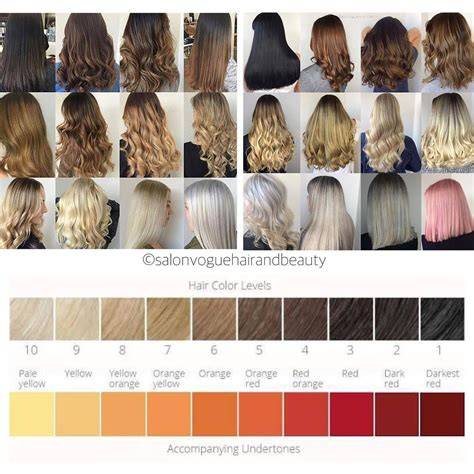
Not sure what level you are starting from? Here is how to tell what level your hair is. How do hair color levels work? Levels read dark to light. Madison Reed hair color runs from level 2, our deepest black, to level 10, light blonde. We follow the International Color Chart (ICC), the numbering most professional colorists use, but brands do vary - so always check how a brand levels its own shades before you assume a 6 here is a 6 there. Levels 2 to 4: black through darkest brown. Levels 5 to 7: dark brown through light brown. Levels 8 to 10: dark blonde through light blonde. Your starting level is your natural level - the color growing out of your scalp. If you color at a salon or your hair is currently colored, you will also look at your color-treated level, through the mid-lengths and ends. It is important to know the difference since your natural color takes color differently than color-treated hair.
What Your Color Can and Cannot Lift
Permanent color lifts (lightens) your natural shade up to two levels lighter. Permanent color cannot lift hair that is already colored. The general rule is: “color cannot lift color.” Demi-permanent color does not lift at all. It deposits level and tone, so it will darken or enhance, never lighten. Going darker at home is the easier move: you are adding pigment, and the result is more predictable. Going lighter is a bit more involved, because lifting exposes the warm pigment underneath - and if your starting level is too dark for the shade you are using, your roots can lift brighter and more orange than your lengths. Here is how to avoid hot roots.
Warm, Cool, or Neutral: Choosing the Right Tone
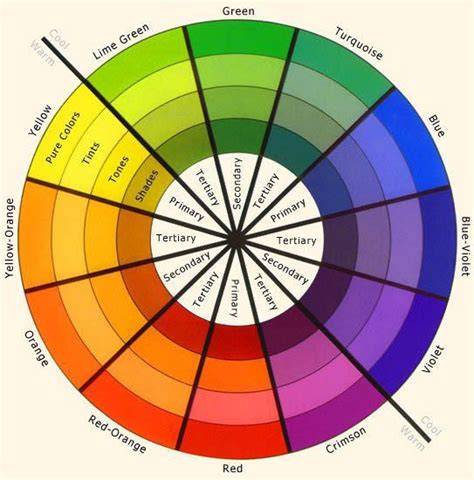
Colorists use the hair color wheel to decide which tone cancels which: cool tones neutralize warm tones, and warm tones counteract cool tones. If you are coloring your hair lighter, warm tones are naturally exposed, since that is the underlying pigment that lives in hair, so we recommend a cool tone for more neutral results. Otherwise, let your complexion be your guide: warm tones add color, cool tones reduce the look of redness. And when in doubt, you can always opt for a neutral. Warm tones (gold, copper, red, mahogany) add color and richness, and flatter warm complexions. Cool tones (ash, violet) reduce the look of redness and keep brass in check. Neutral tones sit between the two - the safe pick when you are not sure.
Finding the Best Shade for Your Skin Tone
Your undertone decides how a shade reads on you, and the simplest starting point is to match it: cool shades tend to flatter cool undertones, warm shades warm undertones. It is a guide, not a rule - plenty of guests wear the opposite beautifully, and high contrast can be striking. The jewelry test and the white fabric test help you determine undertone: silver flatters cool undertones, gold flatters warm undertones. If both look nice on you, you are likely neutral. Hold pure white and cream next to you in natural light. If pure white brightens your skin you lean cool; if cream looks better, you lean warm.
How to Find the Best Shade for You: Process Overview
Now that you know your level and your tone, browse every shade of our permanent hair color. The chart runs from dark levels to light, and each swatch carries its shade code - so once you have found your level, read the letters to find the tone you want.
Four Ways to Match Your Shade Before You Color
- Take the Color Quiz for a recommendation in two minutes. We will ask a few questions to understand the hair color you would like, your current hair color, and any hair concerns you may have. Then the Madison Reed Color Quiz recommends your perfect shade, matched by our licensed colorists.
- See it on yourself with Virtual Try On Tool. Upload a selfie or try shades on live through your phone camera to compare tones on your own hair.
- Ask Madi, our Virtual Concierge, to compare shades for you. Tell her your current color, desired tone, level, and gray coverage needs, and she will point you to the shade that fits.
- Get a free color consultation with a licensed colorist. Visit one of our 95+ Hair Color Bars nationwide for 1:1 advice.
What if I choose the wrong shade? Your first box is covered by our 100% Money Back Guarantee. If you are not happy with your color, contact our Color Crew within 60 days of your first hair color purchase and we will refund it. See guarantee details.
Popular Red Shades on the Chart
- Roma Blonde (10NVA) - smoky blonde with cool undertones; great for blending grays and pairing with cool skin tones.
- Pisa Blonde (9NA) - medium beige blonde with ashier undertones for superior gray coverage.
- Portofino Red (6NRR) - true medium red with a double dose of red for natural auburn results.
- Trieste Red (5NRM) - deepest red, cool with mahogany undertones for chocolate cherry results.
- Torino Brown (5NA) - deep brown to smoky red-balanced shade with gray coverage.
- Palermo Black (3NVV) - rich black with violet hints for cool skin tones and dramatic contrast.
- Vesuvius Red (7NCR) - level 7 copper red with gray coverage and predominant N tone.
Red hair color is high-impact and fades faster than other shades due to pigment behavior. With proper care, you can prolong vibrancy by using color-safe products and reducing wash frequency. Temporary red tints, color-test options, and subtle red streaks are practical ways to experiment before committing to a long-term shade. Copper highlights, color-refresh routines, and a thoughtful shade map help keep red hair vibrant across seasons.
Care and Maintenance for Level 7 Red Shades
Red hair colors are known to fade quickly; consider a Custom Ends Refresher in your Color Plan to maintain vibrancy. For longevity, use color-safe shampoos and conditioners designed for color-treated hair, wash with lukewarm water, and minimize heat styling with a heat protectant like a bond-repair serum. When roots grow in, consider touch-ups with a root product such as a vibrantly red-toned cover-up to maintain a seamless look between sessions.
Notable Color Pairings and Visual Guides
Red shades pair well with cool or warm undertones depending on the level, and certain reds flatter specific complexions. For instance, a dark auburn can suit warm or neutral tones, while deep crimson with violet undertones flatters cool skin. For a dramatic but wearable look, scarlet red or burgundy options provide rich depth with varying undertones. A pink money piece on a red base creates a modern two-tone effect that remains flattering across many skin tones.
How to Choose the RIGHT Red Hair Color based on your Color Season
Additional Shade Ideas and Descriptions
Red hair color ideas include: bright copper, strawberry blonde blends, warm mahogany, cherry red with cool undertones, espresso-brown with red highlights, and rose-gold variations for lighter foundations. Each shade has its own undertone balance to suit different skin tones and eye colors. When planning a red journey, discuss desired vibrancy and undertone balance with your colorist to tailor a shade that looks inherently like “you.”