Light brown discharge or spotting between periods can be concerning, but it’s not always a sign of something serious. This article compiles the most common reasons for mid-cycle bleeding, how to tell when it’s normal, and when to seek medical advice.
What is mid-cycle spotting?
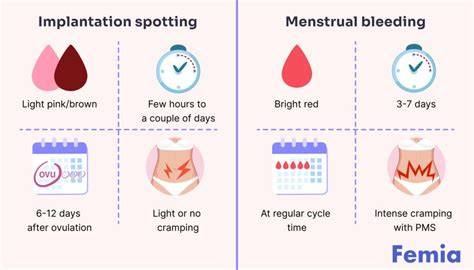
Mid-cycle spotting is bleeding that occurs outside of your menstrual period. It’s also known as mid-cycle bleeding, abnormal uterine bleeding, intermenstrual bleeding, or metrorrhagia. There are numerous causes, as you’ll see below. Blood from your menstrual period will typically be bright to dark red and heavier, lasting several days, while mid-cycle spotting tends to be light pink or red, or even dark brown, with only a small amount and short duration.
Common causes of spotting outside of your period
- Implantation bleeding - If you’re trying to get pregnant, implantation bleeding occurs when a fertilized egg attaches to your uterus lining. Up to a third of women experience this symptom of early pregnancy. It’s light pink or dark brown and occurs a few days before your next scheduled period. If other early pregnancy symptoms appear, consider taking a pregnancy test.
- Ovulation spotting - About 5% of women experience mid-cycle spotting in the middle of their cycles. Blood is pink or light red, and the bleeding is light, lasting a day or two.
- Sexual intercourse - The cervix is more sensitive around ovulation; light bleeding can occur after intercourse or during ovulation due to mild cervical irritation.
- Sexually transmitted infections (STIs) - Bleeding after intercourse can signal an STI such as chlamydia or gonorrhea. Untreated STIs can lead to pelvic inflammatory disease (PID), another cause of mid-cycle spotting. STI testing is important if symptoms are present.
- Birth control methods - Hormonal contraceptives can cause spotting, especially in the first months after starting. An intrauterine device (IUD) may also cause spotting if placement is in question.
- Lifestyle factors - Excessive exercise or poor nutrition can contribute to mid-cycle spotting in some cases. Addressing physical and mental health with your doctor can help.
- Hormonal imbalances and related conditions - The hypothalamic-pituitary-ovarian (HPO) axis governs the menstrual cycle. Disruptions are linked to endometriosis, PCOS, thyroid disorders, luteal phase defects, fibroids, and ovarian cysts. If you have irregular periods with spotting, a clinician can test hormone levels and investigate underlying causes.
- Uterine fibroids and polyps - Benign growths in the uterus can cause irregular or intermenstrual bleeding. Fibroids or polyps may require surgical removal if necessary.
- Cervical issues - Conditions affecting the cervix, including cervical entropion or cervical fibroids, can cause mid-cycle bleeding. Cervical cancer is rare but a Pap smear helps screen for precancerous changes or cancer.
- Ovarian cyst rupture - A sudden sharp pain with slight bleeding around ovulation may indicate a ruptured ovarian cyst. Seek urgent care if pain is severe or accompanied by other alarming symptoms.
What to do if you have mid-cycle spotting
Track the spotting to help your clinician understand it. Use a health app or a simple note to record:
- The day of your cycle when spotting occurs
- How long it lasts
- Color and consistency
- The amount of blood and any related symptoms
Spotting is often benign, but it can signal a condition that needs treatment. If bleeding is heavy, lasts several days, or comes with pain, fever, or unusual discharge, contact a healthcare provider promptly. If pregnancy is possible and you notice implantation-like bleeding, consider taking a home pregnancy test and consult your clinician for confirmation and guidance on next steps.
Frequently asked questions
- What causes mid-cycle spotting? A wide range of factors including ovulation, implantation, hormonal imbalances, birth control, or conditions like fibroids or cysts.
- Is mid-cycle spotting a sign of pregnancy? Sometimes it can be implantation bleeding, but not all spotting indicates pregnancy. If pregnancy is suspected, testing is recommended.
- When should I be concerned about spotting between periods? Reach out to a doctor if spotting is heavy, lasts several days, or is accompanied by pain, nausea, or unusual discharge.
Related considerations and conditions linked to brown discharge
Brown discharge between periods or at other times can stem from old blood taking longer to leave the uterus, hormonal fluctuations, perimenopause, or use of hormonal contraception. Infections (including STIs), pelvic inflammatory disease, endometriosis, PCOS, and cervical or uterine conditions can also cause brown spotting. If brown discharge persists, recurs, or is accompanied by pain, foul odor, itching, or fever, seek medical evaluation.
When to seek urgent care
Immediate medical attention is warranted for:
- Sharp, severe abdominal or pelvic pain with bleeding
- Bleeding after pregnancy loss or signs of miscarriage
- Bleeding with fainting, dizziness, or heavy clots
- Bleeding after a sexual assault or after a foreign object insertion that could indicate infection
Notes on management and treatment
Treatment decisions depend on the underlying cause. Hormonal therapy may help regulate cycles, while addressing specific conditions like fibroids or infections may involve medical or surgical approaches. If you’re considering pregnancy, a clinician can advise on how mid-cycle spotting might impact fertility and pregnancy planning.
The Menstrual Cycle Explained: A Guide to the 4 Phases & Hormones
If you’re seeking personalized evaluation or fertility guidance, a gynecologist or fertility specialist can perform tests, review medical history, and tailor a plan. For patients in need, clinics offer consultations and, where appropriate, non-surgical treatments for fibroid-related symptoms.