Paraffin wax is a colorless solid that comes from petroleum, coal or oil shale. Known for its low melting temperature, high heat capacity and moisturizing attributes, paraffin wax is commonly used in personal care, cosmetic, and animal care products. Paraffin wax was discovered in the 19th century as a byproduct of petroleum refining. During the distillation of crude oil, a waxy substance separated and solidified upon cooling.
Paraffin wax is defined by its straight chain of saturated hydrocarbons-an impressive molecular arrangement that gives the wax a uniform, predictable structure. These properties allow for easy handling, blending, and application. Paraffin wax moisturizes the skin without causing adverse effects due to its uniform structure and non-toxicity. Acting as an occlusive, paraffin wax also forms a protective barrier on the skin’s surface, locking in moisture and preventing water loss. Paraffin is an emollient, which means it fills the gaps between skin cells to soften and smooth the skin.
Paraffin wax is a phase change material (PCM), meaning it absorbs and releases a significant amount of latent heat during its transition between physical states. When heated, paraffin wax absorbs heat as it changes from a solid to a liquid, storing this heat within the wax. Paraffin wax’s low melting point allows it to be safely heated to a low temperature in therapeutic settings. When applied to the skin, the wax solidifies and releases the stored heat slowly and evenly.
Another benefit of paraffin wax is its versatility, which stems from its unique physical and chemical properties. The uniformity of its structure also ensures that it can blend seamlessly with other ingredients, providing stability in formulations.
Moisturizing: One of the primary uses of paraffin wax in personal care and cosmetics is to moisturize and soften the skin, making it an essential ingredient in lotions, creams, and balms designed for hydration.
Skin Barrier Protection: Paraffin wax serves as a protective skin barrier in addition to moisturizing. Lip balms, hand creams and barrier creams rely on paraffin wax to protect against external elements while sealing in moisture.
Thickening: Paraffin wax is also used as a thickening agent, providing desirable textures to creams and lotions.
Soothing: Beyond cosmetic applications, paraffin wax is a staple in spa and therapeutic settings, where its soothing and hydrating properties revitalize the skin.
Protective Coating: One primary application is as a protective coating for animals. Moisturizing: Beyond its protective function, paraffin wax is also used as a moisturizer. Much like in human skincare, paraffin wax softens rough patches of skin, sealing in moisture. It is commonly included in grooming products like shampoos and conditioners to enhance coat conditioning, minimize tangling, and reduce matting.
Veterinary Applications: Paraffin wax also plays a vital role in veterinary settings. It is often found in therapeutic balms and ointments used to treat minor cuts, abrasions or burns. Sourcing high-quality paraffin wax is crucial to the efficacy and safety of all the aforementioned products. For instance, using impure formulations in a wax bath poses the risk of burns or discomfort due to inconsistent melting points. Brands can deliver safe, effective personal care, cosmetic, and animal care products by sourcing high-quality paraffin wax.
Paraffin wax is an indispensable material. Paraffin is a type of white wax that helps smooth and soften skin as well as provide occlusive properties. Derived from petroleum and highly purified for use in cosmetics, paraffin is supplied as a solid (saturated) mixture of hydrocarbons, which are chemicals made up of only hydrogen and carbon (hence, “hydrocarbon”). A broad range of cosmetic ingredients are hydrocarbons, including the alkanes, alkenes, alkynes, natural waxes such as beeswax and plant oils such as those from palm, sunflower and coconut. Although its starting point is natural, paraffin is considered synthetic due to the processing it undergoes prior to its use in cosmetics. Paraffin is considered safe and non-toxic as used in cosmetics, including products such as those for lips where some ingestion is possible.
Note: newer research has shown that paraffin isn’t good at restoring skin’s barrier, which makes sense given it sits on skin’s surface due to its large size and, unlike ceramides and cholesterol, isn’t naturally found in skin.
What is Paraffin Wax and How Is It Used?
A white or colorless soft solid wax derived from petroleum, coal, or oil shale. The actual number on the market is likely much higher, as our database covers major brands but not every product available. Is Paraffin Wax more dangerous in lip balm than other products? Risk depends on exposure route and frequency. Lip Balm products are applied directly to the lips, where ingredients are ingested through eating and drinking. Mild concern due to cumulative petroleum-derived compound exposure.
Alternatives to Paraffin Wax in Lip Balms
What is a safe alternative to lip balm with Paraffin Wax? Look for lip balm products that use beeswax, candelilla wax, carnauba wax instead of Paraffin Wax. Numbrrrz lip balm uses only organic, food-grade ingredients and contains zero flagged chemicals. Paraffin Wax-Free Lip Balm Exists. Numbrrrz lip balm is made with only four organic, food-grade ingredients. No Paraffin Wax.
- Beeswax-based balms for natural occlusion and mild thickness.
- Candelilla or carnauba wax for plant-derived textural properties.
- Other natural emollients such as plant oils and esters to provide glide and moisture.
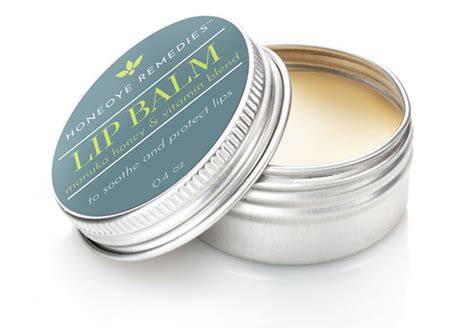
Comparing Beeswax and Candelilla wax for Lip Balm (Vegan vs Non Vegan)
When choosing lip balms, consider the source and purity of ingredients to ensure safety and tolerability. Sourcing high-quality ingredients helps ensure formulation stability, consistent melting behavior, and safe use that minimizes irritation or burns during application.