The lobed comb jelly Mnemiopsis leidyi is a voracious carnivore with a distinctive eight-band ciliated body and two retractable feeding lobes flanking the mouth. The mantle is translucent and often colorfully iridescent as the moving cilia refract ambient light into the colors of the rainbow, creating bright fluorescent stripes on the body. Externally the animal has eight longitudinal rows or bands of cilia that divide the body into eight symmetrical shapes and also give it the ability to slowly move through the water. The vertical cross section of the comb jelly is bell shaped with the lower margin of the oral lobes forming the rim of the bell, and the mouth is positioned where the bell clapper might be. Internally the visible structures are primarily the gonads and the digestive system. There are two fine, filamentous lobes on either side of the mouth used for feeding that can be retracted into the body.
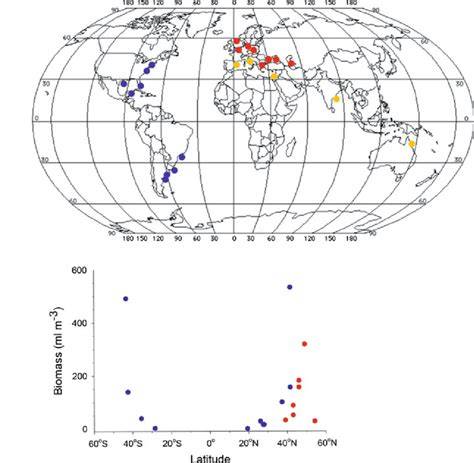
Mnemiopsis leidyi has a broad geographic footprint. It is endemic to the east coasts of North and South America from the Canadian Maritime Provinces to the southern tip of South America. It can also be found in the open ocean long distances from land and in brackish waters that are low in oxygen and high in pollution. The species generally prefers coastal saltwater habitats in bays and estuarine locations but is tolerant of a wide range of salinity (3% to 39%), temperature (4.0 to 31.0 C / 39.2 to 87.8 F), and water quality conditions. Its presence in brackish environments and variable conditions underscores its ecological versatility.
In terms of size, the maximum length of Mnemiopsis leidyi generally ranges between 100-120 mm (3.9-4.7 in), with larger specimens reported from the Caspian and Black Seas. The eight-ciliated bands enable a degree of locomotion and vertical positioning in the water column, while the two long feeding lobes aid in prey capture. Feeding occurs through a suction-like mechanism where water is pumped into the body cavity and prey are trapped on adhesive cells (colloblasts) on the tentacles and the inside surfaces of the lobes; the food is then transferred to the mouth for ingestion. Large prey are captured by swimming with lobes out-stretched, then snapping them closed to trap the meal.
The diet is broad and includes zooplankton such as eggs and larval forms of various invertebrates and fishes, juvenile fish, copepods, other jellies, and even other ctenophores. Mnemiopsis leidyi is capable of self fertilization as a simultaneous hermaphrodite and free-spawning; spawning primarily happens in summer and varies with habitat conditions. Eggs and sperm are often broadcast into the water column where fertilization takes place, and the resulting larvae develop rapidly-fully formed in about 20 hours. Hatching larvae are 0.3-0.4 mm long, and sexual maturity can occur within two weeks after hatching, with some individuals beginning to produce eggs even sooner. Spawning in the Caspian Sea occurs at night and can yield 2,000-3,000 eggs per day depending on food availability.
Natural predators include several species of fishes, some sea jellies, and even other ctenophores, but population regulation is generally weak. Mnemiopsis leidyi is infamous for dramatic ecological impacts following introductions. The unintentional introduction into the Caspian Sea had a catastrophic effect on the ecosystem; decades later, its arrival in the Baltic Sea devastated anchovy fisheries, and subsequent introductions across Europe caused substantial hardships in local fisheries. Large populations of voracious comb jellies substantially reduce the volume of fish eggs and larvae and diminish other planktonic forms that the developing animals require for food, contributing to declines in fish populations and related industries. In some cases the populations of fishes and dolphins have crashed as a consequence of these trophic cascades, leading to severe declines in harvestable fish and associated fisheries revenue.
The species has demonstrated remarkable tolerance to a broad range of environmental conditions, including water temperature and salinity, and climate change is unlikely to provide a straightforward mitigation for its population dynamics. The spread pathways are strongly linked to ballast water discharge from ships: historical introductions include the Black Sea in 1982, the Caspian Sea in 1999, the western coast of Sweden and the southern Baltic Sea in 2006, and the northern Baltic Sea in 2007. These invasion events underscore the jelly’s capacity for rapid range expansion and ecological disruption across disparate marine systems.
Invasive populations have expanded along the western coasts of Europe and into the Baltic and Marmara regions, highlighting the need for vigilant ballast water management and ecosystem monitoring. Understanding the biology and invasion history of Mnemiopsis leidyi is essential for fisheries management and biodiversity conservation, as the species’ feeding strategy, rapid reproduction, and broad environmental tolerance enable it to outcompete native plankton communities and reshape marine food webs. The species serves as a stark example of how a single voracious predator can cascade through marine ecosystems, altering species composition, prey availability, and commercial fisheries.
Key features and life cycle at a glance
- Distinct eight-band ciliary rows and two retractable feeding lobes
- Translucent, iridescent body with bright color displays due to light refraction
- Bell-shaped body with oral lobes forming the rim of the bell
- Broad diet: eggs, larvae, copepods, jellies, other ctenophores, juvenile fishes
- Free-spawning simultaneous hermaphrodite; rapid larval development
- Ballast water as a major vector for range expansion
- Endemic range: east coasts of the Americas
- Invasive range: Black Sea, Azov, Aegean and Marmara Seas, western Sweden, southern and northern Baltic Sea
- Environmental tolerance: wide salinity (3-39%), temperature (4-31 C), polluted/brackish waters
- Impact: suppression of fish eggs/larvae, declines in fisheries, trophic disruption
- Control: ballast water management and ecosystem monitoring are critical