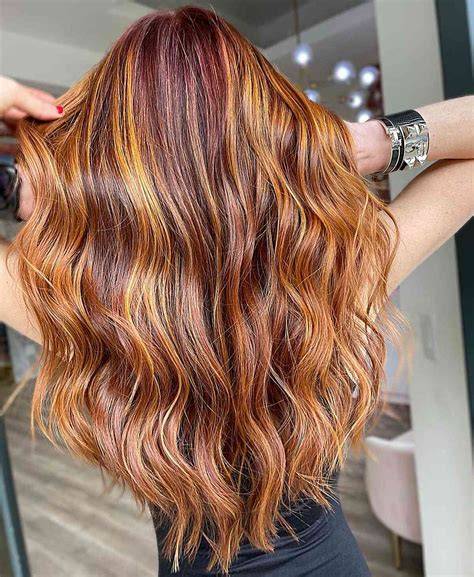
Red hair color with highlights and lowlights creates a multi-dimensional, modern, and sophisticated look. Whether you opt for high-contrast or sun-kissed subtlety, the right mix of tones can elevate your entire appearance and spot your fresh look on social feeds.
The Basics: Why Red Hair Benefits from Highlights and Lowlights
Red hair color has always been a head-turner, owing to its bold and vibrant appeal. Red hair color with highlights and lowlights can add brightness, depth, and texture, framing the face while enhancing natural variation. Highlights are lighter sections that provide sun-kissed brightness, and lowlights are darker strands that deepen tone for a richer, more dimensional finish.
Key Concepts for Red Hair with Highlights and Lowlights
What are Highlights and Lowlights? Highlights are lighter sections of hair that add brightness and dimension. They are often used to frame the face and provide a sun-kissed look. Lowlights add depth and a more natural, multi-tonal appearance to the hair. The combination creates a textured, vibrant look that mimics natural variation in red shades.
Choosing the Right Highlight Shades. Common highlight shades include blonde, lighter reds, and copper. For instance, a copper base with blonde highlights yields a warm, sun-kissed look, especially for summer. Balayage offers a soft, natural transition, while foil highlights provide a more defined, bold appearance for drama or contrast.
Achieving Depth with Lowlights. Lowlights add depth and richness and are woven into the hair in darker shades like brown red or deep red to create a nuanced, textured appearance. The technique (weaving, slicing, or face-framing placements) influences the final effect and maintenance needs.
Highlighting Techniques. Balayage creates a natural transition and glow, while foil highlights emphasize a more precise pattern or vivid contrast. The technique chosen should align with hair type, desired brightness, and maintenance willingness.
Mixing Highlights and Lowlights. The interplay between highlights and lowlights brings vibrant depth to red hair. Balancing lighter and darker shades around the base red color yields a cohesive, multi-dimensional look. This balance supports adaptability across styles, from casual to formal.
Popular Color Pairings and Styles for Red Hair Highlights
- High-contrast dark red base with money pieces for bold framing around the face.
- Brick red with glossy money piece for a luxe, polished finish.
- Wine red with highlights for a deep, sophisticated depth.
- Crimson fade to peach for a sunset-inspired gradient.
- Red with purplish ends for a rich, jewel-toned effect.
- Roasted ginger on shoulder-length hair for a warm, seasonal feel.
- Lush copper brown with peachy streaks for a sunlit glow.
- Dimensional dark hair with red highlights to boost texture and movement.
- Burgundy red with reddish-blonde highlights for a dynamic mix.
- Orange-red with highlights and lowlights for fiery dimension.
Additional ideas include silky red hair with brown lowlights for a natural depth, muted red-brown with soft highlights, and a 3D brown-to-red color melt for seamless transition. For a vivid, eye-popping look, consider eye-popping fire red with strategic highlights, or auburn with copper accents for warmth and glow. The palette also accommodates balyage styles such as pumpkin spice balayage on brown-burgundy bases, copper meets honey blonde, and burnt orange framed with amber for autumn-ready vibes.
Highlights around the face can instantly brighten features, while strategic lowlights add contour. Color-on-color red techniques emphasize harmony across the spectrum of red shades. Face-framing face-lighting highlights, peek-a-boo panels underneath the top layer, and subtle babylights can all contribute to a modern, dimensional look without overpowering natural beauty.
Texture, Maintenance, and Skin Tone Considerations
Red hair suits a wide range of skin tones but requires mindful shade selection. Olive and cool undertones respond well to deeper burgundy and wine hues with cool lowlights, while warmer complexions glow with copper, amber, or strawberry blonde accents. For natural redheads, lighter face-framing highlights may enhance brightness without sacrificing depth. The key is balance: avoid extreme changes that outpace your base color and lifestyle.
Practical Tips for Achieving the Look
- Start with a professional color consultation to map your ideal base, highlight level, and lowlight balance.
- Choose balayage for a softer, more natural blend, or foil highlights for defined, bold accents.
- Consider a peek-a-boo highlight for a daring but easily reversible style.
- Use color-safe, color-keeping products to maintain vibrancy and prevent fading.
- Schedule regular toning sessions to preserve the desired red hue and prevent brassy tones.
Inspiration Gallery Notes
Amber ends with cinnamon roots blended into amber-tinted ends create a natural, dimensional look. Beachy blends on auburn locks, honey-toned highlights, fiery copper tints, and sun-kissed ginger strands illustrate how versatile red with highlights can be. These ideas demonstrate the range from subtle, face-framing lightness to bold, full-head color with vivid contrast.
Balayage remains a favored technique for a low-maintenance yet dimensional finish, while high-contrast red with standout money pieces offers a striking, editorial-ready result. For those seeking a dramatic change, cherry red or burgundy red paired with lighter highlights or darker lowlights delivers maximum impact, while still allowing for monthly maintenance adjustments.
How to pick (and care for) the right red hair colour for you
Ultimately, red hair with highlights and lowlights is about tailoring brightness, depth, and warmth to your skin tone, eye color, and personal style. The right combination creates depth, brings out natural variation, and ensures your red locks stay vibrant and flattering across seasons.