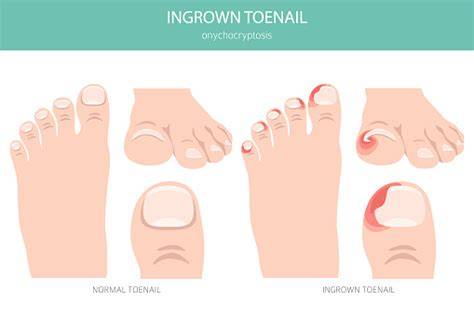
An ingrown toenail is a condition where a piece of the nail has started to grow into the skin surrounding the nail plate. This piece of nail is often referred to as a nail spicule. The spicule can cause pain, inflammation, and sometimes infection as it presses against or pierces the surrounding tissue.
What is a nail spicule and how does it form?
The nail spicule grows with the nail plate and may push on the surrounding tissue in the primary stage, initiating pain. If left untreated, the spicule may puncture the skin and create a portal of entry for pathogens, leading to infection. Sometimes the nail does not penetrate the skin but causes callus or corn formation down the groove of the nail. Causes include poor nail cutting, cutting corners to create a spicule, and pressure from footwear.
Key contributing factors
- Poor nail trimming: cutting down into the corners leaving a sharp edge or spicule
- Bad-fitting shoes or pressure from footwear, especially short or tight-toed shoes
- Trauma to the nail, including heavy objects dropped on the foot
- Genetic predisposition and hereditary nail shape
- Nail shape variations, such as pincered or curved nails
Clinical progression: from spicule to infection
Stage 1: The nail spicule grows and may press on surrounding skin, causing pain and potential skin changes. Stage 2: The spicule may puncture the skin, allowing pathogens to enter and triggering an immune response, which can lead to pus and inflammation. Stage 3: When infection is established, the toe becomes red, hot, swollen, and painful, often with persistent discharge. Early stages may present only with tenderness without obvious infection.
Diagnosis and assessment
Diagnosis is usually clinical, based on history and examination of the toe. Assessments consider inflammation or infection around the nail, whether the periungual tissues extend over the lateral part of the nail, and whether differential diagnoses such as trauma, paronychia, or cellulitis are possible. Imaging is not typically required unless there is concern for deeper infection or complications.
Treatment overview: goals and approaches
The main treatment goal is to remove the nail spicule and address any infection. Treatment is tailored to the severity and may include local anesthesia, nail spicule removal, partial nail avulsion, and chemical matricectomy to prevent recurrence. Prevention is vital to deter recurrence and typically involves education on nail trimming, footwear choices, and nail care techniques. In recurrent or severe cases, surgical permanent removal of part or all of the nail may be considered.
Procedural approaches and details
At specialized clinics, the procedure may involve:
- Administering a local anesthetic (freezing) to numb the toe
- Removing the nail spicule by elevating the edge, cutting longitudinally to separate the spicule from the nail plate, and removing debris from the nail fold
- Controlling bleeding with silver nitrate and addressing any abscesses by drainage and irrigation
- Applying chemical matricectomy (commonly with phenol) to cauterize the ectopic matrix and prevent regrowth
- Postoperative dressing with antimicrobial ointment and clear instructions for care
When removing the spicule or performing a partial nail avulsion, care must be taken to protect the germinal matrix under the cuticle to prevent future regrowth issues. Postoperative care includes soaking the toe, dressing changes, and limiting harsh chemicals. Patients should wear less constricting shoes and trim nails straight across to reduce recurrence risk.
Prevention and long-term care
Prevention focuses on nail trimming straight across, avoiding rounding the corners, and ensuring footwear does not apply excessive pressure to the toes. Education on nail care, footwear selection, and proper trimming techniques is essential. Regular follow-ups may be recommended to monitor healing and detect any early signs of recurrence.
Intraregulatory considerations and outcomes
Recurrence after surgical treatment can occur, with reported rates varying, particularly with incomplete matricectomy. Optimal outcomes rely on a thorough understanding of nail anatomy, including the lateral horns of the nail matrix, and precise surgical technique. When performed by trained professionals, nail spicule removal and matrix cauterization can yield good cosmetic and functional results with complete re-epithelialization typically within weeks and full healing over several weeks to a few months.
Illustrative notes from clinical cases
Clinical reports describe cases where lateral nail spicules developed after improper or inadequate ingrown toenail surgeries. Spiculectomy with chemical matricectomy has been used with good results, though recurrence may occur and may require repeat procedures. These notes emphasize preventing spicule formation by addressing the lateral horn of the matrix and performing complete removal of the offending tissue to avoid iatrogenic spicules.
Practical tips for patients
- Cut nails straight across and avoid curvature or cutting too short.
- Choose well-fitting shoes with adequate toe box space to reduce pressure on the great toe.
- Seek professional evaluation early if you notice persistent tenderness, redness, or swelling near the nail margins.
- Follow postoperative care instructions carefully after any procedure to minimize infection and promote healing.
- If ingrown nails recur, discuss definitive options such as permanent nail removal or corrective procedures with a podiatric specialist.
Infection management may involve antibiotics if bacterial invasion is present. When the toe is numb and the spicule is removed, the procedure can be relatively comfortable, and it is possible to achieve immediate relief with appropriate local anesthesia.