Got yourself an Old English Sheepdog? Lucky you-and wow, what a commitment! These walking cotton balls are absolute sweethearts with personalities bigger than their already-massive frames. Your OES needs regular grooming to stay healthy, comfortable, and (let’s face it) socially acceptable. Do you know that without proper care, an Old English Sheepdog’s coat can mat so severely it becomes painful? We’re talking about mats that pull on the skin with every step. The good news? With the right approach, tools, and a bit of patience, you can keep your furry friend looking like the majestic sheep-herding champion they were born to be.
Old English Sheepdogs don’t just have fur-they have an event. Here’s where things get interesting. While most dogs shed constantly (hello, fur tumbleweeds under the couch), Old English Sheepdogs barely shed at all. Instead, their fur just keeps growing. And growing. That outer coat? Coarse and shaggy, designed to protect working dogs from harsh weather. The undercoat underneath is soft, dense, and basically acts like the world’s fluffiest thermal underwear. The result? A dog that looks like they’re wearing a living, breathing cloud.
Let’s talk about the elephant (or should we say sheep?) in the room: matting. That famous “hair over the eyes” look? It served a purpose when these dogs were herding sheep, protecting their eyes from debris. The thick undercoat is fantastic for keeping them warm in winter but can turn them into a panting mess in summer. Walk into any pet store and you’ll be overwhelmed by grooming tools. A pin brush is your best friend here. It detangles that long coat without causing damage (unlike cheaper brushes that basically rip through fur). But here’s the real game-changer: an undercoat rake. This tool reaches deep into that dense undercoat to remove dead hair before it turns into mats. For the really stubborn tangles, a coat rake with wide-spaced teeth helps break things up.
Dog shampoo specifically made for long-coated breeds is non-negotiable. Regular human shampoo? Don’t even think about it. Here’s a tip we learned the hard way: invest in a good dog dryer or at least some heavy-duty towels. Quality nail clippers designed for large dogs are essential. A grooming table might seem excessive, but your back will thank you after the first few grooming sessions.
Ready to tackle that coat? Here’s the truth bomb: if you’re not brushing daily, you’re setting yourself up for disaster. Start with a slicker brush to remove loose fur, then follow up with a wide-toothed comb to catch anything you missed. For small tangles, use your fingers to gently separate the fur before brushing. For bigger mats, a de-matting tool or mat splitter can help-but be gentle. Line brushing is your secret weapon for thick-coated areas. Part the coat and brush small sections at a time, making sure you reach all layers of fur. Use lukewarm water and work that shampoo through every layer of fur. Pay extra attention to dirty areas (paws, belly, rear end-you know the spots). Rinse until the water runs clear, then rinse some more. After squeezing out excess water (don’t rub-that creates tangles), use towels to blot the fur. A high-velocity dryer on low heat works wonders if you have one. Brush while drying to prevent the coat from drying in tangles. Yes, it’s time-consuming.
Let’s talk cuts. The full coat looks stunning but requires serious commitment. The puppy cut (trimmed to 1-2 inches all over) is popular for good reason-it’s adorable and way more manageable. The lamb cut is a nice compromise: shorter on the body and legs, longer on the head and neck. Grooming isn’t just about looks-it’s about health. Clean those ears weekly with a vet-approved solution. OES ears can trap moisture and debris, leading to infections. Those big paws collect everything from mud to small rocks between the toe pads. Trim the hair between pads regularly to prevent matting and improve traction on smooth floors. Break grooming into shorter sessions if your dog gets stressed. Mix grooming with treats, praise, and short breaks. Regular exercise helps distribute natural oils through their coat, making it healthier and easier to manage.
Old English Sheepdogs have thick, fluffy coats that allow for various styling choices. The full coat is a classic look for Old English Sheepdogs. It keeps the dog’s hair long all over, giving them their iconic fluffy appearance. The Puppy Cut is another popular choice. It involves trimming the coat to about 1-2 inches long all over the body. The Lamb Cut is a mix between the full coat and the Puppy Cut. It keeps the legs and body short while leaving the head and neck hair longer. The Teddy Bear Cut is a cute option for Old English Sheepdogs. It involves trimming the body short and leaving the face round and fluffy. Some owners choose to dye their dog’s coat in fun colors or patterns. Creative clips can shape the dog’s coat into unique designs. Some groomers can create shapes like hearts or stars in the dog’s fur.
Sometimes you need backup, and that’s perfectly okay. Look for groomers with experience handling large, double-coated breeds. Ask about their experience with Old English Sheepdogs specifically. A good groomer will ask about your dog’s temperament, health issues, and your preferences for coat length. Brush your OES before the appointment to remove loose fur and tangles. Bring your dog’s health records. Pack treats to help your dog stay calm. Let the groomer know your preferences for coat length and style. Your groomer isn’t just a service provider-they’re part of your dog’s care team. Be honest about your dog’s behavior and any sensitive areas. Ask for tips on home maintenance between visits.
Living with an Old English Sheepdog means integrating grooming into your daily routine. Brush every single day. Yes, even when you’re tired, running late, or just don’t feel like it. Wipe their face daily with a damp cloth to prevent tear stains and keep the eye area clean. Weekly ear cleaning and regular teeth brushing round out the routine. These dogs need at least 30 minutes to an hour of activity daily. Puzzle toys and training sessions keep their minds occupied and reduce anxiety during grooming. Twice a year-spring and fall-your barely-shedding dog turns into a fur factory. Consider professional grooming at the start of shedding season to remove loose undercoat in bulk. Winter coats need extra attention due to snow, ice, and salt.
Old English Sheepdog owners often have questions about grooming their fluffy companions. A good grooming kit for an Old English Sheepdog includes a slicker brush, metal comb, and detangling spray. Scissors and clippers are useful for trimming. If you’re finding mats you can’t handle, if grooming sessions are becoming battles, or if you’re just feeling overwhelmed, it’s time for professional help. Plan on $75-$150 per session every 6-8 weeks, depending on your location and your dog’s coat condition. Regular brushing helps manage Old English Sheepdog shedding. Brush 2-3 times a week with a slicker brush. Use a de-shedding tool during heavy shedding seasons.
Look, owning an Old English Sheepdog isn’t for everyone. They’re high-maintenance in the grooming department, there’s no getting around that. Remember: a well-groomed OES isn’t just about looks. Need help getting started or feeling overwhelmed by your fluffy friend’s needs? We’re here for you. Schedule a grooming session with us, check out our grooming school, or simply reach out through our contact form. Your OES is counting on you to keep them comfortable and healthy. And trust us, there’s nothing quite like the feeling of running your hands through a perfectly groomed, mat-free coat.
The Old English Sheepdog, as the name suggests, originated from England in the early 1800s. This herding breed earned the nickname “Bobtail” because of the closely docked tail. The Bobtail’s profuse coat, in its natural state, requires considerable maintenance in order to keep him in good condition and free of matting. If unable to keep up regular grooming, brushing, and bathing, the pet may require a shorter, comfort trim that will prevent to the skin shearing. The length can be adapted relevant to the owner’s ability to brush and the frequency of salon visits. A “one length all over” trim is easy to execute and a breeze to maintain for the client.
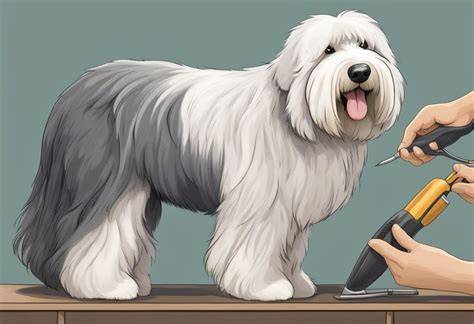
Fig.2) Continue down the back and flanks, and over the rump. Fig.3) Reverse direction and then, starting about mid lower thigh, clip upward over the rump. Only clip the back portion of the leg in reverse. Fig.5) Lift the head and beard, and then clip the throat, neck, and fore chest. Begin clipping just under the jaw and ear base. Fig.6) Lift the front leg and clip down the front and sides of the front legs. Do not clip the back of the front legs. Use a skimming technique as you get closer to the bottom of the leg. Fig.7) Use blenders to shorten and blend the coat on the back portion of the rear legs and to blend the rump and croup onto the back. Fig. Fig. Fig. 10) Tighten up the coat on the upper arm where the arm meets the shoulder. Fig. Fig. Comb the cheek coat outward and then trim with blenders. Secure the dog’s muzzle with your thumb and fingers. Hold the muzzle closed, trim the beard across the bottom and then round upward toward the ear.
It is always unfortunate to be forced to shave a pet all the way to the skin because of severe matting. Of course, we try to recommend frequent salon visits, home brushing, and finally, shorter pet trims to accommodate the coated breeds living with parents unskilled in the fine art of brushing.
tags: #old #english #sheepdog #hairstyles