Most rugs don’t fail suddenly; they unravel slowly. The surprising part? Many area rugs that look beyond saving can actually be repaired. From fringe restoration to fixing snags and faded wool, this guide reveals what rug repair professionals really do and when you can fix the problem yourself.
Handmade rugs rely on warp and weft threads for stability. These internal threads form the skeleton of the rug. Fringe damage is the most common issue seen in area rug repair workshops. Fringe threads carry structural stress, and sun-damaged dyes along with improper cleaning can weaken fibers over time. Vacuum rollers often pull fringe threads loose, exposing the rug’s structural threads. This is where rug repair becomes invaluable.
What fringe replacement and repair involve
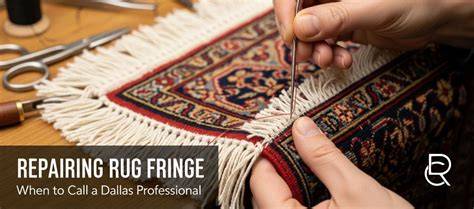
Fringe damage is repaired by professionals who rebuild fringe by re-knotting threads. Edge binding may replace severely damaged fringe. Color matching is critical for antique rugs to preserve authenticity. Fringe replacement can be necessary when a designer rug loses its original tassels due to years of daily life, furniture movement, or exposure to sunlight and spills. In many cases, fringe is structural and cannot be simply trimmed or hidden without compromising integrity.
Small tears and loose fibers must be stabilized early. Do not cut loose fibers; instead, address them so the weave remains stable. Minor tangling can sometimes be prevented by trimming fringes, and gentle tuck-ins can help resecure small loose fibers into the weave. Handwoven rugs require expert restoration, and professional restoration focuses on repairing damaged fibers, stabilizing the weave, and preserving the craftsmanship of the rug.
Fringe replacement options and techniques
Fringes can be replaced with a brand new set. On handmade rugs, fringes are individually threaded into the rug and back on the rug’s edge. Machine-made rugs are often implanted with pre-made fringes. For longevity, longer fringes are more prone to damage, so trimming fringes to about 3 inches on both sides is recommended to reduce future breakage and give the rug a refreshed aesthetic profile.
Preventative care can save substantial repair costs by reinforcing fringes with double knot support. When reinforcement knots are not in place, the rug is highly prone to unraveling and can damage other portions of the rug. Adhesives should be used carefully, and attempts at DIY repairs on structural areas are discouraged. Minor damage on modern rugs can sometimes be handled at home, but structural repairs require professional expertise.
Fringe and rug care for different rug types
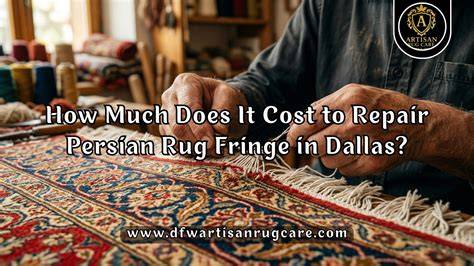
Fringe replacement is a common service for Persian, Oriental, Chinese, Navajo, Shag, and many rugs with fringes. Oriental rug fringe repair is a basic task for seasoned rug repair professionals, with experience typically spanning decades. A critical distinction: fringe on handmade rugs is not merely decorative-it is part of the rug’s structural foundation, tied off from warp threads after weaving. Cutting or shortening fringe on handmade rugs can compromise the rug’s structure and value.
Historic and antique rugs require specialized restoration because colorfastness and fiber integrity are paramount. Dye correction may be necessary to restore color balance after fading due to sun exposure or improper washing. Wool fibers weaken with age, and improper cleaning can strip dyes, making professional restoration essential to preserve value and appearance.
When to seek professional help vs. DIY fixes
Minor damage of any modern rug can sometimes be handled at home. Small loose fibers can sometimes be tucked back into the weave, and fringe trimming can prevent minor tangling. However, when damage appears in structural fibers, weaving, or significant fringe loss, professional restoration is advised. Vacuuming over fringes should be avoided, especially with brush-equipped vacuums, to prevent further damage.
Historic rugs require expert restoration. Replacing a designer rug might seem easier, but authentic, handmade rugs carry the history of a room-footsteps, sunlight, spills, and daily life-that also dictates their care and repair approach.
Industry perspectives and common misconceptions
Fringe is sometimes mistaken for a decorative feature on machine-made rugs; in handmade rugs, it is the structural foundation. Some restorations attempt to replace fringe with machine-applied or “fake” fringe, which can be discerned by feel and pattern; such repairs can harm long-term value and stability. The difference between authentic fringe and artificial replacements is evident in the tension and weaving coherence around the edge.
Professional repair costs vary widely depending on rug type, extent of damage, and required restoration methods. A reputable restoration facility emphasizes craftsmanship, proper color matching, and stable knot structure to maintain value and appearance.
Brand and service perspectives
Well-established rug maintenance facilities emphasize that fringe reinforcement and replacement are integral parts of preserving oriental and handmade rugs. Some providers offer pickup and delivery services, ensuring minimal disruption to your space while professional technicians restore the rug. This approach aligns with the broader goal of preserving the rug’s integrity and history rather than opting for quick, non-structural fixes.
In the context of reputable brands, authentic handmade rugs accumulate a room’s history and require careful attention to preservation standards. Historic and contemporary rugs alike benefit from professional care when fringe integrity and color balance are compromised by wear, sunlight, or improper care.
Practical tips for owners
Every fringe that becomes loose should be addressed promptly to prevent larger abnormalities. If a fringe is severely damaged, replacement by a skilled professional is often the best option to preserve structural integrity and value. For DIY care, avoid cutting or pulling loose fringe; instead, seek professional assessment for stabilization and potential replacement.
Preventive care recommendations include regular inspection of fringes, avoiding vacuum agitation on fringes, and considering trimming fringes to reduce future damage. For those with machine-made rugs, understand that fringe installation may be a cosmetic addition rather than structural; in such cases, repairs focus on stabilizing and matching the existing fringe.
Carpet Fringes! Damaged? Remove or repair Very easy.
Jaipur Rugs, established in 1978 under NK Chaudhary, showcases a heritage of traditional rug-making and emphasizes craftsmanship and customization. This lineage informs modern restoration practices, where preserving the rug’s authentic character remains a priority. While some articles and vendors discuss fringe replacement methods, the core principle remains: protect and stabilize the rug’s foundation to maintain value and beauty.
When damage appears, replacing the designer rug might seem easier, but restoration can preserve the rug’s story and function. For those facing fringe frustrations, choosing a qualified restoration professional ensures structural integrity and long-term aesthetics.
- Assess fringe damage and determine if it is structural or decorative.
- Consult a professional for certainty on repair viability and color matching.
- Consider fringe replacement only if restoration preserves the rug’s integrity and value.
- Follow professional guidance for post-repair care and preventive measures.
tags: #oriental #rug #fringe #replacement