Pulsed laser cleaning uses short bursts of high-energy laser light to remove contaminants from surfaces. I find this method particularly effective because it allows for precise control over the cleaning process. The laser emits energy in rapid pulses, which interact with the contaminants. This interaction causes the contaminants to evaporate or break apart without damaging the underlying material. The operational principles behind pulsed laser cleaning are fascinating. The laser beam focuses on a small area, generating intense heat that causes contaminants to decompose or vaporize. This non-contact method is ideal for delicate surfaces, as it minimizes the risk of thermal damage.
Continuous Wave (CW) laser cleaning operates differently. It emits a constant beam of laser light, which continuously delivers energy to the surface. This method relies on high-temperature burning to clean dirt and other contaminants. The mechanism of action for CW lasers involves a steady flow of energy that heats the contaminants, allowing them to burn away. This process is efficient for heavy-duty cleaning tasks.
Comparing Pulsed and CW Laser Cleaning
Pulsed laser cleaning machines stand out for their unique features. On the other hand, CW laser cleaning machines have their own set of defining features. Both types of laser cleaning machines have their strengths. I find pulsed laser cleaning machines incredibly versatile, making them suitable for various industries.
- Automotive: cleaning weld seams and removing oxidation from aluminum frames.
- Aerospace: removing oxides and weld marks from parts.
- Electronics: cleaning GaN and SiC wafers used in electrical parts and optical glass.
- Railway: descaling railway tracks efficiently.
- Artifact Cleaning: non-destructive cleaning and restoration of wooden and porcelain artifacts, as well as copper structures.
CW laser cleaning machines are also widely used in heavy-duty tasks that require consistent power. Both pulsed and CW machines support diverse applications tailored to different needs. Pulsed laser cleaning machines offer several compelling advantages that make them stand out in the cleaning industry. Precision: this method allows for the removal of contaminants without damaging the underlying material. Environmental impact: laser cleaning is more eco-friendly, aligning with increasing regulations on waste and emissions. Pulsed lasers excel in minimizing substrate damage by delivering concentrated energy bursts, which enhances cleaning efficiency while controlling heat input.
In my experience, while pulsed lasers may have higher initial costs, their precision can lead to long-term savings. Efficiency: CW laser cleaning allows for rapid heating of contaminants, significantly speeding up the cleaning process. Cost-effectiveness: the stable energy output and high temperatures lead to operational cost savings in large-area industrial applications. I’ve noticed that CW lasers excel in cleaning large surfaces continuously, such as rust on industrial machinery or ship hulls.
However, CW lasers have drawbacks to consider. Risk of substrate damage: the potential for damage to sensitive surfaces if settings are misused. High initial investment: cost of purchasing and installing CW systems can be prohibitive for small businesses. Requires skilled setup and operation: specialized training is required to ensure safe and effective use. CW lasers generate more heat, posing a higher risk of thermal damage to delicate surfaces.
Key Considerations When Selecting a Laser Cleaning System
Selecting the right laser cleaning machine can significantly impact cleaning efficiency and effectiveness. I’ve learned that understanding the specific needs of your application is crucial. Different laser cleaning systems suit various materials and contaminants, such as rust or coatings. The choice of power and wavelength should align with the materials and application scenarios. Short pulse durations allow for high-precision cleaning without damaging substrates. The pulse repetition rate affects cleaning speed. An efficient scanning system enhances cleaning speed and uniformity across surfaces. Advanced software allows for parameter adjustments, improving operational flexibility and user experience. Systems that are easier to maintain can lower operating costs and reduce downtime. Reliable after-sales support is crucial for long-term equipment stability. I weigh performance and application needs against the initial investment, as costs can vary significantly. Long-term expenses, including energy efficiency and maintenance, should factor into the overall cost analysis. Evaluating the return on investment helps predict the long-term value the equipment will bring to the business.
Important technical factors include: Laser Power, Wavelength Suitability, Cooling System, and Continuous Cleaning capabilities. CW lasers allow for faster cycles on large surfaces and excel at removing organic matter, which is crucial for hygiene-sensitive industries. Smoke and exhaust production is higher with CW lasers, so proper ventilation is essential. Material and Contaminant Type, and Surface Requirements, also influence the choice of system.
Product Line Highlights: Pulse vs CW Offerings
The SHARK P CL series represents a new generation of pulsed laser cleaners designed for fast, precise, and eco-friendly removal of rust, paint, grease, coatings, and surface contaminants without damaging the underlying material. The PANDA P CL series offers perfectly homogeneous surfaces and improved pulse modulation for both rough and shiny finishes on metallic materials, suitable for sensitive materials such as injection molds and stamping tools. The FOX P CL series provides CW laser cleaning with up to 4000W, designed for heavy-duty cleaning applications like car bodies, bridges, and ship hulls. The FLAMINGO F 7 CL extraction system provides robust dust and fume extraction to enhance safety during operation.
PULSAR Laser emphasizes safety and compliance, investing in third-party testing to exceed regulatory requirements. Their certified packages align with EU Machinery and EMC Directives, EN ISO safety standards, and EN ISO laser safety benchmarks, offering operators confidence in safe, compliant use. The Excalibur P CL series emphasizes straightforward controls suitable for diverse settings from car repair shops to home use, capable of cleaning wood, car bodies, engines, stone, and removing rust, paint, and mold with dust and fume extraction for safe operation.
Choosing the Right Pulse Laser Cleaning Machine: Quick Guide
- Power level: 300W for delicate tasks, 500W for heavier rust and paint removal, up to 1000W for industrial-scale cleaning.
- Pulsed vs Continuous: Pulsed offers precision and minimal thermal impact; CW suits large-scale, thick coating removal.
- Application fit: Match the system to materials like wood, metal, paint, or stone.
- Safety and training: Ensure proper PPE, fume extraction, and operator training.
Frequently Asked Questions
How much does a pulse laser cleaning machine cost? Pricing depends on power, cooling, laser source, and support. Portable 300W units suit small projects, while 500W or higher systems handle commercial cleaning. Dynalasers can recommend the best system for your application.
Do laser cleaning machines really work? Yes. When correctly set, a laser cleaning machine removes rust, paint, and residue. Pulsed laser cleaning is especially effective for delicate surfaces, providing consistent and controlled results.
What is the cost of a laser cleaning machine? Costs vary widely. Compare power, mobility, cleaning speed, warranty, and support. A 300W pulsed machine is suitable for furniture and molds, while 500W units excel for heavy rust and paint stripping.
What are the disadvantages of laser cleaning machines? High initial cost, strict laser safety, smoke and particle management, and slower speed on thick coatings. Dynalasers helps users select between pulsed and continuous systems for optimal cleaning and mobility.
Usage Scenarios and Outcomes
Pulse Wave Laser Cleaning Machines are versatile tools for removing rust, paint, oil stains, oxide films, and other pollutants from metal surfaces, as well as non-metallic substrates like ceramics and glass. These machines are ideal for cleaning welds, removing black ash oxide, and renovating automobile parts. They offer advantages like ultra-light cleaning heads, flexible operation, and full coverage of 100-1000W power. Not sure yet? Ready for a Better Way to Clean? Investing in the right technology should deliver real returns.
Weight: 65 lb, Dimensions: 24 in × 9 in × 17 in, Price: $15,658.00. The Everlast RedSabre line now includes Laser Cleaners, offering a fast, simple, and environmentally friendlier solution to paint, scale, and rust removal. The 200W Pulsed Wave Laser Cleaner can carefully remove paint and descale material with ease without damaging or overheating the subsurface. The pulse action is more forceful than a standard non-pulsed laser cleaner, so less wattage is needed. This model features a compact steel portable case with an easy-to-use detachable touch screen control.
Entertainment vs. Safety: Infographic and Video Aids
CW Laser Cleaning VS. Pulse Laser Cleaning, Which One Should I Choose?
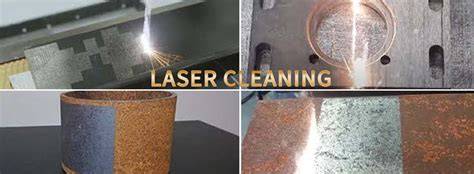
These tools illustrate how pulsed and CW lasers operate, with pulsed systems delivering high-peak power in short durations and CW systems providing continuous energy for rapid surface treatment. The visualizations also show potential smoke management and safety considerations during operation.