Tattoo removal with lasers has advanced considerably, and red ink-once viewed as the most challenging color-now has a clearer, more effective path to fading and elimination. This article collects and reorganizes the material provided to offer a detailed overview of how red tattoos respond to laser treatment, the technologies involved, and best practices for a successful removal experience.
Understanding why red ink presents unique challenges
Red tattoo inks have historically been colored with cinnabar or mercury sulphide, and their adverse reactions were attributed to mercury content. Now, red inks are typically colored with organic agents rather than metallic salts. Red inks are still considered among the most problematic, in part because some warm-hued colorants involve azo dyes, and because pigment composition varies widely by ink brand. Red pigments can contain iron oxide and other components that influence laser interactions and treatment outcomes.
In practice, the simplest inks to remove are black, blue, green, and deep purple, while red sits in a more complex category due to pigment chemistry and how skin responds to the energy delivered by different wavelengths. The mix of pigments in multi-color tattoos further complicates removal, especially when red portions are deeply embedded or dense.
Key factors shaping red ink removal
- Pigment composition: Red inks often include iron oxide or azo dyes, and the exact chemical makeup affects how they absorb laser energy and fragment for clearance.
- Laser wavelength alignment: Effective red ink removal relies on wavelengths that red pigments absorb efficiently. Different lasers deliver different wavelengths, which determine how well red ink is broken into particles the body can expel.
- Ink depth and saturation: Tattoos placed deeper in the dermis or with higher pigment density typically require more sessions for noticeable fading.
- Skin reaction and safety: Red pigments can provoke varying degrees of redness, swelling, or irritation, requiring careful management during and after treatment.
How laser tattoo removal works for red ink
Laser tattoo removal uses high-powered light to target tattoo ink particles embedded in the skin. For red tattoos, the critical element is selecting a wavelength that the red pigment absorbs effectively. The laser energy shatters ink into smaller particles, which the body's immune system then processes and eliminates. Between sessions, the body continues to clear the fragmented ink as healing progresses.
In Denver and other centers, clinics may offer a full spectrum of wavelengths to address multiple colors in a single session, and a careful treatment plan often combines wavelengths to efficiently target red alongside other colors in multi-color tattoos. A typical treatment protocol includes a sequence of sessions spaced weeks apart to optimize ink clearance and skin recovery.
Technologies commonly used for red ink removal
Standard Q-switched lasers with 1064 nm wavelength are effective for black and dark inks but are less effective for red, requiring alternative wavelengths. Red and warm tones respond better to wavelengths such as 532 nm, and picosecond lasers (e.g., PicoSure 532 nm) provide finer fragmentation with less heat diffusion, improving safety and effectiveness for red pigments. In multi-color tattoos, practitioners may combine 532 nm with longer wavelengths (e.g., 755 nm) to address both warm and cool ink colors in a single session.
Some clinics emphasize multi-wavelength and multi-pass approaches, tailoring the protocol to each patient’s skin type, ink composition, and tattoo design. In particular, PicoSure 532 nm is highlighted for its targeting of red, orange, and yellow inks, delivering energy in picoseconds to minimize thermal damage while maximizing pigment breakup.
Step-by-step process for a red tattoo removal session
- Consultation: A certified laser specialist evaluates the tattoo, medical history, skin type, and appropriate laser wavelengths for the specific red ink present.
- Preparation: The treatment area is cleansed, and protective eyewear is provided to shield eyes from laser exposure.
- Laser application: A handpiece targets the tattoo, emitting pulses that penetrate the skin and shatter red ink particles. The sensation is often described as a rubber band snap; topical numbing cream can be used for comfort.
- Post-treatment care: Aftercare instructions typically include ointment application, cleanliness, and sun protection to support healing.
- Recovery and follow-up: Healing time between sessions varies by tattoo size, color density, and skin response. Sessions are generally spaced 6-12 weeks apart to allow partial clearance before the next treatment.
What to expect with red ink removal: timing, sessions, and results
Most patients require multiple sessions for meaningful red ink clearance. Common ranges cited across clinics suggest roughly 4-8 sessions for significant fading, though some cases may need more depending on pigment density and depth. The interval between sessions is typically 6-8 weeks, with patience and adherence to aftercare contributing to better outcomes.
Recovery after each session usually involves temporary redness, swelling, and sometimes a frosting appearance over the treated area. These signs indicate active ink fragmentation and generally resolve within 1-3 days. The final results depend on tattoo age, ink density, and skin type, and some red components may respond more slowly or require adjustments to the treatment protocol.
Best practices for effective red tattoo removal
- Choose a clinic with experience in red ink and access to multi-wavelength or picosecond laser technology tailored to warm-colored inks.
- Be patient and follow the prescribed treatment plan, including spacing between sessions to maximize immune clearance and minimize adverse effects.
- Adhere strictly to aftercare instructions to support healing and reduce the risk of complications such as hyperpigmentation or prolonged redness.
- Stay informed about evolving laser technologies and techniques that may improve clearance efficiency for red pigments.
Skin tone, ink color, and treatment planning
Skin tone matters in laser tattoo removal. The Fitzpatrick Scale helps practitioners tailor laser settings to minimize adverse skin reactions. Lighter skin tones (Fitzpatrick I-III) generally tolerate a broader range of wavelengths with fewer complications, while darker skin tones (Fitzpatrick IV-VI) require more cautious, customized settings to avoid pigment changes. In red ink removal, selecting wavelengths that balance effective pigment breakup with skin safety is essential, particularly on diverse skin tones.
Frequently asked questions about red ink removal
- Is PicoSure 532 nm safe for all skin types? It can be used on various skin types, but settings are adjusted for tone and depth to minimize risk.
- How many sessions are typically needed for red ink removal? Most patients require 4-8 sessions, depending on density, age, and whether the tattoo is professional or amateur.
- Does PicoSure 532 nm hurt? A brief snapping sensation is common; topical anesthetic and cooling devices help maximize comfort.
- Can red ink be removed without affecting other colors in a multi-color tattoo? Yes, with careful wavelength selection and treatment planning to target red while preserving surrounding colors.
- Is there downtime after red ink removal? Most people experience minimal downtime, with transient redness or swelling resolving within a few days.
A note on choosing a provider
Opt for a clinic with robust experience in red ink removal and access to multiple wavelengths and picosecond technology. The best outcomes are achieved when the practitioner conducts a thorough skin assessment, evaluates ink composition (if known), and customizes the laser settings and interval schedule to your tattoo and skin tone.
Practical considerations for multi-color and red-only tattoos
In multi-color tattoos, targeted red removal may be achieved with 532 nm or picosecond wavelengths while other colors are addressed with complementary wavelengths. For red-only designs, the focus is on selecting the most effective red-targeted wavelengths and ensuring adequate session spacing to maximize clearance while preserving skin health. Clinics that emphasize personalized plans and clear communication about expected results tend to provide the most reliable experience.
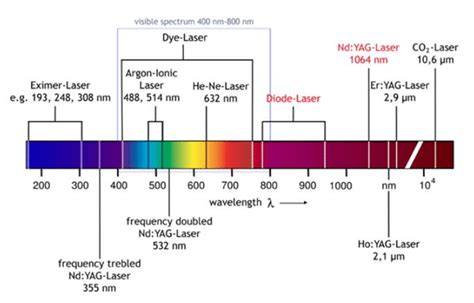
Laser Tattoo Removal and the problem with ink colours
In summary, red ink tattoo removal has progressed from a problematic color to a color with well-understood treatment pathways. By leveraging the right wavelengths, patient-specific skin assessments, and careful aftercare, meaningful clearance of red tattoos is achievable across a range of skin tones and ink formulations.