Shoulder-length layers offer a versatile, flattering option for a wide range of hair textures and face shapes. The cut distributes weight, adds movement, and can transform flat, one-length hair into a dynamic silhouette that moves with you. Whether you have straight, wavy, curly, thick, or fine hair, the right combination of face-framing, interior, and graduated layers can enhance texture, volume, and definition.
What shoulder-length layers are and why they work
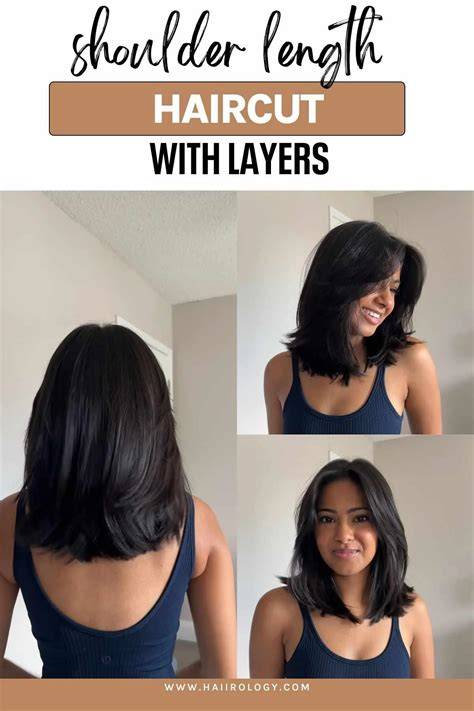
Shoulder-length layered hair is hair that ends at or near the shoulder, cut with internal graduation that distributes length and removes weight through the interior. One-length shoulder hair has all ends at the same point - creating a flat, heavy bottom edge with no internal movement. Layered shoulder hair has ends distributed throughout the lower half of the cut - lighter ends through the mid-section, fuller ends at the bottom of the outer layer. Bottom line: Shoulder layers = movement and shape.
There are three technical types of layers: face-framing (shorter pieces around the hairline), interior (hidden cuts through the underside), and graduated (the outer shape cut at an angle). Most shoulder-length layer cuts use a combination of all three. Layers don’t add root volume - they add end movement and shape. For thick hair, interior layers are often essential because they remove bulk without compromising length. For fine hair, light face-framing layers can provide movement and avoid making the hair look lifeless.
How to choose the right layers for your hair type
Thick hair: interior layers are the priority to remove bulk and prevent a triangular shape. Ask for face-framing around the hairline plus interior layers to reduce bulk through the back, with graduated ends for soft movement. Thick hair benefits from a balance of volume and shape, avoiding a blunt, heavy finish.
Fine hair: opt for lighter face-framing layers only, with minimal interior work to keep enough body. Too many layers can whisk away the little volume you have, so communicate clearly with your stylist about wanting movement without shedding bulk.
Curly hair: dry-cutting is recommended because curly hair shrinks differently when wet. Interior layers help curls breathe and stay defined, while face-framing pieces can guide the curl pattern around the face. Curly textures often benefit from layered construction that emphasizes curl sections rather than letting them merge into a single mass.
Straight hair: full layer packages (face-framing + interior + graduated) can showcase a defined silhouette, but precision matters. Straight hair shows every layer more clearly, so discuss exact placement and ensure the layers harmonize with the length you want to keep.
Wavy hair: prioritize face-framing and graduated layers to enhance the natural texture and create gentle movement. The wave pattern can separate layers naturally without excessive structure, so avoid over-layering the interior where waves are the strongest.
Practical guidelines and styling considerations
To get the smoothest, most flattering finish, a range of styling tools and techniques can be used. A hairdryer with a round brush, hot rollers, or a diffuser can amplify volume and shape depending on your texture. Blunt ends at shoulder length look heavy and dated in the right context, so a point-cut or feathered finish often works better to maintain movement.
Light balayage or soft color transitions highlight the multi-planar effect of layers. Color depth is enhanced by the layered structure as light reflects differently across each plane. For a natural, modern look, consider soft balayage starting at mid-length and fading toward lighter ends to complement the interior layer design.
Popular shoulder-length layered variations
The shoulder-length category includes several classic and contemporary cuts that pair well with layers:
- Blunt bob with shoulder grazing length can look chic when combined with a deep part and subtle layers for movement.
- Side part lob uses soft layers to create natural-looking waves and a relaxed silhouette just below the collarbone.
- Textured midi-cut emphasizes volume and easy styling, ideal for those who want natural texture and minimal maintenance.
- Collarbone cut sits just above the shoulder line for a clean, low-maintenance look with light movement.
- Classic shag adds significant volume and shape, especially flattering for fine hair in a modern, tousled style.
- Effortless bob with gentle layers that enhance texture while staying easy to style.
- Choppy layers create a bold, bohemian vibe and pair well with longer shoulder-length looks for extra edge.
Face shapes and layer strategies
Oval faces generally tolerate any layer configuration well, but the goal is to enhance balanced features. Round faces benefit most from face-framing layers to create vertical lines that elongate the face. Square faces respond to soft, jaw-skimming layers that smooth angularity. Heart shapes can gain from mid-face framing to draw attention downward, balancing a wider forehead. Oblong faces may need interior volume to avoid a stretched look. Diamond shapes can gain width with chin-level face-framing layers. For straight hair, a full layer package provides visible movement; for wavy hair, prioritize layers that follow natural texture; for curly hair, as above, prioritize interior layers to manage bulk and define curls. Fine hair benefits from minimal interior work and targeted face-framing layers to keep volume. Thick hair requires interior layers to remove bulk and create shape throughout the length.
Maintenance and trimming schedule
Shoulder-length layers require periodic trims to maintain shape. Typically, every 8-10 weeks for face-framing layers, with interior layers refreshed every 10-12 weeks. The exact timing depends on how rapidly your hair grows and how your layers were cut. Week-by-week progression can see face-framing layers growing toward the jaw and interior bulk slowly returning; regular trims help keep everything balanced.
Practical tips for communicating with your stylist
Be specific about the layer types you want: face-framing for movement around the face, interior for bulk removal, or graduated to shape through the length. If you’re unsure, bring visual references showing your preferred balance of layers and how they frame your face. For thin hair, request light face-framing layers only and discuss minimal interior work. If you’re worried about looking too short or too layered, start with fewer layers and gradually build up in a follow-up appointment.
Case examples and inspiration from expert guidance
Inspiration for shoulder-grazing cuts often comes from stylists who emphasize the versatility and modernity of the look. A shoulder-length layered cut can be paired with curtain bangs for updated framing without committing to a full fringe, or styled with big-barrel curls for a glam night out. The modern shag, with choppy layers and a tousled finish, remains a popular choice for volume and edge, particularly on medium-length hair. The overall message from pros is clear: shoulder-length layers are a powerful, adaptable option that can be tailored to almost any hair type, texture, or personal style.
How To Cut Medium Length Layers | In This Tutorial You Will Learn How To Cut Increase Layers
Save favorites to show your hairdresser at your next appointment and ensure the finished cut aligns with your goals. The right layers can transform shoulder-length hair into a flattering, manageable, and contemporary style that complements your features and lifestyle.
- Face-framing layers: movement around the hairline for a gentle frame.
- Interior layers: remove bulk, especially in thick hair.
- Graduated layers: shape through the length for silhouette and balance.
FAQ: quick reference
- Will layers make my hair look shorter? They change interior structure and movement rather than maximum length; the longest pieces stay near the shoulder.
- Can I add curtain bangs to shoulder-length layers? Yes - curtain bangs plus face-framing layers are a popular, low-commitment option for updating the look.
- How often to trim shoulder-length layers? Generally every 8-10 weeks for face-framing layers, every 10-12 weeks for interior layers.
- Can layered shoulder-length haircuts work for curly hair? Yes, but consult about dry-cut techniques and interior layers to maintain curl shape and prevent excess bulk.