Dermatologists often discourage trying to treat skin conditions at home with a mishmash of ingredients. But, if you have patches of itchy, red skin, there's one at-home remedy that might actually work: putting anti-dandruff shampoo on your face. It’s a really good little wash-off treatment, according to a board-certified dermatologist. These patches of inflamed skin might be what's known as seborrheic dermatitis, a condition related to oil and yeast on the skin. Shampoos that treat dandruff are designed to get rid of this yeast, which means they can also help with seborrheic dermatitis elsewhere on the body.
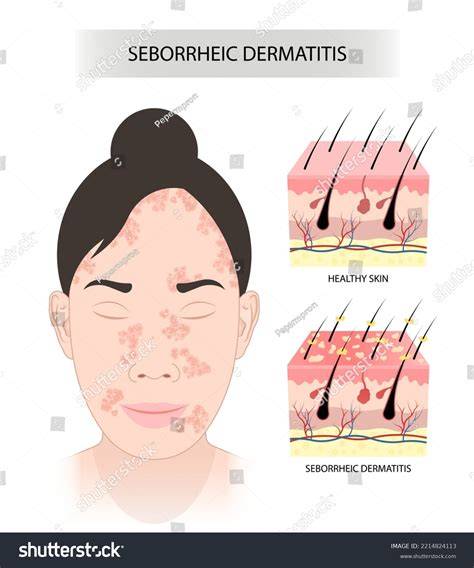
What is seborrheic dermatitis? Seborrheic dermatitis is a skin condition that causes inflamed, scaly patches of skin on the scalp and face, the American Academy of Dermatology explains. These patches are typically itchy, red and flaky, and may crack the skin. You probably know this condition best in its mildest form, dandruff, which affects the scalp. But it can show up on pretty much any area of skin, except for the palms of the hands and soles of the feet, the AAD says. When seborrheic dermatitis affects the face, it usually appears around the eyebrows, eyelids, ears, nose, forehead or mouth. It's really red, flaky areas in and along those oily areas on our face, Farhang said. Seborrheic dermatitis can also affect the beard area, she said.
How to use anti-dandruff shampoo on your face. While experts aren’t completely sure what causes seborrheic dermatitis, yeast and oil on the skin are both thought to play a role, the AAD says. Yeast, a type of fungus, can be a normal part of your healthy skin microbiome. But some people can develop an inflammatory reaction to it, the AAD says, which may be what causes seborrheic dermatitis' flaky, red rash. To help manage the yeast on your skin, Farhang recommended using an anti-dandruff shampoo - on your face. These are all anti-inflammatory shampoos, she explained. They decrease that yeast overgrowth and oiliness, which both contribute (to seborrheic dermatitis). She added, “It’s a really good little wash-off treatment.”
When using an anti-dandruff shampoo on your face... Look for shampoos with anti-fungal ingredients, such as selenium sulfide or ketoconazole. Lather up the shampoo in your hands. Apply the shampoo to your face and let it sit for a few minutes. (The product label should have specific instructions.) Rinse it off. Repeat the process two to three times per week. However, take care when washing your skin, and be gentle when using skin care products, the AAD warns. The rash may flare up if the skin is washed too aggressively or with certain irritating products.
Other skin care hacks that actually work: That’s not the only DIY skin care tip going viral that can get results, Farhang said. The retinol sandwich: Retinol and other retinoids, like tretinoin, are effective treatments for acne and some signs of aging, but they can also be irritating and drying. If that's the case for you, try applying a layer of moisturizer before your retinol and letting it absorb for five to 10 minutes. Then, apply your retinoid and follow it with another layer of moisturizer. The sandwich method creates a barrier and decreases that absorption of retinol for a little bit more of a gentle intro, she explained. Green tea for acne: Green tea contains anti-inflammatory, antimicrobial and antioxidant properties, Farhang said. And you can use it to calm down angry pimples. Start by using a green tea bag to brew tea, then let the tea bag cool down to room temperature. Then, you can gently apply the tea bag to the pimple for 10 to 20 minutes per day until the zit is resolved. But be sure to use a fresh tea bag every time. Slugging for nails and cuticles: Slugging refers to the practice of using a thick, occlusive product like Vaseline or Aquaphor as the last step in an evening skin care routine. Doing so can promote moisturizing and a healthy skin barrier, experts told TODAY.com previously. And the same may be true for nails and cuticles, Farhang said. Try applying some ointment to dry cuticles during the day or overnight. Coconut oil for hair: You can apply unrefined, raw, virgin coconut oil to the ends of the hair overnight to help with split ends, Farhang said. Afterward, cover your hair with a sock and secure it with a hair tie or scrunchie to keep your pillows clean, she advised. In the morning, just rinse your hair out with a clarifying shampoo. Oatmeal for sensitive skin: Colloidal oatmeal is anti-inflammatory, antioxidant and helps moisturize. You can make a paste at home by grinding up oatmeal and mixing it with water. From there, you can apply the mixture to your face for 20 to 30 minutes, Farhang said.
The debate around dandruff shampoo as a facial cleanser continues. Some dermatologists note there is truth to the trend but caution to prefer actual acne cleansers for ongoing treatment. Anti-dandruff shampoos contain zinc pyrithione or selenium sulfide, which have antifungal and antibacterial properties. However, many acne cases are bacterial rather than fungal, and the facial skin is more sensitive to detergents found in cheaper shampoos. If you’re considering this approach, consult your dermatologist for a tailored plan, especially if dealing with fungal vs bacterial acne. For back acne or other areas, a dermatologist may still recommend a dedicated face wash with ingredients like glycerin, ceramides, and hyaluronic acid, along with salicylic or glycolic acids and niacinamide. If in doubt, seek professional guidance to choose the best acne treatment plan for your skin.
TL;DR: Call your derm for the best acne treatments. If you're not getting good results with over-the-counter products, then it’s time to see a dermatologist who can analyze your skin and offer customized treatments.
Not comfortable putting shampoo on your face? Consider a gentle face wash with ingredients like glycerin, ceramides, and hyaluronic acid. Salicylic acid and glycolic acid help to decongest skin and unclog pores; niacinamide is great for dark spots caused by acne, and benzoyl peroxide kills bacteria. A dermatologist can help you decide whether dandruff shampoo is appropriate or if a traditional acne cleanser is better for your skin.