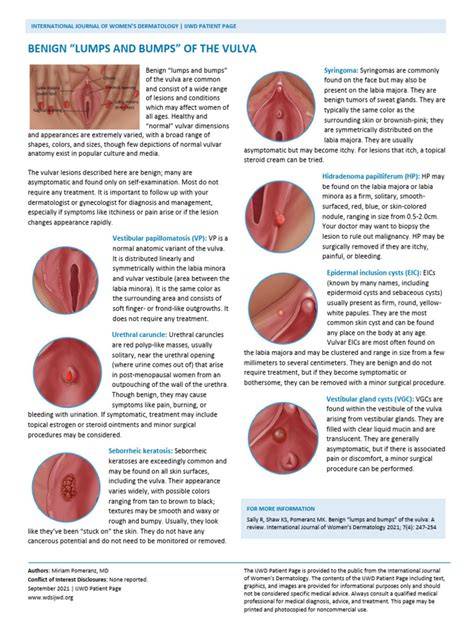
Getting a pimple on your vagina can be a big surprise. But they’re common and can form for many reasons. They typically clear up on their own within a few days with at-home care. In some cases, a healthcare provider may prescribe medicine. You shouldn’t feel embarrassed to call your healthcare provider if you’re concerned about a bump being a pimple or something else. Healthcare providers can determine the cause of growths that aren’t pimples and get you the treatment you need.
Razor-related skin changes: distinguishing burn, bumps, and other conditions
Razor burn, sometimes called razor bumps, can appear after shaving and may be mistaken for pimples. It’s not uncommon to get small white or red bumps when you shave. If they aren’t painful and go away on their own, the bumps aren’t likely to be infected. However, it could be folliculitis, an infection of the hair follicles, or a more concerning condition if it’s associated with pain and redness. Finally, it could just be normal skin changes of the vulva, which are not a cause for concern. If you have new or bothersome symptoms or any concerns, it’s best to see your provider. They can determine the cause of your symptoms and whether treatment is necessary.
To protect your genital area, avoid shaving or waxing near these sensitive areas. Shaving or waxing can cause infection or chemical burns. It’s better to trim the hair in your genital area with a trimmer or hair-cutting shears. If you shave your pubic hair, you may experience ingrown hairs that contribute to razor bumps and pimples in the bikini area. Razor bumps form when hair removal techniques cause ingrown hairs, and they commonly occur in areas with coarse, curly hair. Ingrown hairs grow back into the skin instead of outward, causing small bumps that can be painful or itchy.
Razor burn vs. razor bumps vs. folliculitis
Razor burn is inflammation from irritation, while razor bumps are caused by ingrown hairs. Folliculitis is inflammation of the hair follicles often due to infection. In the genital area, razor burn presents as a red rash and may cause stinging or burning, whereas razor bumps are raised bumps around follicles. Genital herpes or genital warts can also present with bumps or sores, sometimes mistaken for simple razor issues, so persistent, painful, or open lesions require medical evaluation.
Important distinctions:
- Razor burn: red, itchy or burning patch; caused by irritation; tends to improve over hours to days.
- Razor bumps (pseudofolliculitis): small raised bumps from ingrown hairs; may take days to weeks to resolve.
- Folliculitis: inflamed hair follicles, possibly infected; can resemble pimples or pustules and may require treatment.
- STIs (e.g., herpes, warts): bumps or sores that may be open or scab over; often accompanied by other symptoms.
What to do if you notice bumps after shaving
If you notice bumps after shaving, first assess pain, openness, and evolution of the lesions. Painful, open, or worsening lesions, or any signs of infection, warrant medical evaluation. If the bumps are small, non-tender, and close to other signs of irritation, they may be razor burn or ingrown hairs and can improve with at-home care.
Home care options include gentle cleansing, avoiding further irritation, and using soothing remedies. Cool compresses, non-irritating moisturizers, and breathable clothing can help. If bumps persist or worsen, or if you’re concerned about an infection or an STI, contact your healthcare provider for a personalized assessment and guidance.
Prevention and best practices for shaving the bikini area
To reduce the risk of razor burn and bumps in the pubic area, consider these practices:
- Trim hair before shaving to minimize pulling and snagging.
- Shave after a warm shower to soften hair and relax skin.
- Use a fragrance-free shaving gel, cream, or soothing lubricant.
- Shave in the direction of hair growth and use light, short strokes.
- Use a clean, sharp razor and replace blades regularly.
- Avoid shaving over irritated skin and consider alternative hair removal methods if prone to irritation.
- After shaving, rinse, pat dry, and moisturize with a non-irritating product.
Exfoliation and gentle care can help manage and prevent razor bumps. If you notice persistent bumps, consider non-shaving hair removal methods or consult a professional for personalized advice. Be mindful of signs that could indicate an STI or another medical condition, and seek medical care when necessary.
Symptom checks and when to seek medical advice
You should see a healthcare provider if you notice any of the following:
- Severe pain, swelling, warmth, or redness around the area
- New sores, open lesions, or spreading symptoms
- Fever, body aches, headaches, or swollen glands
- Symptoms that do not improve within a few days or worsen
- Uncertainty about whether a bump is a pimple or something more serious
Healthcare providers can determine the cause of growths that aren’t pimples and guide treatment options. In some cases, they may prescribe topical or oral medications depending on the diagnosis.