You have been highlighting or coloring your hair as long as you can remember or maybe you tried something new and now you're left wondering.. what happened to my hair? The texture is different, you noticed pieces breaking off when you brushed your hair and you feel like you completely lost all of your shine and body. You love the color, but want your hair to look healthy again.... now what? Is it damaged or dry? This is the question you have to ask yourself. To know the solution, you have to know the answer to this question. To save you from A LOT of science jargon Im going to keep it super simple. I love home renovations, so lets say your hair is a house. The cuticle (outside layer of your hair) is made up of layered cells that represent your roof and the cortex (inside your hair) is made up of different types of bonds, mostly protein, that make up the structure of your house. So the cuticle is the roof and the cortex is the structure.
What happens when your roof leaks and rain gets in your house? Damage. This is when your hair is spongy and feels like wet noodles when you wash it. This type of damage is usually irreversible, but with the right products can sometimes be improved. When your roof is just worn and old (dry hair), it may not look shiny and new, but rain doesn't get in and your house is still standing strong. This is when your hair is dry and you might say that feel like your hair feels like hay and it's very dull. You may even have small pieces breaking off occasionally. This is dry hair, and the solution is moisture. This can easily be corrected with the right at home hair care regimen.
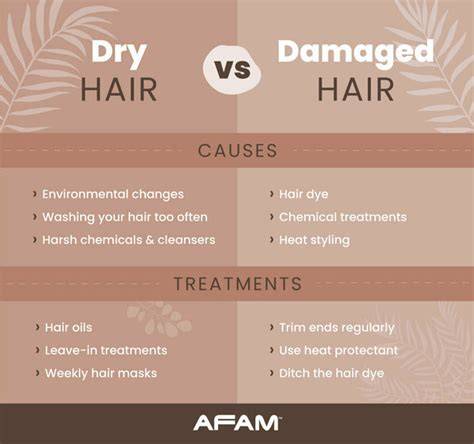
Dry Hair Vs. Damaged Hair Dry hair is when your hair becomes brittle. It may break off when you brush it or you see more hair in your brush. You may feel like your hair is rougher or looks matte instead of shiny. Damaged hair is when your hair feels matted or spongey when wet. In extreme cases you may have hair loss. Dry hair needs moisture while damaged hair needs protein. Speaking to our previous analogy, dry hair is when the shingles may be worn down and look old, but they still aren't allowing rain into the house. Damaged hair is when a few or more roof shingles are missing and rain is getting in causing damage to the house (cortex).
Solution: For damaged hair, I would reach for shampoos and conditioners that are high in protein and provide strength to the hair such as Kevin Murphy's Repair.Me Wash + Rinse. For dry hair, I would choose Kevin Murphy's Hydrate.Me or Young.Again Wash + Rinse. In both situations, adding KM's Untangled as a leave in conditioner is a great option as well as a masque as a third step in the shower. I also add KM's Young.Again Oil to all hair needing moisture.
Are You Over Washing? One cause of unhealthy hair is by over washing. I really can't stress this point enough. You should only be washing your hair 2-3 times a week tops. Then, evaluate what brands you are choosing to wash with. Cheaper shampoos are cheap for a reason. They are full of fillers and alcohols that dry your hair out. Which in turn makes your body think it needs to produce more oil and thats when you feel like you need to wash everyday. Worse, some contain silicone and waxes that make your hair feel good, but in reality they are coating your hair in a wax that makes you think your hair is in great condition, but in reality it's blocking your hair from retaining any moisture. Overtime it builds up and your hair becomes brittle and unmanageable. Professional high quality shampoos fill your hair up with ingredients that your hair needs. Every time you wash, your hair feels better and better. Low quality, cheap shampoos strip your hair without giving anything back, so overtime your hair becomes extremely dry. Just to note, over washing can contribute to dry hair, but rarely to damaged hair.
Solution: Try using a dry shampoo like Fresh Hair from Kevin Murphy to help you go longer in between washes.
Heat Tools: Are They Really THAT Bad?Flat irons, curling irons, and wavers... are they really that bad? I find them to be a necessary evil if you will. Yes, they cause damage. Are we going to stop using them? No. Two telltale signs of heat damage for me are fly aways towards the top of the hair and breakage around the face. The person who says "these pieces never grow" and point to their hair usually have heat damage. I ask them if they use flat irons and the answer is always yes. The obvious negative about this is that your hair only grows around 1/2 an inch a month, so it will take a long time for hair to grow back once it's basically been burned off. If someone continues to flat iron they will just continue the cycle and they will feel like their hair "never grows".
Solution: Use heat tools less and always use heat protectant like Kevin Murphy's Heated Defense. It protects up to 450 and is added in before your blowout. Try adding a ponytail or messy bun look into your week. Try to restyle or smooth your hair using product and a blowdryer with a nozzle before reaching for your flat iron or curling iron. Even if it doesn't completely correct the problem, it may keep you from having to use as much heat during styling.
Chemical DamageChemical damage occurs when you color or highlight your hair. The damage can become very extreme if the hair is overly processed. I think one myth we have to bust right away though, is that your hair can remain completely flawless or in an untouched state while still coloring and highlighting your hair. It's impossible. Im not saying that your hair will be damaged or broken I'm just saying that when you chemically change your hair (by coloring or highlighting or balayage) it will change the texture and look of your hair. Remember the house we were talking about, well to put it simply, chemical processing could be high winds. They blow against your shingles and sometimes blow them up. Healthy strong shingles stay put, but over time you may lose one or two in a storm and God forbid a hurricane (major overprocessing) comes through you will need a whole new roof and the house will be thoroughly damaged. (Thats when you have to cut your hair and start again.) While the latter is uncommon, slightly damaged hair from chemical processing does happen..so the question is how?
There are three types of beauties that I find that struggle the most with damaged hair. 1. Someone who is never blonde enough and constantly has their hair highlighted. They are constantly wanting it lighter which leads to lightening already lightened hair and can possibly lead to damage.2. A guest that changes back and forth between different colors. They are highlighting and coloring the same piece of hair until the hair can't take it anymore and breaks off.3. A guest who doesn't wait long enough in between appointments. A guest that highlights their hair and doesn't want to see ANY new growth so they come back at four to five weeks when there is barely anything to highlight which leads to accidental overlapping and possible breakage.
Solution: ALWAYS. ALWAYS. ALWAYS. use a repair shampoo and conditioner if you fall into this category. Consider adding a weekly repair masque to your routine. Use professional products geared to keeping your hair strong. - If you are the guest who never feels blonde enough, ask for an Olaplex treatment in addition to your normal services. It will help keep your bonds ( the structure of your house) strong. - If you are the beauty that is constantly changing your hair, try doing it gradually or along the same color story. - If you are the beauty that never wants to see your new growth, try adding a base bump service to your appointment visit. It slightly lightens your base giving you a more all over blonde appearance and helps you go longer in between visits.
Understanding Hair Structure
Last, But Not Least - Aging and Enviromental Damage I can't leave you without touching on this factor. As you get older, your hair along with your skin tends to get drier and more brittle. Anti-Aging hair products speak to the changes our hair goes through by normal aging or chemical aging of the hair. This goes along with the aging of hair by environmental damage. Simply, its just the everyday "wear and tear" on your hair. It can be from wearing a pony tail, being in the sun, brushing your hair, or the cold winter winds. Aging hair happens naturally as you get older. That's why when you get gray hairs most beauties notice that the texture is harder to control and more wirey.
Solution: Invest in products that are geared towards this problem such as Young.Again Wash + Rinse and Young.Again Oil. Healthy hair is always the goal. Repairing hair is possible with the right products and knowledge of haircare. If you have any questions, feel free to connect with me on Instagram and follow along for the latest blog and beauty updates! If you're asking, âwhat does damaged hair look like?â, we donât have just one answer for you. There are a multitude of signs that strands are stressed out, from excess shedding due to hair breakage, to dullness and brassiness.
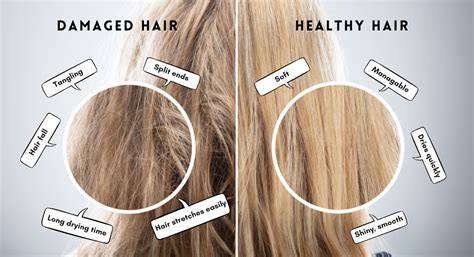
There are several ways that we damage our hair without realising,this includes brushing, exposing locks to UV rays, heat styling or undergoing chemical treatments. Hereâs how to recognize the signs of damaged hair, whatâs happening inside your strands, and the best ways to fix it for good.
What Does Damaged Hair Look Like? 5 Signs and Types
- Is Damaged Hair Difficult to Brush and Style? Yes, the first tell-tale sign of hair damage is usually that itâs hard to brush and may need more conditioner or leave-in product to tame it. It's lacking in natural shine and can feel rough, making it more difficult to style as a result. Hair strands can feel rough for a whole host of reasons, whether it's because of heat damage, bleach damage, or just simple genetics. And, once hair becomes damaged,it can lead to further problems - think breakage, split ends, flyaways and dullness. The good news is that there are plenty of ways to fix this, from vitamin-packed shampoos and conditioning treatments, to smoothing and renewing salon treatments.
- Try This For Frizzy and Damaged Hair Reach for nourishing shampoos. If your hair is too wet before you apply a conditioner, you may dilute the benefits. Think about how a sponge works; if it's soaking wet, it can't soak up any more moisture. Your hair acts in much the same way, which is why it's important to squeeze out excess water and gently towel-dry strands ahead of applying conditioner. Try it with the ULTIMATE REPAIR Conditioner â a rich and creamy treatment that detangles strands, bumps up smoothness and visibly hydrates dry, brittle hair. Leave it on for between 30 seconds and three minutes so you reap the full rewards of this breakthrough conditioner.
- Weekly Mask for Dry Lengths Once per week, drench brittle lengths and ends with a nourishing hair mask. ULTIMATE REPAIR Mask is a creamy, dreamy formula that instantly detangles, reduces frizz and repairs hair from the inside out. Plus, it harnesses targeted adaptive technology, which works to detect and treat the areas of hair in need of the most care. So, if hair is drier or more brittle in certain sections, ULTIMATE REPAIR Mask will give strands the hydration they crave. Simply massage it into towel-dried lengths and ends, allow hair to bathe in the nourishing ingredients for five minutes, then rinse out thoroughly. It's the perfect weekly booster.
- Leave-in Repair Spray Apply a leave-in repair spray when styling damaged hair. When it comes to styling damaged hair, there's no more intensive treatment than ULTIMATE REPAIR Miracle Hair Rescue. In fact, it can repair hair damage in 90 seconds* - no more, no less. All you have to do is mist it through towel-dried locks, let it absorb for 90 seconds, and then style as usual. With a blend of AHA and Omega-9, the lightweight yet luxurious mist will leave your hair 12x smoother, with 99% less breakage. In between those washes, add the ULTIMATE REPAIR Night Serum to your routine. This visibly corrects dullness and breakage cause by night stressors such as pillow friction. Simply apply 1-3 pumps on damp or dry hair as often as you need from lengths to ends for reduced tangling and breakage.
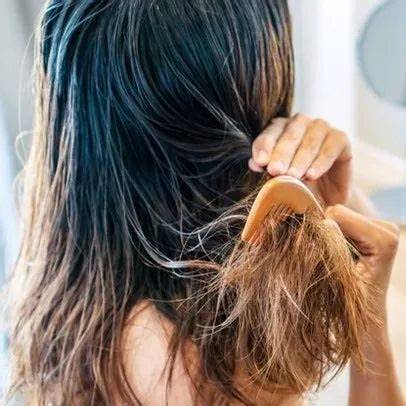
- Breakage and Shedding If youâre noticing shorter pieces or excessive shedding, your hair is likely breaking mid-shaft. This can happen when the inner structure weakens due to overprocessing such as heat and bleach damage or lack of moisture. While hot tools and lightening products are completely safe for your strands, proper care should be taken to ensure the integrity of hair is protected. And while you can't reverse breakage when it happens, you can protect sensitized strands from further stress with the right products and techniques.
- To Fix Broken Hair and Split Ends Strengthen with bond-repairing shampoos and masks. Work on building up your hair's resilience with strengthening shampoos and conditioners. The Fusion collection gives you up to 95% more resilience against breakage, thanks to a fusion of silk amino acids that work to recover the hair fiber. Wash with the Intense Repair Shampoo and Conditioner, and apply the Intense Repair Mask (in place of the Conditioner) weekly to make strands more resistant to wear and tear. Get regular trims for split ends. The ideal âcure' for split ends is a cut â and if losing too much length is a concern, there is a solution. The ULTIMATE REPAIR Cut & Seal service keeps those ends neat and tidy, while maintaining long, luscious lengths. Your hairdresser will precisely target split ends only, and gently snip them off, resulting in an 'invisible' trim. Hair simply looks healthier, but not shorter. Then, they'll 'seal' strands by washing, conditioning and styling with the ULTIMATE REPAIR regimen, including Miracle Hair Rescue for the smoothest strands.
If you're looking for detangling guidance, start detangling from the ends and move upward, use a leave-in detangling spray, and consider a dedicated leave-in conditioner to reduce friction and breakage. These steps help prevent further damage while you restore moisture and strength.
Why Does Damaged Hair Look Dull or Brassy? If your hair looks dull, flat, or brassy, it may be a sign of lost moisture or pigment. Color-treated hair, especially, can fade and lose shine after exposure to sunlight or heat. Dull hair can usually be fixed with in-salon glazing and glossing services, but it's important you upgrade your care routine to prevent dullness at home too. TRY THIS FOR DULL, BRASSY HAIR: Book in for a Shinefinity Color Glaze. Not only does it offer zero damage, but it veils strands in shine you can feel with sheer, translucent color. Plus, your colorist can dilute the shades further if you want an even softer result, or they can give you a clear glaze that works like a glossy topcoat for your hair. So, next time you're in the salon, ask about this new service; it only takes up to 20 minutes to develop, so you can be in and out in the space of a lunch break. Top up the tone with a color-depositing mask. For a tone top-up in 10 minutes, the Color Fresh Mask comes in 13 shades for blondes, brunettes, red heads and even bold, bright manes. When ditching brassiness is the goal, try Cool Espresso or Chocolate Touch for brown hair, Pearl Blonde for cool blonde hair, Caramel Glaze for caramel tones, or Golden Gloss for warm blondes. All you have to do is smooth it through clean, towel-dried locks, leave it on for 10 minutes, and then rinse thoroughly. You don't even need to use a follow-up conditioner. Simply dry, style and glow.
Inject shine with oil-rich hair care products. Oil-rich hair care products bestow a glow like no other, while also rehydrating dry locks for short-term shine and a long-term health boost. Look to Oil Reflections for a light yet lustrous blend of oils that supercharge hair's radiance. The Luminous Reveal Shampoo and Luminous Smoothing Oil are musts for dull hair days. Finish each look with a shine spray. Don't underestimate the power of a shine spray. When you've finished perfecting your style, a âtopcoat' will deliver a touch of gloss without weighing strands down. Spritz through mid-lengths and ends to instantly brighten and beautify.
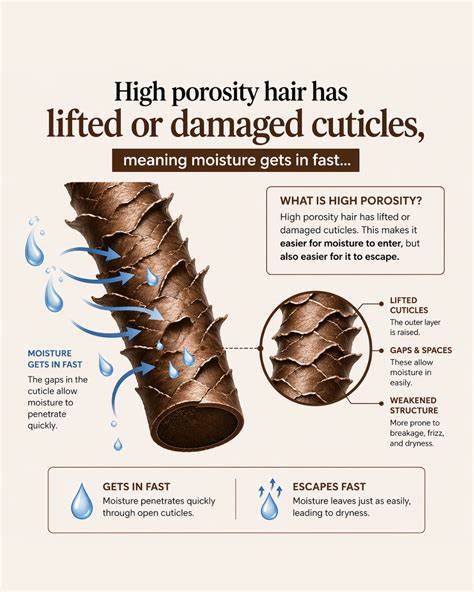
Why Donât Hair Products Work on Damaged Hair? When your hair seems to ârejectâ even the best conditioners and masks, you may have high hair porosity â where the cuticle has gaps that let moisture escape. Strands become more porous when damage causes tears and gaps in the hair cuticle, which allows moisture to get in and â more importantly ââ straight back out with ease. As a result, a lot of the nourishing ingredients in your masks escape through the gaps, meaning that your hair can't reap the full rewards of your moisturizing routine. So, watch out for how your damaged hair responds to hydrating products.
TRY THIS FOR HIGH HAIR POROSITY: Wash colored hair with color-protecting shampoos. Try the ColorMotion+ Color Protection Shampoo to lock their shade down, itâs packed with antioxidants designed to protect their dream color from fading. Reach for oil- and cream-based masks and conditioners. Richer oil- and cream-based hair masks have enough substance to help seal the cuticle, so locks will be better able to hold in moisture. That's why ULTIMATE REPAIR Conditioner is ideal for highly porous hair. Massage it through the mid-lengths and ends of clean, towel-dried hair, leave it on for three minutes and enjoy a smoother, silkier mane. For even deeper repair, reach for the ULTIMATE REPAIR Mask and leave it on locks for up to five minutes, allowing the blend of AHA and Omega-9 to nourish porous strands from the inside out. Lock in moisture with leave-in treatments. While rinse-out masks are still a must for porous strands, leave-in treatments are the secret to longer-lasting nourishment through parched hair. That's why your hair wash regimen should end with Ultimate Repair Miracle Hair Rescue. We recommend around five sprays for fine hair, 10 sprays for medium hair, and 15 sprays for coarse hair. Donât forget to let the supercharged treatment absorb into porous hair for 90 seconds, then go ahead and style to perfection.
Now, by knowing the signs of damaged hair, you can upgrade your at-home hair care routine to ensure that you're giving locks exactly what they need, when they need it most. Get ready to start your journey to achieving healthy hair! Looking for more tips to care for damaged tresses? Discover our blog for a complete collection of hair care, color and styling advice for every hair type and concern.
How to Get Healthy Hair After Damage: Understanding how to know if your hair is damaged means learning the visible and invisible signs: dryness, breakage, tangles, dullness, or loss of elasticity. By pairing nourishing products with protective habits, you can restore your hairâs natural strength and shine â and keep it healthy for the long term. Now, by knowing the signs of damage, you can upgrade your at-home care regimen to ensure that you're giving hair exactly what it needs, when it needs it most.