Balayage, sombré, lowlights, and more are featured in the realm of hair color highlighting, where the differences between techniques can be nuanced. This guide explains what Balayage is, how it compares to foils and other highlighting methods, and how to care for balayage hair for lasting, natural-looking dimension.
What Balayage Is and How It Works
Balayage is a free-hand painting technique that creates a soft and natural gradation of lightness towards the ends, producing a sun-kissed look reminiscent of natural exposure to sunlight. Pronounced BAH-LEE-AHGE, Balayage is a French word meaning “sweeping,” referring to the way lightener is brushed onto the hair. The result is a graduated lightness focused on mid-lengths and ends, with depth near the roots for a blended, seamless appearance.
Balayage differs from traditional foil highlights in its approach: it does not typically use foils to separate hair sections, allowing colorists to hand-select pieces and paint onto the hair for a natural transition. Foil highlights, by contrast, involve wrapping sections in foil to trap heat and lift color more aggressively, generally from root to tip for a more uniform, all-over highlight near the scalp.
Typically, balayage starts away from the roots and emphasizes the mid-shafts and ends. This results in a soft, blended effect with less noticeable regrowth, making balayage a popular choice for low maintenance color while preserving natural depth at the root.
Balayage Versus Other Highlighting Styles
Balayage is part of a family of highlighting approaches, including ombré, sombré, and babylights. Ombré is a more drastic version with a starker transition from dark to light, sometimes with a defined line where the color changes. Sombré refers to a soft, sun-kissed transition with only 1-2 levels lighter ends and a seamless shift from roots to ends. Babylights are ultra-thin highlights that mimic a child’s natural hair glow, used to create delicate, high-contrast nuances.
In practice, balayage can be combined with other effects to achieve a multi-tonal look. For example, a brunette base can incorporate golden or mahogany lowlights to add depth, or two tones can be painted on selected sections to diversify the overall shade. A good balayage emphasizes placement and blending to avoid harsh lines and maintain a natural, lived-in appearance.
Application and Maintenance
Balayage application involves selecting strategic sections of hair and painting lightener onto them with a sweeping motion. The technique relies on light-handed strokes near the roots and more saturation toward the mid-lengths and ends to mimic natural light exposure. The end result is color that fades gently with the length of the hair, reducing obvious grow-out lines.
Maintenance for balayage is often more forgiving than traditional foil highlights. The regrowth is softer, allowing longer intervals between salon visits. A glossing refresh around 8-10 weeks can help restore tonality and seal the cuticle, while at-home care with hydrating masks and purple toning shampoo can manage brassiness between visits.
Professional guidance remains important: a stylist will tailor placement, gradation, and tones to suit the client’s color, texture, and lifestyle. Even as balayage is adapted for various base shades, the goal is a natural, sun-kissed effect that complements facial features and skin tone.
Practical Tips and Scenarios
- For a multi-tonal palette on a brunette base, base color + selective lowlights can create depth; apply the base, then paint the variation on small sections and foil to prevent contact with non-color-treated hair.
- To achieve a lighter look without a stark line, avoid placing highlights too close to the scalp; focus on mid-lengths and ends to preserve depth at the crown while allowing a soft transition.
- Fine babylights can be introduced to subtly break up root color, aiding a natural grow-out and reducing blunt changes in the hair shade.
- If you’re considering going lighter, a professional balayage will consider your skin tone and natural base color to select tones that flatter you, keeping the result cohesive with your overall look.
Cost and Accessibility
Balayage pricing varies by salon, hair length, and the amount of lightness desired, commonly ranging from $150 to $300+ in many markets. At-home balayage kits offer a more economical alternative, though achieving salon-quality precision and blending typically requires professional technique and experience.
Care and Longevity
Maintaining balayage involves hydrating routines and color-safe products. A color-safe conditioner and a purple-toning shampoo help maintain brightness and counteract brassiness. Regular glossing treatments can refresh tonal balance between color sessions and help preserve the integrity of the hair cuticle.
Choosing Balayage for Your Hair
Balayage works across all hair types and textures. Whether your hair is straight, wavy, curly, or kinky, Balayage can be tailored to enhance natural movement and features. A skilled colorist will assess your natural base color, texture, and lifestyle to craft a customized plan that delivers a natural, luminous result with minimal maintenance.
Representative Product and Tools
Professional products and tools, such as ammonia-free lightening creams and applicators designed for precise hand-painted application, support the balayage process. While some brands offer at-home kits, the best results are typically achieved with guidance from a licensed colorist who can adjust lightness, tonal balance, and placement to suit individual hair.
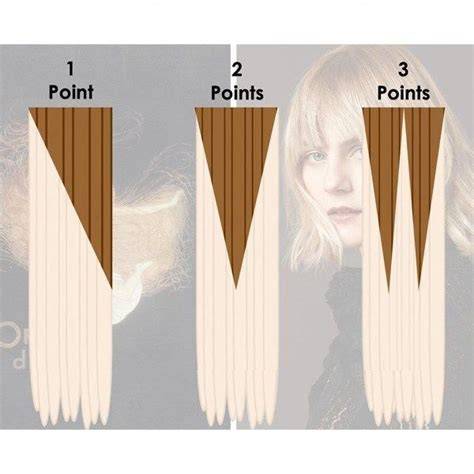
101: Learning the Basics of Balayage | Kenra Color
Balayage contrasts with traditional foil highlights, as foil techniques push lightener closer to the root and rely on foil to control lightening and heat. In balayage, the emphasis is on free-hand painting that yields a softer transition with less pronounced regrowth lines, aligning with contemporary preferences for natural-looking color.
In short, Balayage offers a versatile, low-maintenance path to sun-kissed hair that remains adaptable to many base colors and textures, with ongoing innovations in products and application methods supporting safer, more customizable results.