We all get greasy hair from time to time; it’s a natural process. If you find yourself exasperatedly asking: “Why is my hair so greasy when I’ve only just washed it?” or if this isn’t the norm for you, it’s worth taking a closer look at why you have suddenly greasy hair. Don’t panic, as there is likely a very simple explanation for why your hair is suddenly on the greasy side and always a solution. Keep reading as we learn more about the hair-greasing process and what could be caused by the sudden speeding up of your hair’s oiliness.
What causes greasy hair?
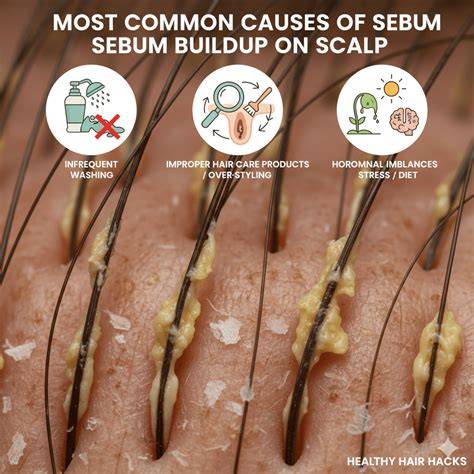
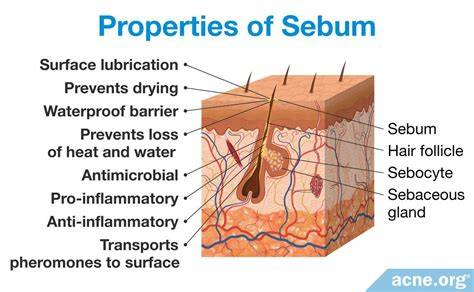
Greasy hair is caused by an excess or build-up of sebum, the natural oils produced by our scalp to support our hair health. These natural oils help to support the outer layers of the hair and protect the delicate proteins inside. Greasy hair is caused by an excess or build-up of sebum, the natural oils produced by our scalp to support our hair health. These natural oils help to support the outer layers of the hair and protect the delicate proteins inside.
Within a couple of days after washing your hair, these natural oils build up and leave the surface of your hair looking dull, darker and ‘glued down’. Of course, we all produce sebum, but hormonal changes such as puberty or pregnancy can increase or decrease sebum production. As well as the physical appearance of greasy hair, an overload of sebum on your hair can actually cause long-term damage. Sebum is an unstable substance that degrades and oxidises when exposed to UV, which can cause damage to both your hair and scalp.
Also, your hair type or hair condition, plays an important role on how fast your hair can get greasy. Fine hair, for example, is much more likely to get greasy quickly, as it ables to absorb less sebum and moisture than thicker, coarse types.
Why is my hair greasy all of a sudden?
If you’ve experienced a sudden change in how quickly your hair gets greasy, there are a number of potential culprits. If you’ve experienced any dietary or lifestyle changes in the last couple of months, this could be a reason for your hair is getting greasy so fast. Changed up your hair routine recently? We all want our hair to be well-moisturised, as moisture is the key to healthy looking and feeling hair. That said, not all hair types require the same amount of moisture from products - thick, coarse or curly hair can absorb far more moisture than fine types. As a result, if you have fine hair you’re using heavy moisturising products, it might be that your hair is getting greasy more quickly because there’s an excess of moisture. Styling products are leave-on formulas that aren’t rinsed until your next wash, which means that you won’t get rid of any residue after applying. Over time (sometimes few hours later), these will build up on your scalp, creating the greasy look you’re trying so hard to avoid. The easy solution is to be mindful when applying styling or leave on products to your roots - sometimes less is more!
Another possible culprit is that the shampoo and conditioner you’re using could be too heavy for your hair, meaning your hair can’t absorb all the moisture it’s being provided with. Sebum production is controlled by our hormones, so a sudden surge in scalp oil production could be down to hormonal changes. Hormonal changes at different life stages, such as puberty, pregnancy and menopause, have been found to impact sebum levels, and so most of us experience this change at some point in our lives. Puberty is the step that’s most likely to see an increase, as the levels decrease from your twenties onwards. Don’t panic, as it’s possible to manage a shift in levels by taking precautionary steps in your hair care regime. It’s possible that the changing of seasons (or climate if you’ve recently travelled) has caused your scalp to go into overdrive and think it needs to produce excessive oils. It sounds like a simple one, but touching your hair or even moving your part from one side to another increase the distribution of the sebum through your hair, leading to a greasier look. Been touching or fiddling with your hair a lot lately? Your suddenly greasy hair could be in part down to this.
The solution? A clarifying shampoo will not only fully cleanse your hair of any dirt and sebum build-up, but also of any excess product residue, leaving you with hair that’s deeply cleaned. For hair that gets greasy easily, you might be thinking, why would I want to use a heavy moisturising product like conditioner? Foam conditioners offer all the moisturising benefits of a traditional conditioner in an air-light formula that rinses cleanly, so you don’t need to worry about overloading your easily greasy hair. There are different options depending on your hair concern, but we recommend the Volume & Body option for hair that’s sitting flat and greasy and needs a bit of ‘oomph’. It’s important to remember that styling products are often very heavy and can add unnecessary weight and substance to your hair; things that will contribute to that greasy and lifeless look. Stick to lightweight styling products that won’t add too much weight on your hair, avoiding heavier, leave-in conditioners and styling creams. Our Mousse Perfect Volume gives fine hair a boost that lasts all day with the added bonus of protecting hair against humidity so it doesn’t frizz. If you favour sprays over mousses, or you like additional hold on your style, our Hairspray Perfect Volume gives a sheer volume and body finish that’s lightweight. So, you see, suddenly having greasy hair doesn’t need to be the end of the world for you and your hair.
Common causes and practical fixes
- Overwashing
- Product Buildup
- Applying Products Too Close to the Roots
- Not Cleansing Properly
- Touching Your Hair Too Often
- Hormonal Changes
- Seasonal/Environmental Factors
Greasy hair comes down to one thing: Your scalp is producing excess oil (sebum). But here’s the part people miss: Oil isn’t bad, it’s necessary. This is where it gets interesting. Greasy hair doesn’t mean your hair is “too oily.” It means your scalp is out of balance but once you understand that, everything shifts. For me, it wasn’t about using more products, it was about using the right ones in the right places. Because curly hair is layered which means our scalp needs one thing while our ends need another. Are you frustrated by your hair’s quick transformation from fresh and clean to greasy and lifeless? You’re not alone.
Many people struggle with oily hair, which can be both inconvenient and a sign of deeper issues. In this discussion, expert tips shed light on why your hair might be getting greasy faster than you’d like and offer practical solutions to manage and prevent it. From hormonal fluctuations to improper hair care habits, discover the key factors affecting your scalp's oil production and learn how to adjust your routine for healthier, less greasy hair. Dive into expert advice to tackle this common problem and keep your locks looking their best.
Hormones and routine factors
1. Hormones and Your Menstrual Cycle: Hormones play a significant role in the condition of your scalp and hair. Fluctuations in hormone levels, particularly during your menstrual cycle, can lead to an increase in sebum production. Just before your period, levels of oestrogen drop while testosterone levels can become more dominant. This shift can stimulate the sebaceous glands in your scalp, leading to oilier roots and greasier hair overall. Women with polycystic ovary syndrome are more likely to have oily hair throughout because of the typically higher levels of androgens. If your hair is suddenly oilier, it can be triggered by changing your contraceptive. Some hormonal contraceptives contain progestins that behave in a more androgenic way, and some women experience oilier hair when they are taking the mini pill or have the Mirena coil.
2. Not Cleaning Your Hairbrush Often Enough: Your hairbrush can harbour oil, dirt, and residue from styling products. When you brush your hair, especially after washing it, you might be reintroducing these back into your clean hair. Make it a habit to clean your brush regularly-about once a week-to ensure that you’re not transferring grime back on to your scalp.
3. Overwashing Your Hair: It might seem counterintuitive, but washing your hair too frequently can exacerbate oily roots. When you strip your scalp of its natural oils too often, it can go into overdrive trying to replace them, leading to an increase in sebum production. A good rule of thumb is to wash your hair every 2-3 days, and weekly for curlier hair, depending on your hair type. Using too hot water or being too vigorous when you wash your scalp can also stimulate sebum production, so turn your shower temperature down and go easy on the scalp massager.
4. Using the Wrong Shampoo and Conditioner: Not all shampoos and conditioners are created equal, especially when it comes to oily roots. Some shampoos contain stronger sulphates that can strip the scalp of its natural oils, prompting an overproduction of sebum as a defense mechanism. Instead, opt for a gentle, sulphate-free formula that balances oil production without stripping. On the other hand, if you deal with hyperseborrhea or an excessively oily scalp you may need to use a stronger sulphate or clarifying shampoo every week to remove build up. If you have the right hair care routine, it is fine to shampoo daily.
5. Not Rinsing Properly: It’s crucial to thoroughly rinse out shampoo and conditioner. If you leave residue behind, it can mix with your natural oils, leading to buildup and greasiness. Make sure you spend an extra minute or two in the shower to ensure that all product is fully washed out.
6. Touching Your Hair Too Often: Constantly running your fingers through your hair can transfer oils from your hands to your strands, making your hair look greasy faster. Try to keep your hands out of your hair as much as possible throughout the day.
7. You are Experiencing Hair Loss: If you have noticed that your hair is thinning or shedding more than usual, your scalp probably feels oilier than usual too. This is because every hair follicle has a sebaceous gland, so when there isn’t as much hair the sebum pools on the scalp instead of coating your hair. Addressing your hair loss can help to remedy this.
8. Using the Wrong Hair Products: Some styling products can make your hair greasy, especially those that are too heavy or contain oils not suitable for your hair type. Look for products that are specifically designed for oily roots or that have lightweight, non-comedogenic formulas. Noughty’s Back to Balance Shampoo is an excellent choice for those with oily roots. This natural, sulphate-free shampoo gently cleanses without stripping the scalp, helping to normalise sebum production and extend the time between washes. Formulated with moisturising provitamin B5, glycerine, and tea tree which work together to hydrate and balance your hair.
Ingredients to Look For: If you have oily roots, it’s important to choose products with the right ingredients to help balance your scalp without overwhelming it. Salicylic Acid helps exfoliate the scalp, removing excess oil and dead skin cells, which can contribute to buildup and greasy hair. Ingredients to Avoid: Heavy Oils like coconut oil and argan oil can be too heavy for those with oily roots, potentially making the problem worse. Silicones can build up on the scalp and hair, trapping oil and leading to greasy roots.
Should You Use a Clarifying Shampoo or Scalp Scrub? If you struggle with greasy hair, incorporating a clarifying shampoo or a scalp scrub into your routine can be very beneficial. Clarifying shampoos are designed to deeply cleanse your hair and scalp, removing product buildup, excess oil, and impurities. Noughty’s Detox Dynamo Clarifying Shampoo is an excellent option for this purpose. It detoxifies by banishing buildup and removing follicle-clogging impurities and environmental residues. Its natural, sulphate-free formula gently cleanses without stripping your hair, leaving your scalp feeling healthy and clean. The rehydrating extracts of sorrel leaf and peppermint also help replenish lost moisture, supporting optimal scalp and hair condition. Scalp Scrubs are another great option for tackling greasy hair. They exfoliate the scalp, helping to remove dead skin cells and buildup that can lead to oiliness. Noughty’s Detox Dynamo Clarifying Scrub is designed to lift away dead skin cells, sebum, and buildup. It contains a trio of natural exfoliating actives-pumice, green bamboo, and crushed coconut shell powders-which work together to leave the scalp clean and fresh, without residue or grit. Additionally, the scrub stimulates microcirculation, giving your scalp a healthy head start.
You might have occasionally wondered, “Why does my hair get greasy so fast?” Even if you wash your hair thoroughly, it might look greasy and oily the next day. Various factors cause this widespread issue. People with fine and straight hair often complain about this problem. However, the issue may also depend on your lifestyle and hair care routine. However, frequent washing and scrubbing stimulate sebaceous glands. As a result, they start producing even more sebum oil. Excess oil makes your hair and scalp greasy, irritates the skin, and makes hair look lifeless. If you notice that your hair becomes greasy and oily quickly, there might be multiple reasons behind this issue. Some people are genetically predisposed to this condition. Others use hair washing and styling products that stimulate excessive sebum production. Environmental factors also impact the health of your scalp. When it’s hot outside or when you do exercises at a gym, your body produces more sebum and sweat.
To prevent grease buildup, consider a well-balanced routine: wash every 2-3 days, use a sulphate-free shampoo for oily hair, massage your scalp, rinse with barely warm water, avoid applying conditioner to roots, and use dry shampoo between washes. A healthy lifestyle and diet support healthier hair, and professional guidance can help in complex cases. Clay masks, scalp scrubs, and salicylic acid can help regulate sebum, while avoiding heavy oils and silicones helps prevent buildup. In many cases, switching to professional, appropriate cleansers and schedules can fix oily hair fast.
Practical tips and products to try
- Use a lightweight, sulphate-free shampoo formulated for oily roots.
- Limit conditioner usage to mid-lengths and ends; avoid roots.
- Incorporate a clarifying shampoo weekly to remove buildup if needed.
- Massage the scalp gently during washing to improve circulation.
- Rinse with cool-to-warm water to preserve natural oils.
- Keep hands away from hair to minimize oil transfer.
- Consider dry shampoo between washes for quick refreshing.
- Explore masks or scrubs based on sebum balance, like clay or BHA-based products.
When your hair gets healthier, you will be able to use a shampoo daily without any negative effects. When your scalp overheats from blow-drying your hair after washing, it may start producing too much sebum. Hair straighteners and other styling accessories may also have a negative effect on your hair, especially if you use them without applying heat protection spray first. Some people have a nervous habit of touching their strands whenever they do not know what to do. This habit is often unconscious, so many of them do not realize they have it. You may also get excited seeing your newly styled hair and keep touching it while standing in front of the mirror, trying to make it look even better. When you touch your hair, you change the well-balanced distribution of the sebum. Fiddling with strands makes them look unhealthy and greasy.
When you discover likely causes for greasy hair, it’s time to change your hair care routine. There are plenty of practical remedies that could help you make your hair and scalp healthy again. Avoid washing your hair too often. Use a sulfate-free shampoo for oily hair. Such products make your hair cleaner without removing natural oils that protect it. Massage your scalp slightly when washing your hair. You will gently remove dead skin cells and residual oil, improve blood circulation, and strengthen hair roots. Rinse your hair with barely warm water. Do not apply a hair conditioner to the roots. Use dry shampoo between washes when you need to get your hair clean quickly. It will absorb excess oil and give your hair a fresh look without washing and blow-drying it too often. You will save a lot of time and avoid frequent styling. Follow a healthy diet. If you want to know how to prevent your hair from getting oily, you can embrace healthier habits and transform your hair care routine. There is no need for salon treatments if you keep your hair healthy, as there are plenty of efficient home remedies. However, if you realize that you cannot solve the issue of greasy hair on your own, getting in touch with professionals will help you achieve sustainable progress. Apply clay, herbal, or vinegar-based masks to cleanse your scalp and remove excess oil without making your skin overly dry. Clay masks work best for cleansing both scalp and hair, as they naturally absorb excess oil and grease. Using them will allow you to boost your hair volume and make it look shiny and healthy. Some people prefer to mix clay with water and apple cider vinegar and apply the mask to damp hair for 10-20 minutes. Scrubs and exfoliating treatments are professional-level remedies that can normalize sebum production. However, you should use them under supervision to avoid damaging your hair and stimulating excessive sebum production. Salicylic acid (BHA) can deep-cleanse pores and eliminate oil and dead skin. It might be necessary to book an appointment with a certified trichologist if sebum production does not normalize after home treatments. Remember that it’s better to use professional shampoos for your everyday hair care routine. In many cases, you should be able to fix oily hair fast by choosing a different approach to hair care. Using a professional sulfate-free shampoo, massaging your scalp, and applying masks can do wonders for your hair and gently remove the excess oil. Contacting a trichologist may be necessary to get assistance from a health specialist in complex cases.
Doctor's Fix For Oily & Greasy Hair | Skincare & Haircare Tips
Query-driven quick references
Why Does My Hair Get Greasy So Fast? Overwashing, product buildup, applying products too close to roots, not cleansing properly, and hormonal changes are common culprits. A balanced routine with gentle cleansers, light moisturizers, and periodic clarifying treatments helps many people regain control over sebum production.