Ever notice how your hair hurts when you haven’t washed it in a few days? It’s not just you-greasy hair pain is a thing, according to dermatologists, and there’s a legit scientific reason for it. Listen, we've all gone a few too many days between shampoos. Even with the miracle that is dry shampoo, scheduling regular full washes can sometimes fall to the bottom of the to-do list. Gross? Sure. True? Definitely. (Hey, washing and styling is time consuming.)
Of course, when you don’t have time to wash your hair, you can end up with a scalp full of grease. And unfortunately, that’s not all you can get from skipping washings. If you don’t wash your hair for awhile, oils that your scalp produces naturally accumulate around your hair shaft, promoting the overgrowth of yeast on your scalp, explains Joshua Zeichner, M.D., a New York City-based board-certified dermatologist and director of cosmetic and clinical research in dermatology at Mount Sinai Medical Center. This can lead to skin inflammation which causes redness, itchiness, and scaliness. “In some patients, inflammation may manifest most with an ache,” he says. Translation: Your hair hurts.
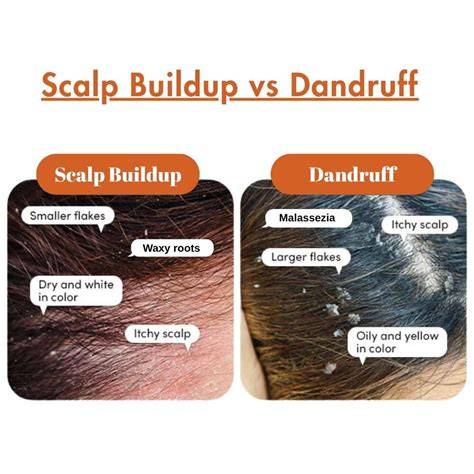
Before you freak out and run to the shower, getting what sounds like a yeast infection on your head doesn’t mean you’re a dirty person (even if you are a little lax on the hair-washing front). That yeast that grows on your scalp is malassezia yeast, which lives on everyone’s bodies, Zeichner explains. “Remember that while these shampoos may wash hair, they should really be used as scalp treatments,” he says. That means you should apply them only to your scalp, let them sit there, and lather for the length of time that it takes to sing the alphabet.
If your scalp feels sore, tight, itchy, or tender when your hair is overdue for a wash, sebum may be part of the story. Sebum is the natural oil made by your skin. The short answer: dirty hair itself does not usually make the scalp hurt. More often, discomfort comes from buildup around hair follicles, oil-related inflammation, traction from heavy or oily hair, scratching, or an underlying scalp condition that becomes more noticeable between washes.
Sebum is produced by sebaceous glands connected to hair follicles. In the right amount, it helps keep the scalp comfortable and supports the skin barrier. The challenge is that sebum is sticky by design. For some people, that buildup creates a sensation of pressure or soreness at the roots. For others, the main feeling is itch, burning, flaking, or tenderness when moving the hair. Heavier hair at the roots: Oil can make hair feel weighed down. Oily areas of the body, including the scalp, are more prone to certain forms of flaking and irritation. Seborrheic dermatitis, for example, can cause greasy scale, itch, and redness or discoloration on the scalp. Many people notice that symptoms feel more obvious when the scalp is oily. That does not mean oil is the only cause.
If scalp soreness keeps returning, a dermatologist can examine the scalp, look for inflammation, scale, clogged follicles, hair shedding patterns, or signs of infection, and recommend next steps. It is worth getting checked if scalp pain is intense, persistent, or comes with other changes. Not necessarily. Tenderness can happen without hair loss. Some people feel better with more frequent washing, while others become irritated by overwashing or harsh products. Dry shampoo can be useful occasionally, but frequent use may contribute to residue at the scalp for some people. No. Scalp sensitivity is common and can be influenced by oil production, inflammation, styling habits, product residue, and skin conditions.
What’s the deal with hair and scalp pain? According to doctors, the reason your hair may feel like it's hurting can be due to inflammation in the scalp that's brought about by several common causes like styling or poor washing habits. Thankfully, there are several easy solutions to remedy the aching, including avoiding tight hairstyles, washing your hair more often and stimulating your scalp. The science behind hair pain starts in the scalp. “Hair pain, otherwise known as scalp sensitivity, occurs due to an inflammation of the blood vessels in your scalp," said Dr. Stephanie Nichols, a licensed naturopathic doctor. To echo that, Dr. David D. Clarke, M.D., explains that the sensations of pain we experience in our hair are really coming from the nerve endings attached to each specific hair.
To delve into the science behind why we experience hair pain, Dr. Hair and scalp pain are caused by several different factors, each with its own solution. While it's healthy to avoid overwashing your hair, doing the opposite also comes with negative repercussions. In short, your scalp's natural oils continue to accumulate around the hair shaft, which in turn encourages the overgrowth of yeast on your scalp. What's more, if you tend to go long periods of time without washing your hair, you can still maintain a healthy blood supply to your scalp while regulating excess grease from your oil glands by simply brushing your hair regularly.
According to Dr. Bailey, keeping up the same hairstyle - or even a hair part - leaves your hair too accustomed to being in one position, which can cause sensitivity. Also: Smelly Scalp? Dr. Bailey also suggests avoiding wearing any specific style for an extended amount of time, including overnight. This is so your follicles aren't forced in any one direction they wouldn’t normally lie, such as if you wear a ponytail for too long. If you don’t wash your hair and you keep it in the same style, it can feel sore because it lacks hair and scalp stimulation. If you’re that girl who has to go five days without washing, then brush your scalp. Use a Paddle Brush to rub the head and revive blood flow.
Did you know that two-thirds of those who suffer from constant migraine headaches also experience hair pain, according to the American Headache Society? That's because migraines can cause a phenomenon known as allodynia, which is when ordinary nonpainful stimuli feel painful. Allodynia is provoked by the constant firing of nerve cells in the brain during migraines. As much as Bella Hadid and Kim K make us want to rock a sexy slicked-back bun, these tightly pulled-back hairstyles can lead to major scalp pain, and even worse, traction alopecia, said Dr. Bailey. To avoid alopecia, Dr. Bailey recommends sticking to soft rollers, rubber bands or hair ties (say goodbye to those tight, grippy elastics) and opt for looser hairstyles instead. And when it comes to styling your hair, consider opting for loose styles instead of anything that pulls at your precious scalp.
We all want perfect hair. But when we pile on several products at a time, we can block our follicles. Sometimes your scalp just needs a break! Why it happens: On the one hand, the scalp can hurt when hair is dirty. But on the other hand, the scalp hurts when you go overboard with scalp cleansing as well. By washing your locks daily and using harsh shampoos, you deprive your scalp of sebum and ruin its healthy pH. One especially good pick is a dry shampoo that's fortified with phyto-actives that help support healthy and balanced hair follicles. Proper scalp cleaning with a purifying shampoo or a scalp scrub should be your weekly routine, but you have to customize the schedule based on your hair type.
If you're dealing with bumps, scabs, and burning or stinging sensations, you might have an infection. The culmination of these factors - tight hairstyles, tugging on your hair, product buildup - can also be a sign of infections such as scalp folliculitis, aka a bacterial or fungal infection around the follicles on your scalp. There you have it, the most common reasons your hair can feel like it's hurting. But it's not that your hair hurts. Instead, the pain is coming from your scalp.
Why Your Hair Hurts
There are many possible causes of scalp pain when the hair moves. Finding the most effective treatment depends on what is causing the discomfort. Several conditions, such as psoriasis, can cause a painful scalp. These conditions usually require medical treatment. In other cases, certain hairstyles may cause discomfort. These are modifiable at home. People with sensitive scalps should carefully monitor their condition and hair care practices.
Common symptoms of scalp pain include itching, prickly sensation, and tenderness when moving the hair. Traction alopecia is a risk for tightly pulled hairstyles, while seborrheic dermatitis involves oily skin and can cause greasy scales and itch. Scalp psoriasis presents with patches and flaking. Folliculitis is an infection around the hair follicles causing bumps and discomfort. Allodynia is a broader pain phenomenon that can be provoked by migraines. Treatments vary: changing hairstyles, OTC or medicated shampoos, topical treatments, and lifestyle adjustments can all help. If there is no improvement after a few weeks, a doctor visit is warranted to identify the cause and appropriate therapy.
Optum Perks is owned by RVO Health. By clicking on this link, we may receive a commission. Learn more. There are many possible causes of a painful scalp when the hair moves. Finding the most effective treatment depends on what is causing the discomfort. This article discusses causes and treatments associated with a painful scalp when the hair moves, including infections, inflammatory conditions, and styling-related factors.