Hair alcohol testing is widely used in legal and professional settings to assess alcohol consumption over time. This testing is used for many reasons and provides a longer window into an individual’s drinking history compared with blood or urine tests.
What is hair alcohol testing and why is it used?
Hair alcohol testing is widely used where objective evidence of alcohol consumption over time is required. An alcohol hair test can detect whether a person has consumed alcohol in recent months, and these tests are often given together with blood or urine tests to better understand a person’s alcohol use. Unlike blood and urine tests, hair testing offers a much longer window into consumption patterns, enabling distinctions between infrequent use and potential alcohol misuse or abstinence over months.
Alcohol tests are accurate, but there are examples of false positives and false negatives. Ethyl glucuronide (EtG) is the direct marker looked for in hair testing, and it is present only when alcohol has been consumed or blood alcohol levels have been elevated. The test can indicate not only whether alcohol was used, but also the relative level of use during the detection window.
Hair testing traps biomarkers in the fibers of the growing hair strand, providing a long-term history of alcohol use. When collected close to the scalp, hair can provide up to approximately a 3-month detection window for alcohol and other drugs, with typical sample lengths of 1.5 inches corresponding to about 90 days of history. If head hair is unavailable, body hair can be collected from underarms, legs, chest, or face, though the time period analyzed may differ.
What exactly does the test measure?
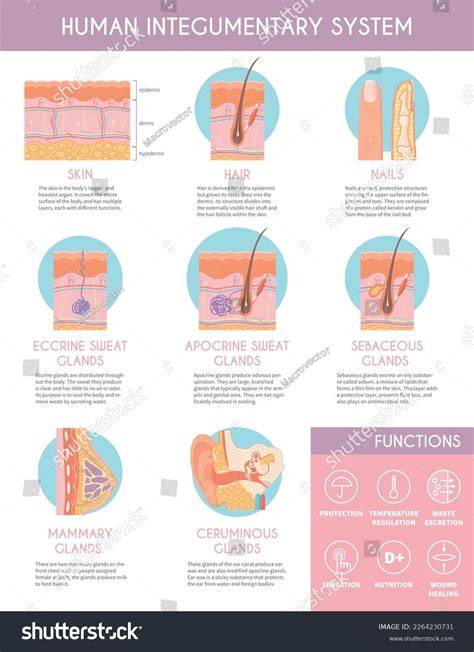
The EtG marker-a direct metabolite of ethanol-appears in hair only after alcohol consumption, allowing a retrospective view of drinking patterns over the detected months. EtG is water-soluble and deposited onto the hair via sweat glands, while FAEE (ethyl palmitate) is lipophilic and deposited primarily from sebum. These markers together help indicate average consumption and distinguish between casual social drinking and more habitual use. However, the test cannot specify exact dates, times, or precise quantities of alcohol consumed.
In some cases, additional testing, such as blood alcohol testing or PEth testing, may be recommended to corroborate long-term histories with more recent alcohol intake information. Hair testing is often used in court-ordered programs, child custody proceedings, and substance abuse treatment contexts to monitor abstinence or patterns of use over months.
How long can alcohol be detected in hair?
Alcohol typically appears in a hair strand test for 1 to 6 months, though some cases may show longer detection depending on individual metabolism and hair growth. The rate at which alcohol becomes detectable is influenced by hair growth and how quickly substances are incorporated into hair. Most people will trim or cut hair before very long periods elapse, so results commonly reflect up to 3 to 6 months of history.
Head hair is the preferred sampling area because it provides the most precise long-term picture. If scalp hair is unavailable, body hair (such as underarm or chest hair) may be used, but the time window may be less precise and more variable.
Sample collection, guidelines, and practicalities
Typically, a small sample of head hair is collected from the crown area, approximately 1.5 inches long and about the diameter of a pencil, containing enough material (around 100 mg for standard tests; 150 mg for larger panels). If head hair is not available, equal amounts of body hair may be collected. A single pooled sample can be analyzed for an overview of the 3-month period, or segmented into monthly 1-centimetre sections for a more detailed breakdown of patterns over time.
Turnaround times for negative screening results are generally the next business day, with additional 1-2 days for confirmatory testing. The laboratory accreditation, such as UKAS ISO 17025, ensures the quality and reliability of the analysis process. When hair is collected, laboratories may ask about cosmetic and hair care practices to interpret potential effects on results, such as bleaching or dyeing, which can influence marker incorporation.
For those undergoing hair alcohol testing, it is important to note that the test does not reveal the exact date or time of alcohol consumption, nor the precise quantities consumed. It instead provides an average EtG level over the detection window. A cut-off level is used to minimize false positives from incidental exposure or endogenous production of EtG, meaning that very small amounts or a single drink may not trigger a positive result.
Limitations and considerations
Hair testing is not infallible. False positives and false negatives can occur, and various hair treatments, cosmetic products, or external contamination can affect results. It is important for testers to gather information about hair care routines and products used in the weeks leading up to sampling to assess potential interferences. The test is designed to identify patterns of alcohol consumption rather than pinpoint exact events, and it should be interpreted in the context of other evidence and tests when possible.
In addition to EtG and FAEE markers, some laboratories may offer additional panels or markers to enhance interpretive value, such as segment analysis to show changes in consumption patterns over time or correlation with abstinence periods. When evaluating results, testers consider the overall pattern rather than focusing on isolated values.
Who should consider hair alcohol testing?
Hair alcohol testing is particularly relevant for individuals in court-ordered programs, child custody or protection cases, probation, or substance abuse treatment programs where a long-term history of alcohol use is required. It is also used by employers or healthcare programs seeking a non-invasive method to monitor abstinence or patterns of drinking over several months. A properly conducted test, with appropriate sample collection and validated laboratory procedures, offers robust information for decision-making in these contexts.
Practical guidance for appointments
Appointments for hair alcohol testing are typically required, and testers will explain the sampling process, what to expect, and how to prepare. The test is relatively quick, requiring only a small hair sample, and can be conducted alongside other tests if needed. Patients or clients should disclose any hair treatments, cosmetic procedures, or grooming practices that could affect test results, so the laboratory can interpret findings accurately.
Common questions answered
- Does a hair test show exactly when alcohol was consumed? No; it provides an average level over the detection window and patterns over time rather than precise dates.
- Can a single drink trigger a positive result? Typically not, due to cut-off levels designed to reduce false positives from incidental exposure.
- Can hair tests detect current intoxication? No; EtG appears in hair after several days and reflects past consumption rather than real-time intoxication.
If you need court-ordered, child custody, or other formal monitoring, hair alcohol testing offers a long-term view of consumption with rapid results and nationwide collection capabilities. It complements other modalities like breath, urine, or blood tests to provide a comprehensive picture of alcohol use history over months.