Brow pens offer a targeted way to mimic individual brow hairs, providing precise strokes that can define sparse areas at the arch, front, or tail of the brow. They contrast with brow pencils, which are used to create overall density across the brow by filling in more broadly and then diffusing with a spoolie.
What differentiates brow pencils from brow pens
Brow pencils are designed to create the effect of density, and they can be used all over the brow. After applying, you brush them out and diffuse with a spoolie to soften the look. In contrast, a brow pen is more precise and creates the appearance of individual hairs, making it ideal for sparse brows needing definition at key points.
How to use a brow pen for best results
Before you even pick up your brow pen, make sure your brows are completely clean and oil-free. This means no moisturizer, serums, oils, or even highlighter sitting on the brow area-anything slick can cause the pen to skip or fade.
Once your base is on, go in with your brow pen as the next step in your makeup routine. Applying it after complexion products helps prevent smudging or covering freshly drawn strokes with concealer.
Technique matters, especially for beginners. Use light pressure and apply a few flicks toward the front of the brow to create a slight cowlick effect, then a few light strokes on the tail to elongate it. For a fluffy, natural finish, leave a space between strokes to make arches appear fuller rather than simply filled in. Finally, brush your brows with a spooley to blend and set the look.
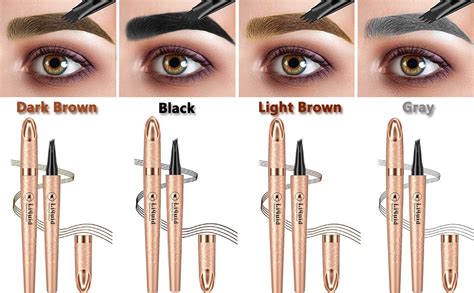
Shade choice is crucial. Choose a pen that is a bit lighter than natural brow hairs to add dimension and fullness without making the brow too dark.
Expert insights on brow pens
Lila Childs emphasizes the contrast between pencils and pens, noting pencils build overall density and pens create hair-like strokes. Amrita Mehta recommends spacing strokes for a fluffy effect and highlighting the importance of light pressure. Kasey Spickard adds nuance on tailoring technique to individual brows and preferences.
According to industry practitioners, a brow pen’s precision makes it an excellent tool for defining sparse areas-particularly at the arch, front, or tail-while maintaining a natural appearance when used with a light hand and proper blending.
How products are tested and reviewed
Before reviewing any makeup, questions are asked about ingredients, shade range, skin sensitivity, contact lens safety, affordability versus splurge, and packaging sustainability. A thorough testing process involves multiple editors, writers, contributors, and professional makeup artists to ensure reviews reflect a wide range of skin tones and needs. Primary evaluation criteria include ingredients, wear and longevity, packaging, and inclusivity.
Product testing aims to reflect real-world use across different tones and conditions, recognizing that personal preference and technique influence outcomes as much as formula alone.
Practical tips for choosing and applying brow pens
- Look for a shade that’s slightly lighter than your natural brow color to avoid an overdrawn look.
- Use light pressure and short strokes to mimic natural hairs.
- Start at the front to create a soft cowlick, then define the tail for elongation.
- Always set with a spoolie after drawing to blend and smooth.
- Opt for a formula with longevity suitable for your skin type, especially if you have oily or sweaty conditions.
How To Apply | Microblade Pen | Tatbrow®
In practice, brow pens are a versatile component of a makeup routine, offering control for precision work and the flexibility to adjust density and shape without committing to heavy filling. When paired with proper technique and the right shade, a brow pen can elevate both sparse and naturally thick brows by adding defined strands that enhance a balanced, natural look.