Hair ties made from cloth and fabric blends have surged in popularity as a gentler alternative to traditional elastic bands. They come in a variety of textures, thicknesses, and constructions, each designed to balance hold, comfort, and hair-health benefits. This article synthesizes widely available item descriptions and expert guidance to help you choose cloth hair ties that minimize damage, reduce creases, and fit your styling needs.
Why choose cloth hair ties over traditional elastics
Traditional elastics can trap and break very dry or fine hair, and they may leave creases on thick or curly hair. Cloth-based ties often glide more smoothly, distribute tension more evenly, and reduce snagging. For delicate or processed hair, softer materials like microfiber, polyester blends, or silk-coated fabrics offer a gentler experience while maintaining adequate hold.
Collar-friendly and crease-free options are particularly appealing for daily wear, overnight use, and active lifestyles. The right cloth tie minimizes hair pull, protects against frizz, and preserves moisture and natural oils, especially when combined with silk or satin coatings in some designs.
Common types and their ideal use cases
Traditional elastic cloth hair ties: Affordable, versatile, and widely available. Best for everyday use and for those who want a firm hold without specialized styling.
Coil or wrap-style cloth ties: These are designed to avoid creases, dents, or bumps, making them a good choice for curly or textured hair that you want to keep sleek without leaving visible marks.
Silk or silk-coated scrunchies: While not always pure cloth, silk or mulberry-silk scrunchies (sometimes glued to a fabric base) glide over hair and reduce pulling, making them a top option for fragile or damaged hair.
Silicone or stretch-fabric ties: These are easy to clean and maintain, offering a low-friction surface that helps prevent snags and breakage, with durable performance for longer wear.
Adjustable or snap ties: Some cloth ties feature adjustable tension or snap closures, which let you customize the hold to your hair density and thickness without stressing strands.
Choosing the right fabric and construction
Material matters. Traditional elastic materials are strong and provide tight holds, but softer materials like microfiber and polyester blends can reduce frizz and tension on the hair. Silk-based options preserve moisture and oils, with the trade-off of higher cost in many cases.
Thickness and width influence grip and visibility. Wider ties spread pressure across a larger area, reducing the risk of breakage, while narrower ties can be less conspicuous but may require more careful usage on thick or very long hair.
Pattern, color, and style are personal preferences that affect how often you wear a tie. Neutral tones and classic designs are versatile for work and casual wear, while more colorful options can be fun for workouts or playful looks.
Practical tips for using cloth hair ties
Alternate hair ties to reduce wear on any single area of the hair and scalp. Rotate between different textures to minimize repetitive strain.
When removing ties, do so gently to avoid snapping or pulling out hairs. If you notice snagging, consider a silk or smoother microfiber option.
Keep ties clean and dry to prevent buildup of oils or residue. Some silicone-coated or easily washable fabrics offer easier maintenance.
For very thick or curly hair, thicker and wider ties-especially those marketed toward heavy-duty or No Break styles-often provide the best balance of hold and gentleness.
Representative options (based on common features in product listings)
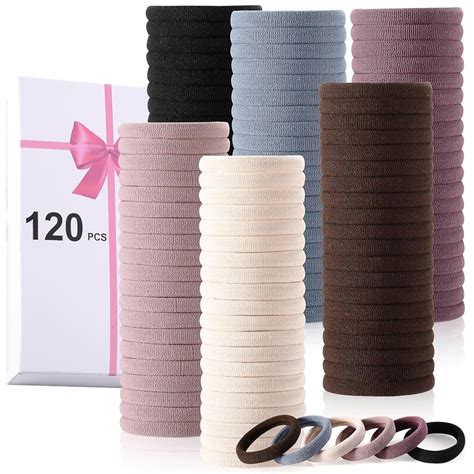
Many brands offer multipacks (for example, 25 or 40+ pieces) with a range of colors and thicknesses. Prices often start around the lower single-digits per pack when bought in bulk, with premium options featuring silk coatings or specialized designs.
Some popular configurations include:
- Thick-hair ponytail holders in neutral blacks or browns for everyday wear.
- Scrunchies with soft interiors to minimize tension on damaged or processed hair.
- Clear elastics for styles requiring high tension without visible bands.
- Silk or mulberry-silk scrunchies marketed for reduced friction and moisture retention.
How to compare products quickly
- Assess material: silk-coated, microfiber, or traditional elastic blends for balance between hold and hair health.
- Check width and thickness: wider ties for thick or curly hair; narrower for fine or short hair.
- Look for durability and ease of cleaning: silicone coatings or washable fabrics improve longevity.
- Consider maintenance needs: silk-based options may require more delicate care but offer the best glide.
- Read reviews for real-world performance, focusing on breakage, snags, and creasing reports.
Illustrative usage scenarios
Daily work commutes and gym sessions benefit from sturdy yet gentle ties that hold hair back without visible dents. For styling versatility, coil-style ties help you switch from ponytails to buns without creating noticeable creases. For delicate or processed hair, silk-skin scrunchies offer premium protection during extended wear and sleep.
How To Find YOUR Hair Type (Complete Guide)
Ultimately, the best cloth hair tie depends on your hair type, preferred styling, and budget. By prioritizing gentle materials, appropriate width, and easy maintenance, you can minimize damage, preserve hair health, and enjoy a secure hold throughout the day.