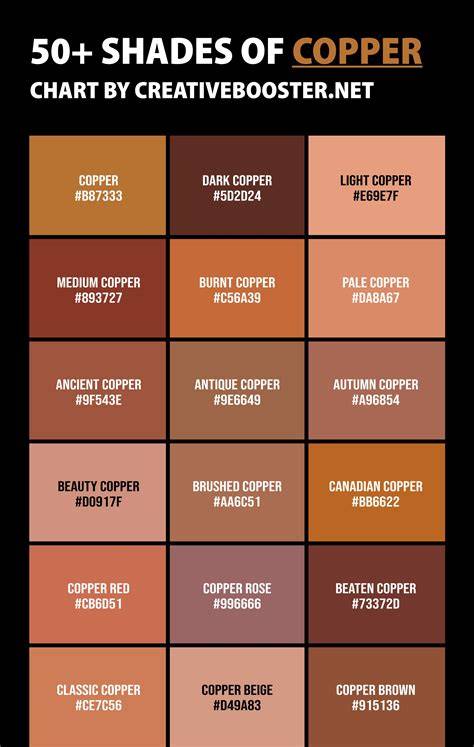
There are plenty of hair color trends to love, but if you ask us, a copper hair color is hard to beat. Even better, there are countless ways to make the shade your own. Whether you lean toward bold and vibrant or prefer something more understated, there’s a copper hair color to match your style.
What defines copper hair?
Copper hair is a rich, multi-dimensional color that features a blend of reddish-orange, gold, and brunette tones. Natural copper hair tends to be more prominently red, with subtle golden undertones. However, a copper hair color can take many forms. Depending on the specific formula used, it can range from a soft, almost rosy brown to a more intense, fiery red.
Between the two ends of the spectrum, there are numerous iterations of copper hair, from soft copper to bright copper bronde. Copper differs from other red-brown shades in both its vibrancy and undertones. It’s more vibrant than auburn, which tends to boast deeper crimson undertones. However, it’s deeper and slightly cooler than ginger, which is a bright, almost electric orange hue. There’s no objectively right or wrong copper hair color-choosing the best hue ultimately comes down to personal preference.
Choosing the best copper shade for your skin and undertones
Considering your skin tone and undertone can help ensure your color looks balanced and flattering rather than overwhelming. Typically, lighter, brighter shades of copper work well for those with fair skin tones. If you have deeper skin, you’ll often find that richer variations of the hue complement your features well. Undertones play an important role in determining your most flattering shade, too. Undertones are the subtle underlying pigments in your skin, and can be characterized as cool, warm, or neutral.
Matching like with like (warm undertones with golden or gingery hues, cool undertones with more muted, reddish-brown tones) tends to yield the most harmonious result. Not sure where you fall? Take a look at the veins on the inside of your wrist-bluish veins usually indicate cool undertones, greenish veins suggest warm undertones, and a mix of both points to neutral undertones.
You can also take an undertone finder quiz if you’re still not sure where you land. Warm copper hair boasts prominent red, orange, or gold tones and tends to be especially flattering on those with warmer skin tones. Like all red hair colors, it can be prone to fading, but a proper haircare routine can help maintain your color’s vibrancy, dimension, and shine.
Popular copper shade families
- Bright copper-colored hair is a stunning blend of light brown and fiery red. The vivid hue is bold and statement-making and stuns on fair and dark complexions alike.
- Cinnamon copper brown is a warm, reddish-brown hair color inspired by the spice we all know and love. The addition of red tones lends depth to a classic brown base-and makes this multifaceted hue truly striking.
- Pumpkin spice hair is nothing new, but we’ll never lose our love for this dimensional, autumnal hue.
- Natural copper-colored hair can range from warm strawberry blonde to a deeper, sultrier auburn, depending on your starting base color. The vibrant hue is rare-more so than brunette or blonde-and stuns on those with fair complexions.
- A dye like L’Oréal Paris Excellence Universal Nudes Permanent Hair Color in 7NR Natural Copper can help you make your foray into the sought-after shade with its gold, mahogany, and red pigments.
- This traffic-stopping blend of deep, cool red wine tones with warm copper highlights is not for wallflowers. The rich and fiery color is full of drama and shines when paired with equally attention-grabbing hairstyles like bouncy, voluminous waves.
- This version of copper brown hair features warm auburn highlights interspersed throughout a natural, smoky brown base. The soft, subtle blend is ideal for those looking to experiment with copper hair without veering too far from their base shade.
- If you want a big change and aren’t afraid to stand out, vibrant copper-colored hair is the way to go. This vivid, fiery orange-red hue is bursting with personality, and it’s one of our favorite ways to fully lean into the copper hair trend.
Cool copper tones
- Cool-toned copper hair features softer, more muted brown, bronze, and red tones. It’s ideal for those with cooler complexions seeking a sophisticated, less fiery copper.
- If you want to experiment with a copper hair color but aren’t ready to commit to a complete overhaul, consider trying a dark auburn hue.
- This cool-toned shade features a burgundy base blended with deep, cool-toned copper highlights, offering richness without skewing too warm.
- Brighten up mahogany by weaving cool copper and bright auburn highlights throughout for a multidimensional look.
- Bronze might be third place in official races, but we rank it as one of our favorite hair colors.
- Blondes looking to go red can soften the transition by taking sandy copper hair out for a spin. Light copper sits at the junction of blonde, red, and brown, making it an excellent option for natural blondes or those who prefer a lighter look.
Maintenance and color longevity
Maintenance for these shades can vary depending on your natural hair color and how light you go (generally, the lighter the shade, the more upkeep is required to keep it looking its best). If you’re in the mood for a beachy new look, there are several light copper shades to try, such as playful twists on the classic copper brown.
Red hair colors, including copper, are notorious for fading more quickly than other hues. To keep your color vibrant, limit heat styling, shower in lukewarm water, and use gentle, color-safe products in your haircare routine. You can also get a glossing treatment to help enhance color vibrancy between touch-ups (which should happen roughly every six to eight weeks).
Care routines and product recommendations
On wash days, lather up with a color-safe shampoo and conditioner duo designed for bond repair and color protection. A high-quality conditioner can help maintain shine and moisture, especially for color-treated hair. If you’ve lightened your hair to achieve your copper shade, there’s a chance you may be dealing with some damage. A conditioning regimen that includes bond repair can support stronger, more resilient strands.
Keep heat styling to a minimum and protect strands with a heat-protectant product when you do style. A glossing treatment can help restore luster and give a glassy finish. If you’re concerned about maintaining vibrancy, consider products that are specifically formulated for color-treated hair and incorporate strengthening and hydrating ingredients.
Copper ombre and balayage ideas
- Brunette roots flowing into copper highlights create a striking ombré with warmth and depth.
- Face-framing copper highlights or a money piece can offer drama without a full head of color.
- Vivid orange-red roots gradually lightening to a pinkish-toned copper in an ombré look can be head-turning.
- Burgundy copper ombré takes you on a true hue journey with rich, cool-to-warm transitions.
- Two-tone copper looks provide brightness without full commitment, especially when you want a lower-maintenance option.
Natural copper and broader context
Copper hair is best described as a red hair color with underlying golden, orange, or brunette tones. Some variations lean more orangey-red, while others are muted and closer to a warm brown. The amount of red, orange, and gold pigments in your color will determine how vibrant and warm the shade reads. Yes, some people naturally have copper hair, but it’s relatively rare-only about 2% of the global population has natural red hair, and copper is just one shade of many.
It’s most common in Northern Europe, particularly Ireland, England, and Scotland. Red hair colors, including copper, are notorious for fading more quickly than other hues. To keep your color vibrant, it’s a good idea to limit heat styling, shower in lukewarm water, and use gentle, color-safe products in your haircare routine. If you’re considering toning down brightness, a clarifying shampoo can help reduce vibrancy if needed, though it’s not designed for color-treated hair.
Removing hair dye after coloring can be tricky. If you’re simply looking to tone down the intensity of a too-bright copper hue, a clarifying shampoo may help, but use cautiously as it provides a deeper cleanse than standard shampoos and can affect color.