A cracked tooth, often a hairline fracture running through a tooth, can arise from trauma, grinding, biting hard objects, or gradual wear. Hairline cracks, sometimes called craze lines, are subtle fissures in the enamel that can evolve into more serious dental issues if left untreated. Early detection and appropriate treatment are key to preventing progression to cracked tooth syndrome, pulp involvement, or need for more extensive procedures.
What is a hairline fracture and how does it differ from other damage?
Cracked tooth syndrome refers to a specific condition where a crack causes intermittent pain, particularly when biting in a certain direction. Craze lines are tiny microfracture lines that may be visible but usually cause no symptoms. A chipped tooth loses a piece of its structure, while a broken tooth involves a larger fracture that can extend below the gumline and cause more acute pain. The type, depth, and location of the fracture guide treatment decisions.
Causes and risk factors
Cracks can form from teeth grinding (bruxism) and jaw clenching, trauma such as biting down on a hard object, or daily habits like ice chewing. Age-related wear and previous restorations also contribute. Sudden temperature changes in the mouth and heavy biting forces on molars increase fracture risk. Preventive measures and lifestyle adjustments reduce future risk.
Symptoms and diagnosis
Common symptoms include sharp pain when biting, sensitivity to hot or cold, and, sometimes, a visible crack or rough edge. However, symptoms may be absent or non-specific, making detection challenging. Dentists use visual examination, dyes, transillumination, and imaging to assess crack extent. A bite test helps determine whether a crack progresses toward the pulp or periodontal ligament.
Treatment based on severity and location
The appropriate treatment depends on the type, depth, and tooth involved. For minor, enamel-confined cracks, conservative approaches are often sufficient. More extensive fractures may require restorative or endodontic procedures to preserve the tooth.
Conservative and minor repairs
Dental bonding uses a tooth-colored composite resin applied to the crack, sculpted to match the tooth, and cured with light. Bonding is quick, preserves healthy tooth structure, and blends with the natural appearance, making it ideal for minor chips and superficial cracks. Durability is a consideration, especially on back teeth under heavy bite forces.
Dental fillings (composite resin) restore structure and seal the crack, particularly when decay is present within the crack. This approach helps prevent further bacterial invasion and progression of damage.
Definitive restorations for more substantial damage
Dental crowns cover the entire visible portion of the tooth, providing strength and protection to cracked teeth, especially molars or teeth requiring structural reinforcement after a fracture. Crowns are often recommended when cracking extends deeply or after root canal therapy. The procedure typically involves two appointments: tooth preparation and impression, temporary crown placement, then placement of the permanent crown.
Root canal therapy becomes necessary when the crack reaches the pulp, causing infection or inflammation. The procedure removes the pulp, cleans and shapes the canals, and seals them; a crown is usually placed afterward to protect the tooth. Root canal treatment is highly successful and aims to save the tooth rather than extract it.
Extraction and replacement
If a crack is so severe that restoration is not feasible, extraction may be the only option. Replacing the tooth promptly with a dental implant, dental bridge, or partial denture is important to prevent bite changes and bone loss. Implants are a gold standard for single-tooth replacement and provide a durable, natural-feeling result.
When to seek care promptly
Any crack, chip, or fracture warrants a dental evaluation, even if there is no pain. Early treatment is typically simpler, less expensive, and more likely to preserve the natural tooth. Call your dentist if you notice a visible crack, new sensitivity, or a rough edge on a tooth.
Protecting teeth from future fractures
Preventive steps include wearing a mouthguard during contact sports, addressing bruxism with a custom night guard, avoiding using teeth as tools, and maintaining regular dental checkups. Reducing bruxism and protecting cusps with crowns or onlays can help prevent crack propagation.
What happens if you don’t treat a cracked tooth?
Unaddressed cracks can progress from enamel to dentin and then to the pulp, necessitating root canal therapy or extraction. Bacteria can enter through cracks, leading to decay or infection and higher treatment costs later. Prompt intervention minimizes complications and preserves the tooth.
What you can do now if you think you cracked a tooth
Rinse with warm water and apply a cold compress to reduce swelling. Avoid delaying care. If you experience severe pain, swelling, or difficulty opening your mouth, seek urgent care. Your dentist will perform an exam, possibly use dyes or transillumination, and determine the best course of action.
Key types and prognosis of cracks (at a glance)
Throughout dental practice, several crack types are recognized, with prognosis varying by depth and location. Craze lines involve only enamel and have excellent prognosis. Fractured cusp, cracked tooth, split tooth, and vertical root fracture each have distinct implications for treatment and longevity. Early, appropriate intervention improves outcomes and helps preserve tooth structure.
In many cases, a cracked tooth can be saved with bonding, fillings, crowns, or root canal therapy when needed. The choice depends on crack position, depth, and the tooth's role in chewing. Regular checkups aid early detection and conservative management.
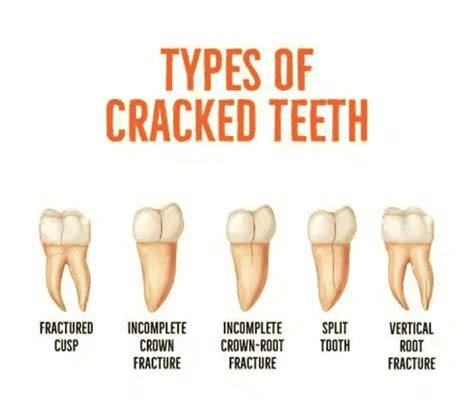
Understanding Cracked Tooth Treatment and Symptoms
For a broader perspective on dental care and to address hairline cracks, dental professionals emphasize not delaying treatment and considering preventive strategies like bite guards and protective crowns where appropriate.