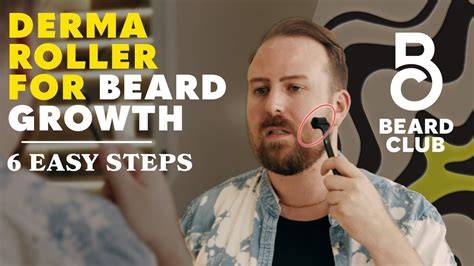
Microneedling with a derma roller may benefit beard growth, as it has benefits for hair growth and skin health. But it may also cause side effects. If your beard isn’t coming in as thick and full as you would like, you may be looking for ways to enhance beard growth. In recent years, many men have turned to derma rollers, devices that have been used to help treat acne scars, large pores, and wrinkles for many years. This process is known as microneedling.
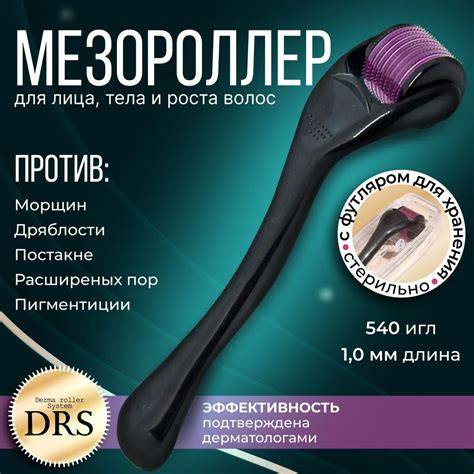
Microneedling uses rollers covered in tiny titanium or stainless steel needles to pierce the outer layer of skin to induce the production of collagen in the skin. Collagen consists of amino acids that hair follicle cells use to produce keratin proteins that promote hair growth and strength. Derma rollers - also known as “beard rollers” - may help improve hair growth in other ways, too. Especially when used with other products. Read on to learn more about derma rollers and some strategies for using them.
What the Evidence Suggests
The effectiveness of microneedling to improve skin health is well established. There has been some research noting microneedling’s success at promoting scalp hair growth, but there is little scientific study into how much derma rollers can help beard growth. A 2016 study, however, did suggest that minoxidil (Rogaine) may help beard growth slightly. A 2017 study also found microneedling had promise in the treatment of hair loss, especially when paired with other treatments like minoxidil and topical steroids.
In addition to activating collagen and keratin production, microneedling may help improve beard hair growth by boosting nutrient-rich blood flow to the area. Healthy circulation is necessary for healthy hair growth and healthy skin. A derma roller may also activate stem-cell growth factors.
How to Use a Derma Roller for Beard Growth
Risks
- Because derma rollers actually pierce the skin, there are some risks associated with them. Initially, you may notice some skin irritation - redness and inflammation - but these side effects should disappear after a few days. You may also have minor bleeding. If the bleeding is excessive, you may be pressing the roller too firmly against your skin.
The size of the needles on derma rollers varies. Larger needles (0.5 mm) should only be used once or twice a week. Smaller, 0.25 mm needles can be used more often. You will want to give your skin a chance to repair itself between treatments.
- Other tips for derma rolling include: When starting out, look for a derma roller with fewer, rather than more, needles on its surface. More needles on the roller mean a greater chance of pulling the skin. Wash your skin and beard before microneedling. Apply only as much pressure as you need to keep the needles on the surface of your skin. When microneedling your cheeks, it may help to fill each cheek with air, as you might do when shaving, to give the roller a firmer surface.
Roll the derma roller back and forth in horizontal and vertical lines, as well as diagonal lines in both directions for a consistent pattern throughout your beard. Avoid microneedling if you have acne, as this may further harm your skin and spread bacteria from blemishes to other parts of your face. Clean your derma roller after each use by dipping it in alcohol or spraying it with a sanitizing solution. Expect to replace your derma roller every few months.
You may need to try it yourself to see how much a derma roller can fill in some of those patchy areas of your beard. Keep in mind, however, that your genetic makeup and other factors beyond your control determine to a great extent the type of beard you can grow. To give your derma roller the best chance at success, consider using minoxidil on your beard once or twice a week, on days when you don’t use the derma roller. There hasn’t been considerable research in this area. A healthier body is more likely to produce a fuller beard.
Derma rollers have been shown to effectively promote hair growth on the scalp. Because there hasn’t been much clinical research into microneedling for beard growth, be wary when trying this treatment and have realistic expectations. If you do decide to use a derma roller for your beard, there are strategies you can try to maximize your growing potential.
Practical Timeline: What to Expect
There is no one-size-fits-all timeline for beard results with a derma roller. Some users report noticing improvements in pore texture, skin tone, and a perceived bump in beard fullness after several weeks, while others may require a few months of consistent use combined with proper skin care and supplementation. Because evidence specific to beard growth is limited, it's important to set realistic expectations and monitor your progress over time.
In practice, many users follow a routine of microneedling 0.25 mm needles a few times per week, with optional 0.5 mm sessions spaced out appropriately to allow healing. Some may pair sessions with topical minoxidil on alternate days, while others focus on healthy diet, hydration, and sleep to support hair growth. The key is consistency and gentle care to avoid irritation or injury.
How Long to Wait Before Applying Minoxidil After Dermarolling?
If acne or skin irritation occurs, pause treatment and consult a dermatologist. Prioritize clean tools, proper sanitation, and avoiding overuse, which can lead to inflammation or scarring. With cautious, informed use, a derma roller may contribute to a fuller beard for some individuals, especially when integrated into a broader hair-growth strategy.
Tips to Maximize Results
- Start with a roller that has fewer needles and gradually assess your skin response.
- Wash your skin and beard before microneedling and sanitize the roller after each use.
- Use the roller with controlled pressure and a systematic pattern to ensure even coverage.
- Avoid microneedling on active acne or inflamed skin to minimize the risk of infection and spread of bacteria.
- Consider pairing with minoxidil on non-rolling days if advised by a professional, and maintain overall skin health through a balanced lifestyle.
- Replace the roller every few months to maintain effective needles.
Table: Key Points at a Glance
| Aspect | Considerations |
|---|---|
| Needle size | 0.25 mm for frequent use; 0.5 mm for less frequent sessions |
| Frequency | 0.25 mm: multiple times per week; 0.5 mm: once or twice per week depending on tolerance |
| Preparation | Clean skin and beard; sanitize roller; gentle pressure |
| Pattern | Horizontal, vertical, and diagonal lines for even coverage |
| Post-care | Avoid active irritants on the day of rolling; keep skin clean and moisturized |
| Risks | Redness, inflammation, minor bleeding, infection risk with acne |
In summary, there is evidence that microneedling promotes hair growth and skin health through collagen production, improved blood flow, and potential stem-cell activation. However, rigorous research specifically on beard growth is limited, and results vary by individual. Realistic expectations, proper technique, and a holistic approach to hair health are essential for anyone considering a derma roller for the beard.