Indigo comes from the indigo plant, a shrub from hot regions whose exact origin is unknown. Today it is mainly found in Asia, but it is also cultivated all over the world. Indigo dye is one of the oldest pigments used in fabric dyeing, and it is also used today in plant-based hair coloring. Indigo powder provides a palette of colors ranging from light chestnut to deep black and helps to “cool down” a color that is too warm or coppery.
Indigo hair dye is an organic compound with a distinctive blue color. Indigo is a natural dye obtained from the leaves of some plants of the Indigofera genus, in particular Indigofera tinctoria. Indigo leaves contain indican, a colorless, water-soluble derivative of tryptophan, which, when processed, yields the blue indigo dye. The dye is insoluble in water and requires reduction to a soluble form in the dyeing process. The resulting color develops as the dye oxidizes in air.
How indigo works with henna for hair color
Henna and indigo are the most common dye plants used in plant-based coloring and they complement each other well: while henna adheres to the hair fiber and colors it, indigo adheres to the henna. Depending on the amount of indigo added, you can obtain tones ranging from light chestnut to dark brown. Always mix indigo with henna rather than using indigo alone, to avoid an unwanted bluish undertone.
To apply indigo henna hair coloring, it is recommended to first apply henna alone, then apply indigo in a second layer. This allows the hair to darken more clearly and better neutralize the coppery highlights of henna. For white or gray hair, double application often yields the most even and lasting coverage: apply henna first, then indigo as a second layer. If a balayage effect and transparent coverage of white hair is desired, indigo coloring can be used in a single application.
Care, safety, and professional guidance
Indigo hair dye is a natural, ecological option that coats the hair fiber and brings shine, often lasting longer than chemical coloring. To avoid damaging hair and preserve the natural indigo color, use a neutral, gentle shampoo such as Daily Clean from the Hairborist range and consider a pre-shampoo treatment like Renovator with a complex of essential oils to maintain radiance. For dark hair with indigo, specialty products like Aromactif Ebène can be suitable.
Indigo is not soluble in water, and the dyeing process requires careful handling to avoid staining skin and clothing. Historically, indigo has required chemical manipulations in the dyebath, and modern plant-based methods emphasize gentle application with attention to timing and layer order. Always consider seeking professional help from a Hairborist or a skilled colorist when attempting a botanical color transformation, especially for white hair or significant shade changes.
Historical and cultural context of indigo
Indigo has a long history across many cultures. The oldest known fabric-dyed indigo dates to 6,000 years ago in Peru. Indigo was widely used in Asia for centuries, and Europe imported indigo from Asia after direct trade routes opened in the late 15th century. In the 19th century, indigo production became dominated by synthetic methods, but natural indigo continues to be valued for plant-based coloring. Throughout West Africa, indigo underpinned centuries-old textile traditions, and indigo has appeared in Middle Eastern and North African dress and ceremonial textiles as a symbol of status and beauty.
Indigo is a pigment that is insoluble in water and becomes soluble only after reduction to leucoindigo, which then re-oxidizes to form the deep blue dye when exposed to air. The process and history of indigo production illustrate the interplay between natural dyes and industrial chemistry, including the evolution from botanical extraction to synthetic routes, and the enduring appeal of indigo in fashion and cosmetics.
Practical guidance for home coloring with indigo and henna
Indigo comes from the leaves of Indigofera tinctoria and related species. The green color indigo dye powder is produced by crushing and sieving dried leaves to ensure a fine powder. The indigo dye is then used in combination with henna to achieve various brown to black tones, depending on the amount of indigo added. For best results, apply henna first, then indigo as a second layer, especially for darkening existing hair or achieving deeper tones. If you have more than 30% white hair, a double application can help achieve even coverage, while a single application of indigo can be used for a balayage effect.
Indigo powder is 100% natural and can be packaged in resealable pouches for easy use. Where possible, choose products that are sustainably sourced and fairly traded. Indigo is often sold alongside other natural colorants like cassia obovata and amla, forming kit-based herbal color systems designed to be cruelty-free and free of synthetic additives.
Notes on color outcomes and maintenance
Indigo dye helps achieve blue-black to brown-black tones, with undertones that can range from burgundy to red depending on the henna base and the ratios used. Grey and white hair can darken to brown or black through the indigo layering process, and regrowth will appear less noticeable than with oxidative chemical dyes. After dyeing, rinse gently with a suitable color-safe shampoo and follow up with color-preserving care to extend the longevity of the natural color.
Additional context and terminology
Indigo carmine is a derivative used as a colorant in various products. Indigo is a natural dye obtained from Indigofera plants, with Indigofera tinctoria historically being the primary species for commercial indigo. The dye is a stable, blue-black pigment used in textiles and cosmetics; in hair coloring, it is best used in conjunction with henna to achieve rich, natural tones rather than attempting to color with indigo alone.
- Indigo is insoluble and requires reduction for dyeing.
- Henna colors hair fibers, indigo adds depth and cool undertones.
- Professional guidance improves color precision and minimizes risk of unwanted tones.
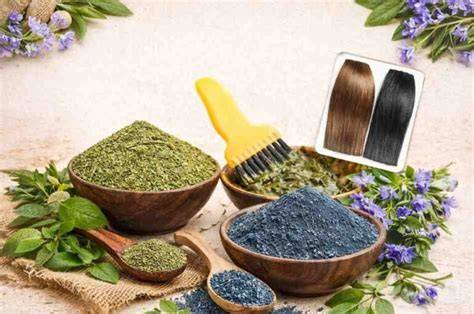
Indigo dye is originally from India and has played a significant role in global trade and fashion history. Indigo’s deep blue color remains iconic in denim and natural hair coloring, where botanical blends offer an eco-friendly alternative to chemical dyes. Renaissance Henna Indigo Hair Dye uses only indigofera tinctoria, with the powder prepared from crushed dried leaves and sieved to a fine consistency, ensuring a pure botanical color without additives.
Indigo for Hair: How to Properly Mix Indigo from a Natural Hair Coloring Expert
Indigo powder is a green dye option for those seeking a natural approach to darkening hair with minimal processing. The blend with henna can be tailored by a hair professional to achieve shades from chestnut to black, and double application can help cover silver strands more evenly. For white hair, a single indigo application can be used to create a subtle, darker shade without full coverage, depending on the desired look.