Seborrheic dermatitis is a dermatological condition that primarily affects the scalp and face. You may also notice symptoms like inflammation and scales on your ears. The exact cause of this chronic inflammatory condition is unknown, but the potential triggers are believed to include genetic factors, hormones, stress, excessive sebum production, and overgrowth of a yeast called Malassezia furfur. Shampoos containing selenium sulfide, antifungal agents like ketoconazole, pyrithione zinc, salicylic acid, coal tar, and essential oils are commonly used as first-line treatments to ease discomfort and control flaking. Medicated shampoos can help remove flakes and reduce symptoms, and some formulations contain conditioner to simplify hair care.
Among antifungal options, 2% ketoconazole is an anti-fungal shampoo that is effective for unknown reasons and is used 2-3 times per week to reduce the levels of the skin fungus. The OTC version is the 1% formulation (known as Nizoral) and can be used daily. Ketoconazole shampoos are well studied for dandruff and related conditions and may have mild anti-inflammatory properties. Once initial symptoms subside, many people manage their seborrheic dermatitis by using ketoconazole shampoos just once or twice a week. Ketoconazole shampoos are considered safe and do not irritate the skin like some other products.
Several non-ketoconazole medicated shampoos are widely available OTC. Selenium sulfide shampoos (for example Selsun Blue) target the scalp yeast and can reduce dandruff cells and itching when used as little as twice weekly. Shampoos containing pyrithione zinc (for example Head & Shoulders) offer antimicrobial and antifungal properties and help with inflammation and itch, with concentrations commonly in the 1-2% range. Salicylic acid-containing shampoos (for example Neutrogena T/Sal) aid in reducing scaling and inflammation, and are studied for seborrheic dermatitis, especially in combination with other treatments.
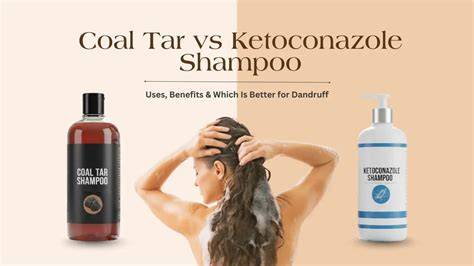
Coal tar shampoos, such as Neutrogena T/Gel, have anti-inflammatory properties and may reduce sebum production; however, evidence is less conclusive and research on its antifungal effects remains ongoing. Tea tree oil shampoos are popular alternatives due to antibacterial, antifungal, and anti-inflammatory properties, though they can cause dermatitis in some individuals. Other natural options include raw honey, coconut oil, and apple cider vinegar, which may offer soothing or antimicrobial benefits with varying levels of evidence.
When selecting a medicated shampoo, experimentation helps determine the best fit for your hair and scalp type. Shampoos come in various formulations for oily, dry, or curly hair, and many medicated products include conditioners to simplify routines. If persistent symptoms remain, consulting a medical professional is advised to tailor a treatment plan-sometimes combining medicated shampoos with other therapies yields the best outcomes.
Common medicated shampoos and key ingredients
- Ketoconazole 1% (OTC) - Nizoral Anti-Dandruff Shampoo; daily use; gentle on skin; may reduce Malassezia and inflammation.
- Ketoconazole 2% (prescription) - higher-frequency regimen (2-3 times per week) for more pronounced control of dandruff and seborrheic dermatitis.
- Selenium sulfide - Selsun Blue; reduces yeast levels and flaking; typically used 2 times per week, with some products allowing more flexible schedules.
- Pyrithione zinc (1-2%) - Head & Shoulders varieties; antimicrobial and anti-inflammatory properties; helps with itch and flakes.
- Salicylic acid (e.g., Neutrogena T/Sal) - reduces scaling and helps with buildup; often studied for seborrheic dermatitis and used in combination with other agents.
- Coal tar - Neutrogena T/Gel and similar products; anti-inflammatory and possible sebum reduction; requires caution due to photosensitivity and potential irritation.
- Tea tree oil - natural alternative with antifungal and anti-inflammatory properties; typically diluted in shampoos to reduce irritation risk.
- Other measures - essential oils (lemongrass, frankincense), raw honey, coconut oil, apple cider vinegar, and general scalp hygiene practices to help manage symptoms alongside medicated shampoos.
Practical usage tips
- Follow package instructions and alternate between different medicated shampoos if one is not effective, ensuring you do not overuse any product.
- Apply thoroughly to the scalp, lather, and let sit for a few minutes before rinsing for optimal contact time.
- Avoid alcohol-containing products and minimize styling products that can irritate the scalp during active symptoms.
- For infants with cradle cap or adults with dandruff, start with nonmedicated shampoos or gentle regimens before advancing to medicated options if needed.
- For persistent or severe symptoms, schedule a visit with a healthcare professional to consider prescription options or combination therapies.
Medicated shampoos sometimes come with conditioner as part of the formula, which can simplify routines by replacing separate shampoo and conditioner products. This can help prevent conflicting formulations and streamline treatment. If you are managing multiple symptoms or flares, a combination product with conditioner may be convenient, but verify how it fits your hair type and scalp needs.
Evidence and context for specific ingredients
Ketoconazole shampoos have robust evidence for dandruff relief and are commonly recommended for seborrheic dermatitis. The 2% formulation is prescription-based and used 2-3 times weekly, while the 1% OTC version (Nizoral) can be used more regularly. Ketoconazole shampoos are generally well tolerated and can aid hair growth when added to other hair loss therapies, though the primary benefit is controlling fungal overgrowth and inflammation rather than direct hair regrowth.
Selenium sulfide shampoos, such as Selsun Blue, target Malassezia species and reduce yeast levels, leading to fewer flakes and less itching. Pyrithione zinc-containing shampoos, such as Head & Shoulders, have antimicrobial and anti-inflammatory properties, helpful for itch and flaking, with common concentrations ranging from 1% to 2%. Salicylic acid shampoos address scaling and are studied for seborrheic dermatitis, with potential benefits when used alongside other treatments. Coal tar shampoos offer anti-inflammatory effects and may reduce oil production, though evidence of antifungal activity is less definitive and safety considerations apply.
Natural and alternative approaches, including essential oils, honey, coconut oil, and apple cider vinegar, can supplement medicated regimens but require careful consideration of skin sensitivity and potential irritation. Always monitor responses, particularly during first uses, to avoid adverse reactions.
The Science of Shampoo and Conditioner (sponsored by The Ordinary)
Choosing and combining medicated shampoos
Experimentation remains a practical approach to identifying the most effective medicated shampoo for your needs. Consider hair type, level of flaking, and itching when evaluating a product’s effectiveness. Some shampoos include conditioners, offering convenience, while others emphasize active ingredients over conditioning. For persistent issues, a clinician can help tailor a regimen that may involve cycling between products or combining therapies for optimal control of dandruff, seborrheic dermatitis, and related scalp conditions.