Nose hairs are a natural part of the human body, and everyone has them. Nose hairs help prevent potential allergens and other foreign objects from entering the nostrils. They also help keep air moist as it comes into the nasal passages. Although nose hairs are perfectly normal, some people find long hairs that protrude from the nostrils to be a source of embarrassment that they wish to remove. However, not all methods of nose hair removal are safe. Read on to discover the safest and most effective ways to remove nose hair.
Nose hair as a protective and functional feature
Nose hair is a natural part of the human body that serves as a defense system. Nasal hair keeps harmful debris out of the body system and maintains moisture in the air we breathe. Blood vessels in the nose and face are extra dense. In the nose, they support hair growth. Removing too much hair means that a person with seasonal allergies or asthma may be more vulnerable to allergens. Nose hairs also help to add and retain moisture in the air you breathe.
Safe and practical removal methods
Trimming nose hair is the safest and most accessible option for most people. Tiny scissors made just for this job are often included in grooming kits. Trimming nose hair allows you to slowly remove or shorten just the most visible nose hair without removing too much or hurting the delicate skin inside your nose.
To trim nose hair: Stand in front of a mirror with good light. Blow your nose first and clean out any hardened mucous that might get in your way. Hold the scissors firmly and tip your head back. Trim hair down to the skin. Blow your nose a few times after trimming to get extra little hairs out. Don’t rinse your nose with water. Don’t try to remove all nasal hair. Instead, focus on the thickest and most visible strands. An alternative way to trim your nose hair is with electric nose trimmers. Electric nose trimmers are made with rounded razors. You can purchase these at your local drugstore or online. Results from trimming your nose hair only last until the hair grows longer again. It’s not a permanent solution, but it’s the safest.
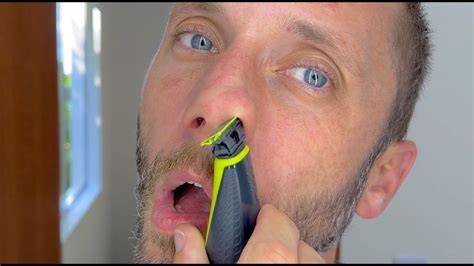
Nose hair trimmers can be manual or electric. Manual nose hair trimmers are small scissors with blunt or rounded ends. Electric trimmers are handheld devices with small, rotating cutting blades at one end. The blades sit inside a plastic or metal guard, which stops them from contacting the skin. Small slits in the guard allow longer hairs to enter the cutting mechanism below. The trimmers may be available separately or as part of a personal grooming kit. The advantage of nose hair trimmers is that they allow a person to shorten only one or two protruding hairs. As a result, the majority of hairs remain intact and able to protect the airways. The most significant disadvantage is that the hairs will grow back, requiring repeat trimming.
Waxing and plucking nasal hairs is generally not recommended. Pulling out individual hairs can lead to ingrown hairs and infection. Waxing, especially, could hurt the skin deep inside your nose. Using hair removal cream inside the nasal cavity is not recommended due to strong chemicals and the risk of inhaling toxic fumes or burning mucous membranes. In addition, using pointed scissors can puncture delicate mucous membranes inside the nostril, causing pain and infection.
Laser hair removal is another safe option for removing nose hair, though it is expensive and typically not covered by health insurance. Laser targets hairs that are visibly protruding from the nose and works by heating up and destroying the hair follicle at the root. Unlike trimming, laser provides a more permanent solution, but most people require at least six sessions for meaningful results. It is crucial to have laser hair removal performed by a board-certified dermatologist or cosmetic surgeon, and to undergo a consultation before proceeding. During the consultation, ask about expected results, number of treatments, costs, possible side effects, risk factors, and preparation steps. Before-and-after photos of the practitioner’s clients can also be requested.
Considerations and potential complications
Possible complications of removing nose hair include pain, ingrown hairs, and damage to mucous membranes inside the nose. An ingrown hair can present as tiny bumps that may be painful and inflamed. If an ingrown hair occurs, stop hair removal until it clears up, use a warm, wet washcloth to clean the area, and consider a sterile needle to lift the hair. If symptoms worsen or infection develops, seek medical attention.
Depilatory or hair removal creams are not recommended for nasal use. These products are very strong and can burn mucous membranes or be inhaled as toxic fumes. If you’re exploring non-trimming options, remember that trimming and laser hair removal are generally considered safe when performed correctly. The nose is a small, sensitive cavity, making it one of the more challenging areas for laser treatment, so choose an experienced professional and ensure proper facilities.
If you don’t want your nose hair to be very visible, there are safe methods to reduce it without compromising function. Nose hairs serve important roles in filtering and moisturizing the air, and the protective function should be respected. Target only the most noticeable strands and avoid overdoing hair removal.
Historical and cultural notes
Historically, practices such as hair singeing have been described in various sources, though not endorsed as standard modern cosmetic advice. While some individuals may experiment with unconventional methods, contemporary guidance emphasizes safe trimming and professional laser options when appropriate.
Practical guidance summary
- Prefer trimming (manual or electric) as the first option for safety and ease.
- Consider laser hair removal for a more permanent solution, only after consulting a board-certified specialist.
- Avoid depilatories, waxing, plucking, or sharp-pointed scissors inside the nostrils due to injury risk.
- Recognize nose hairs perform essential protective and moisturizing roles; trim only the visible hairs.
- Be aware of potential complications and seek medical advice if pain, infection, or suspicious symptoms arise.
Infographic idea: comparison of trimming vs. laser vs. other methods, including safety tips and cost ranges.
Permanent Hair Removal for Nose | Laser Treatment Explained by Dr. Jagdish Sakhiya
Video idea: expert discussion on indications, risks, and what to expect from laser nose hair removal.