Hair follicle drug tests involve removing a small hair sample for laboratory testing. Results can show if a person has been using certain drugs or prescription medications in the previous 3 months. It can detect cannabis, amphetamines, and more. A hair follicle drug test can determine patterns of illicit drug use or prescription medication misuse over a certain period - typically 3 months for hair samples that come from a person’s head. Testers can use hair follicle tests to check for a specific drug, or they can test a single hair sample for several different drugs or drug classes.
During hair follicle drug testing, scissors are used to remove a small sample of hair. The collector obtains a 100-milligram sample of hair (90 to 120 strands) cut at the scalp. Hair is collected as close to the scalp as possible, near the hair’s root, to provide information about recent drug use. Hair samples can come from the armpit or face if head hair is unavailable, and a person’s hair must be at least 0.5-1.5 inches in length. If someone shaves their entire body, a usable sample may be difficult to obtain.
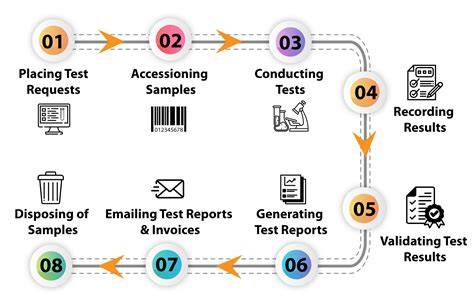
A hair follicle drug test can take place in a healthcare setting or laboratory, a workplace, or at home. After collection, the sample is packaged according to kit instructions and sent to a laboratory for testing. The hair is washed prior to testing to remove external contaminants, and specialized washing helps minimize false positives. A two-step process is used to ensure accuracy: an initial enzyme-linked immunosorbent assay (ELISA) screening, followed by confirmatory chromatographic testing such as gas chromatography-mass spectrometry (GC-MS) if the ELISA is positive.
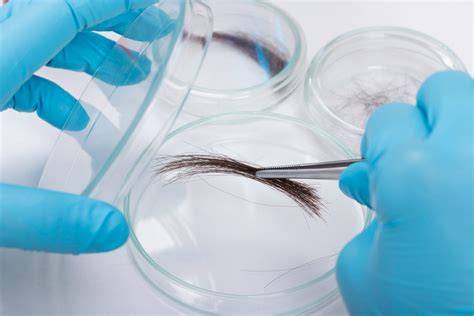
Results for hair follicle tests are generally reported as positive or negative. If the ELISA screening is positive for a substance, confirmatory testing helps rule out false positives. A positive result with confirmatory testing means that the laboratory confirmed the presence of specific drug metabolites in the hair sample. If the hair sample is contaminated or testing goes awry, the result may be inconclusive, and a new hair sample may be required.
Hair follicle testing can detect drug use over the past 3 months, but it cannot pinpoint the exact date of use because hair growth rates vary among individuals. The test is not 100 percent accurate; several factors can influence results, including drug structure, quantity consumed, sweating, melanin content in hair, and hair treatments. Bleaching or coloring hair, certain shampoos, and environmental exposures can affect concentrations and interpretation.
Environmental exposures, such as secondhand smoke, can cause positive results in rare cases. Hair color can bias results, with darker hair sometimes showing higher concentrations for certain drugs due to melanin binding. Hair treatments like coloring, relaxing, or bleaching may alter concentrations. However, routine shampoos and styling products typically do not invalidate results.
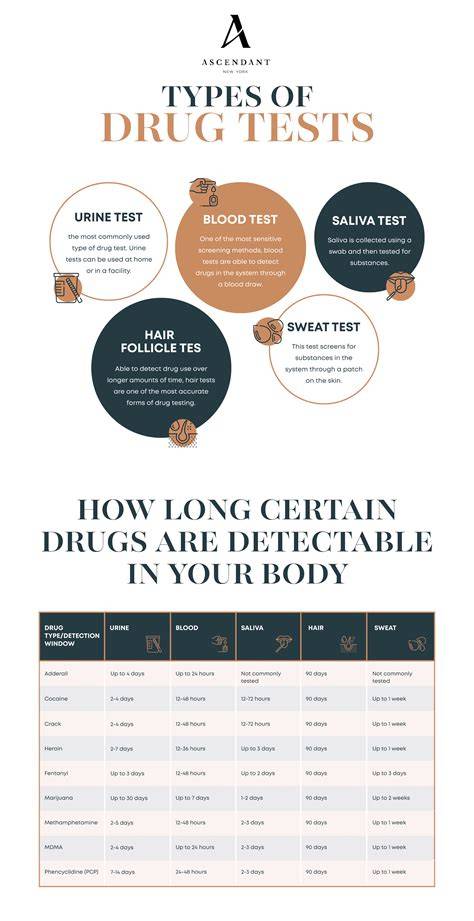
Drugs that the test can detect include cannabis, amphetamines (including methamphetamine), MDMA (ecstasy), MDEA (eve), cocaine, opiates (such as heroin, codeine, morphine), and phencyclidine (PCP). The window of detection is longer for hair than for urine tests, which makes hair testing useful for identifying long-term patterns rather than recent use. A 2017 study suggested that urine tests detect more recent use, while hair tests identify longer-term exposure, implying hair tests are better for chronic use assessment.
Home testing kits are available online, offering a range of panels and varying costs. Packages testing for multiple drugs often cost less than $100, though employer-ordered or institution-ordered testing may differ in price. In some cases, health insurance may cover hair follicle testing for medical purposes. Employers who require testing typically bear the costs, including time off work for the employee.
For individuals without scalp hair, body hair can be used, though longer samples may be necessary. Hair length requirements are typically 0.5-1.5 inches; shorter hair may require more hair to be collected. It is possible to collect samples from head, armpit, or other unshaven areas if needed.
Compared to urine testing, hair follicle tests offer a larger detection window and are harder to tamper with in a laboratory setting. It is more difficult to adulterate a hair sample or substitute it compared with urine samples, which can be tampered with more easily. As a result, some institutions use hair testing as a complementary approach to traditional urine-based testing, particularly to identify long-term patterns of drug use.
The testing process involves a two-step approach to minimize false positives: an initial immunoassay screening and a confirmatory GC-MS or equivalent test. The results may be impacted by environmental exposures, hair composition, and consumer hair products. In some cases, results can be inconclusive, requiring new sample collection or follow-up testing.
Head-to-head comparisons with urine tests show distinct strengths: hair testing offers a longer detection window (up to about 90 days with scalp hair, versus urine’s hours to weeks) and is less prone to tampering in a clinical setting. Urine tests tend to detect more recent use and may have higher sensitivity for certain substances, but they capture a shorter window.
In practice, hair follicle testing is used in employment screening, legal and medical contexts, and some academic or corrective settings. When used appropriately, it helps identify chronic exposure and patterns of misuse or compliance. Doctors and testing programs may require written consent, and the specific testing method and panel influence interpretation and outcomes.
Official guidance and guidelines from professional organizations, including the Society of Hair Testing and related bodies, emphasize standardized collection, washing, and analytical procedures to reduce variability and improve reliability. Laboratories such as Labcorp provide screening with immunoassay and confirmatory mass spectrometry, and results for negative specimens are typically available within 48 to 72 hours after receipt.
People taking prescription medications should disclose this information to the tester or employer, as certain legally prescribed drugs can influence results. In cases of a positive result, healthcare providers may explore the patient’s health status, potential substance use disorders, and overall safety considerations. Follow-up testing and counseling may be indicated based on the context and purpose of testing.
- Hair follicle testing provides a long-term view of drug exposure, often spanning about 90 days with scalp hair.
- Two-step testing (immunoassay screening followed by confirmatory GC-MS) reduces false positives.
- Detection windows and results can be influenced by hair color, treatments, and environmental exposures.
- At-home kits offer convenience, but professional interpretation remains important for legal or medical decisions.
Key takeaways: Hair follicle tests can reveal past three months’ drug exposure, are more challenging to tamper with than urine tests, and involve a rigorous two-step testing process. They’re useful for assessing chronic use and patterns over time, rather than pinpointing exact dates of use.
If you’re considering a hair follicle test, discuss the purpose, possible results, and implications with the testing administrator or healthcare provider. Understanding the window of detection and the factors that can affect results will help set realistic expectations for interpretation.
Hair Follicle Testing With Dr Dixon
Results interpretation and next steps
Negative results indicate no drugs or drug metabolites were detected in the hair sample. Positive results indicate the presence of drug metabolites confirmed by a laboratory method, while inconclusive results may require a new sample collection or retesting. In the context of employment, medical, or legal scenarios, results inform decisions about safety, treatment needs, or compliance with regulations.
Hair follicle testing can offer a broader history of drug exposure than urine testing, but it cannot precisely date when drug use occurred. The reliability of results depends on the testing protocol, lab quality, hair characteristics, and adherence to collection procedures.
For more information on methodological standards and regulatory guidelines, researchers and practitioners refer to peer-reviewed studies and guidance from authority bodies. This background helps interpret results within the context of each individual case and the testing purpose.