Experiencing pain or discomfort in the eyelashes can be distressing and may prompt individuals to engage in behaviors like pulling or rubbing their eyelashes in an attempt to alleviate the sensation. However, understanding the underlying reasons for eyelash pain and adopting appropriate remedies is essential for preserving eye health and addressing the discomfort effectively.
Common causes of eyelash pain
Eyelash pain can stem from various conditions and factors, including inflammation, allergic reactions, and obsessive pulling of eyelashes. Each of these present certain unique issues and complications.
Eyelash folliculitis and blepharitis
Inflammation of the hair follicles along the eyelid margin, known as folliculitis, can lead to pain, redness, and swelling around the eyelashes. An inflammatory condition affecting the eyelid margins is blepharitis. Blepharitis can cause itching, irritation, and eyelash discomfort, often accompanied by crusting and flaking of the eyelid skin.
Trichotillomania and why do my eyelashes hurt until I pull them out?
A psychological disorder characterized by compulsive hair-pulling called trichotillomania may manifest as a tendency to pull out eyelashes in response to stress, anxiety, or emotional distress. This consistent pulling of the lashes can quickly lead to problems and pain.
Allergic reactions
Allergies to cosmetics, eye makeup, or environmental allergens can trigger eyelash pain, itching, and swelling, prompting individuals to seek relief through eyelash manipulation. This may be in the eyelid, conjunctiva, or a combination of both.
Complications of pulling out eyelashes
While pulling out eyelashes may temporarily alleviate pain or itching, this behavior can lead to several complications. Pulling out eyelashes can introduce bacteria and contaminants to the delicate eye area, increasing the risk of infection and inflammation. Repeated pulling can damage the hair follicles and impede the natural growth cycle of eyelashes, potentially resulting in sparse or misaligned lashes. Engaging in hair-pulling behaviors like trichotillomania can have psychological consequences, impacting self-esteem and mental well-being. Given the many concerns with eyelash pulling, it is not recommended to pull eyelashes at home.
Remedies for eyelash pain
To address eyelash pain effectively and avoid the detrimental effects of pulling out eyelashes, consider the following remedies. If you experience persistent eyelash pain or discomfort, seek evaluation by an eye doctor to determine the underlying cause and receive appropriate treatment. This treatment may include the surgical epilation, or pulling, of the eyelashes in a sterile and safe manner.
Regularly clean the eyelids and lashes with a gentle, preservative-free eyelid cleanser to help reduce inflammation and alleviate symptoms. Lubricating eye drops or artificial tears can soothe dry, irritated eyes and alleviate discomfort without resorting to eyelash manipulation. Always refrain from pulling or rubbing your eyelashes, as this can exacerbate irritation, compromise eyelash health, and worsen underlying conditions. If eyelash pulling is due to stress or is a coping mechanism, address the underlying stress that is leading to the need to pull the eyelashes.
Persistent eyelash pain should not be ignored, as it may indicate an underlying eye condition that requires medical attention. By consulting with an eye care professional, individuals can receive an accurate diagnosis, tailored treatment plan, and guidance on managing eyelash pain effectively while safeguarding ocular health. Our eye doctors at Neal Eye Group in Conshohocken, PA excel in the prescription of contact lenses, glasses and various eye diseases. Call our optometrists at (610) 828-9701 or schedule an appointment online if you would like to learn more about why your eyelashes hurt?
Other common eyelash and lash-line issues
Eyelashes are one of the most important parts of your face. They help you to look more attractive, giving you a better look. But sometimes, this part of your face goes through pain and tears. There are many people out there who experience the pain of lashes damaging their eyes due to various reasons.
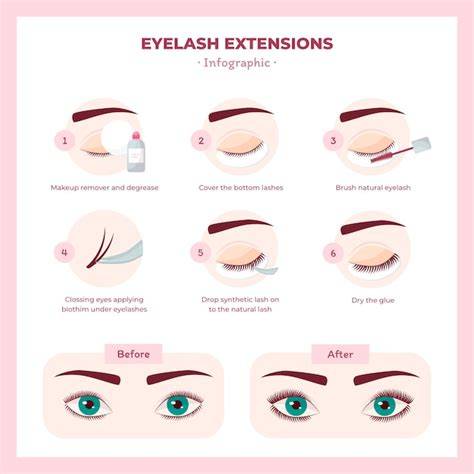
- An eyelash extension is a cosmetic procedure that involves growing out your own natural lashes with synthetic ones. Many women consider eyelash extensions to be a great way to add length and volume to their natural lashes.
- Ingrown eyelashes are a common medical condition. They occur when the eyelash grows into the eyelid and becomes trapped. It can also cause inflammation, redness, and discomfort.
- Blepharitis is the inflammation of the eyelid margin. In other words, it’s a red, swollen area around the outer edge of your lid. The good news is that blepharitis has many effective treatments available from your doctor or pharmacist, including antibiotics and topical medications such as corticosteroids.
- A stye is an infection of the oil glands in the eyelid that causes swelling, redness, and tenderness of the upper inner eyelid. The most common cause for styes is bacteria or a virus.
- The most common causes of eyelash pain are mites and lice. Mites are tiny insects that live in the sebaceous glands near the eyelashes. They feed on the oil found in this area, causing irritation and inflammation. Lice are parasites that infest human hair follicles, spreading through close contact or via contaminated clothing or bedding.
- Entropion is a condition in which your lashes rub against the inner corner of your eye socket when you blink. This happens because the eyelashes grow inward instead of outward, like they’re supposed to do, causing them to press against the sensitive skin inside your eye socket.
- Eyelash ptosis is a condition where the eyelashes droop or fall out. It’s caused by an imbalance of the muscles that control the eyelid and the muscle that lifts up the eyelid. This condition may make your eyes look smaller and give you a tired or sad appearance. You may have some discomfort or pain when blinking or opening your eyes wide.
If your eyelash pain persists, see a doctor. You should also get medical help if you have eye pain, vision changes, increasing redness, persistent swelling, or difficulty opening your eyes.
Practical care and prevention
To avoid conditions that cause eyelash pain, follow these lifestyle practices: remove crusts on your eyelids every day with mild soap and water, wash hands before handling contact lenses, avoid wearing them if eyes are irritated, use hypoallergenic eye makeup, replace old makeup regularly, and wash off makeup before sleeping. Limit or avoid using eyelash extensions. If symptoms persist, seek professional guidance. Home care may include warm compresses and lid hygiene; some clinics offer advanced therapies like OptiLift by Lumenis, combining IPL and radiofrequency to support eyelid function and oil flow.
In all cases, early evaluation by an eye care professional helps tailor treatment, prevent complications, and safeguard ocular health.