Dyeing your hair is among the easiest ways to change up your go-to look. While blonde, black, and brown are all pretty colors to dye hair, there are plenty of unexpected hair color ideas you can try if you’re up for a drastic change. Whether you’re considering going pastel or feel like experimenting with vibrant neon brights, there’s a way to make unconventional hair colors work for you. From all-over color to peekaboo highlights, there are countless ways to experiment with fantasy color.
Bold yet wearable color ideas
Copper hair is a fun hair color idea because it’s so customizable-there are countless ways to wear it. But for a bold look, nothing beats a vibrant metallic copper hue. Even better? You can DIY this statement-making look at home with the right hair dye. If you’re on the hunt for cool hair color ideas that flatter deeper skin tones, consider magenta. This vibrant hue blends deep pink and cool purple tones to create a vivid shade that pops against deeper complexions. For a high-contrast, high-impact look, try a color-blocked style. To nail this trend, you’ll need two hair dyes: a high-lift bleach and a black hair dye. Create a middle part down the length of your head to split your strands into two equal sections, then bleach one half and dye the other black.
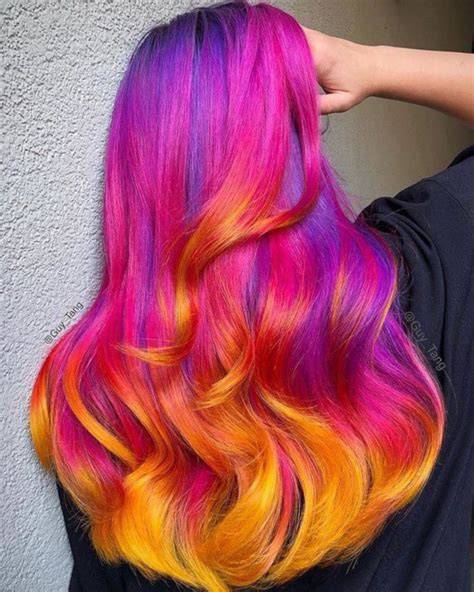
Take inspiration from your daily ‘fit with this dark denim blue hair color. The blue overtone adds vibrancy and interest, while the ashy brown undertone keeps the color surprisingly wearable. For a fun departure from your signature shade, take a rich teal hair color out for a spin. This fantasy hue combines rich green and bright blue tones for a multi-dimensional shade that catches the light beautifully. If you have dark hair and aren’t willing to commit to monthly root touch-ups, ask your colorist for a root smudge.
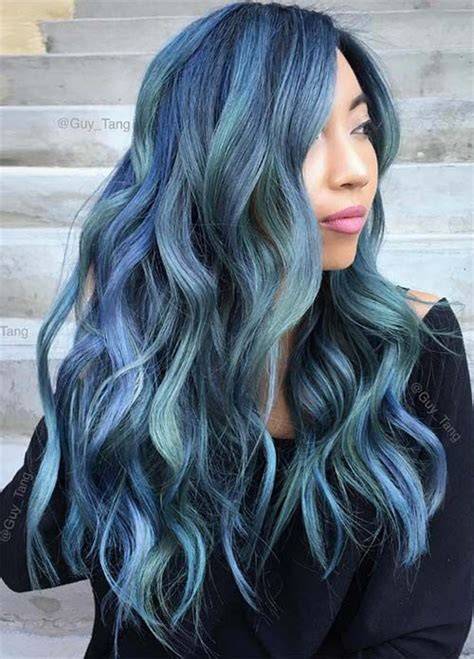
For a subtler fantasy take, an irresistible blend of deep violet and cool brown tones creates a dessert-inspired hair color. The dark hue reads nearly black in low lighting but reveals vibrant purplish undertones in the sun. If dark colors aren’t your thing, lean into pastels with a pale lavender hue. Calico hair-high-contrast blonde, copper, auburn, and black highlights-is a bold trend that proves sometimes more is more. Balayage, a hand-painted technique, creates a turquoise twist for a fun, lived-in look.
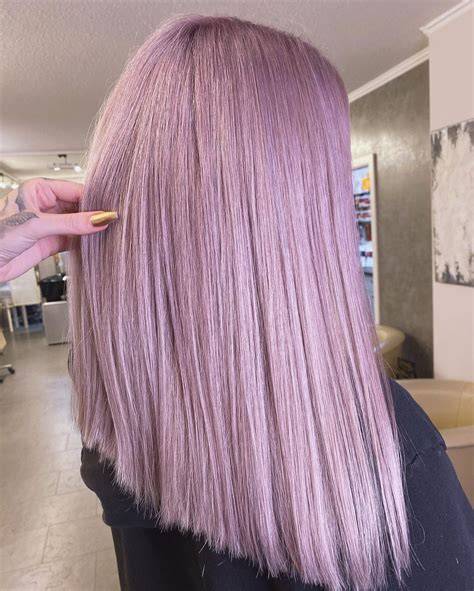
Smarter, softer options for low-commitment changes
Platinum money pieces offer a low-commitment way to refresh your look: a few icy strands near the face work with virtually any base color and skin tone. For a practical, wearable approach, an ombre or sombre transition can be tailored to your base shade, gradually lightening toward the ends. If you’re unsure about bleaching, a smoky silver hue provides a gray transition that can look chic and modern on many undertones. For a bold yet not overwhelming start, rainbow highlights let you experiment with multiple shades without committing to one full head of dye.

Two-tone and balayage techniques
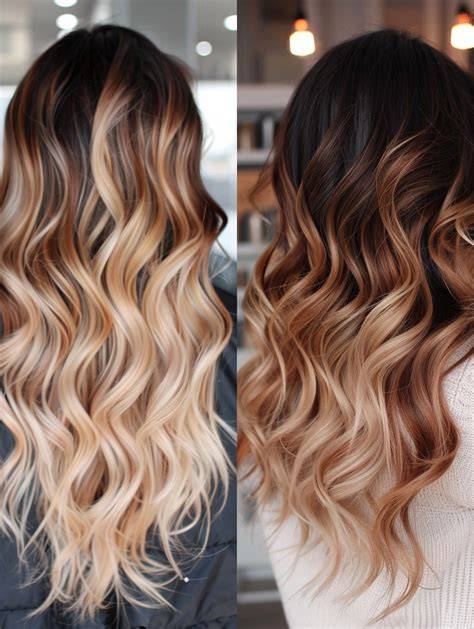
Balayage is a technique that involves freehand painting to create a softer, more natural gradient compared to traditional foils. It’s low-maintenance and blends beautifully with many base colors. Traditional highlights use foils for precise color placement, while babylights mimic natural fine highlights for a delicate boost. Lowlights add depth to reveal the natural color’s beauty, especially on curls or fine hair. Ombre means “shaded” in French, with roots darker and tips lighter; sombre is a softer version suitable for shorter hair.
Two-tone colorings aren’t limited to pastels or brights; classic ombre or balayage can be paired with a spectrum of shades to match your complexion. For a truly modern twist, the color-melt technique creates a flawless gradient with no visible delineation between shades-similar in concept to tortoiseshell, a blend of gold and chocolates throughout the hair.
Skin tones, undertones, and color selection
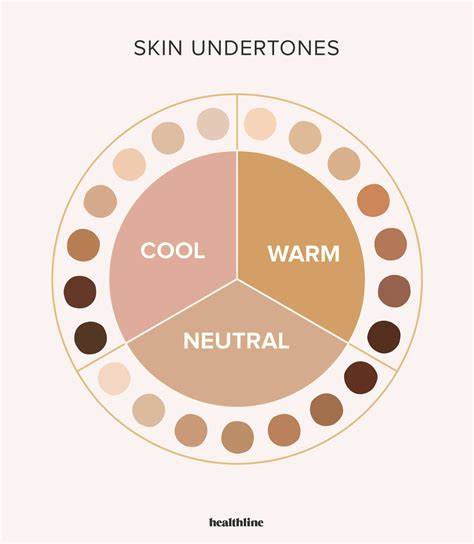
Before you choose a color for your hair, consider which colors best suit your skin tone and complexion undertones. The easiest way to determine undertones is to look at the veins in your wrist and test white and beige or off-white fabrics in natural light. Warm undertones usually pair well with gold jewelry and warmer hues, while cool undertones tend to look best with cooler shades. Straight hair handles a wider range of styles, including tie-dye and rainbow looks, while curly hair can glow with bold highlights and lowlights that add dimension. For gray hairs, a smoky silver can be a graceful transition instead of full coverage right away.
Care and maintenance for colored hair
Caring for brightly colored hair requires special attention to maintain vibrancy and minimize damage. Coloring can be damaging, especially if bleaching is involved. To keep locks healthy, swap to color-safe, sulfate-free products and consider a dedicated color-protecting routine. Use a gentle cleansing routine and avoid hot water which accelerates color fading. When you need shine, at-home glossing treatments can seal the cuticle for several days of gloss. If you must use heat tools, always apply a heat protectant first.
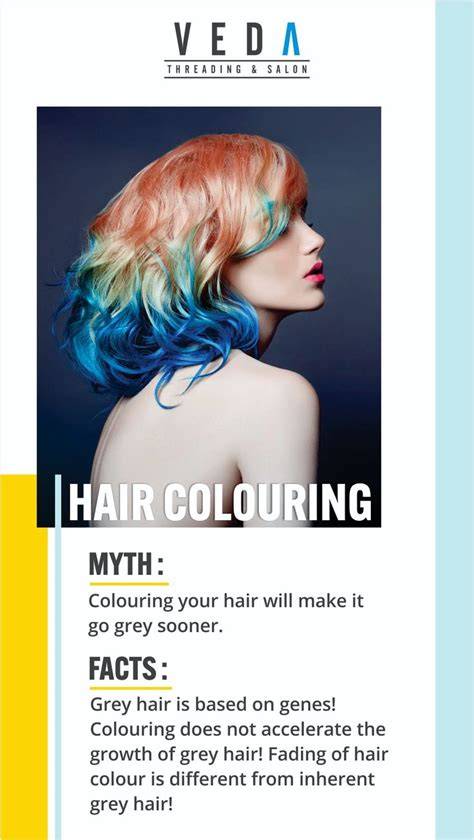
Shampoos and conditioners designed for color-treated hair help preserve hue, while avoiding products with harsh sulfates protects moisture. The myth that colored hair always falls out is debunked; genetic and hormonal factors are the main causes of hair loss, though over-processing can cause temporary shedding and breakage. A professional can help when you want a dramatic lightening or color correction, but many at-home approaches are viable with patience and careful technique.

At-home dyeing: practical steps and tips
Many people color their hair at home to save time and money, and with the right steps, you can achieve salon-worthy results. Start by choosing a shade slightly darker for permanent dyes to account for strong developers, or slightly lighter for semi-permanent formulas. For longer or thicker hair, two boxes of dye may be necessary for full coverage, and avoid metal bowls as they can react with the dye. Consider your hair texture: coarser, curly, or frizzy hair may require warmer tones and a shade lighter than your natural color, while finer hair responds to cooler tones and slightly deeper shades.
Sectioning is key to an even result: create a middle part and divide into four sections, using clips to keep them neat. If staining the scalp is a concern, apply barrier products like Vaseline around the hairline. For practical application, use separate bowls and brushes for bleaching and coloring, and wear gloves to protect your hands. A wide-tooth comb can help feather color onto highlights and prevent patchiness. When finishing, leave the hair down during processing to ensure even color distribution, and rinse with cool water to help lock in shade.
Myths, safety, and aftercare
Reports that dyeing hair causes hair loss are myths; hair loss is typically due to a genetic condition like androgenetic alopecia. Chemical processing can damage hair if overdone, hence the emphasis on conditioning and minimizing heat. Even pregnancy considerations allow dyeing with precautions, such as avoiding scalp contact and opting for balayage or ombre techniques to minimize exposure. Always test color on a small strand before full application to avoid unexpected reactions. Two-tone dyeing isn’t limited to bold colors; it can be a simple gradient that suits many outfits and skin tones.
Which techniques suit you best?
Highlights, balayage, ombre, sombré, babylights, and lowlights offer different levels of contrast and maintenance. If your goal is small changes with quick refreshes, money pieces or subtle foils can brighten your face without a full color overhaul. For a dramatic, fashion-forward look, consider a nebula of colors or a rainbow highlight-held together by careful backstage planning and smart maintenance. No matter the route, there are endless options to experiment with color while protecting the health of your hair.
Helpful resources and tools
Glossing treatments and color-preserving shampoos help maintain vibrancy. A salon-grade approach can be emulated at home with the right products, though some transformations may benefit from professional expertise. Always start with a clear plan, gather your supplies, and enjoy the process of discovering your next hue.
| Technique | Best for | Notes |
|---|---|---|
| Balayage | Low maintenance, natural gradient | Freehand application |
| Ombre | Root-to-tip color fade | Longer looks work best |
| Highlights | Brightening and dimension | Foil or free-hand options |
| Color-block | Bold, high-contrast looks | Requires precise sectioning |