The global laser hair removal market is experiencing an unprecedented boom, driven by advancing technology, expanding consumer demand, and a shifting perception of aesthetic treatments from luxury to routine. This article weaves together a detailed overview of Sciton laser hair removal within the broader landscape, drawing on established industry trends, device innovations, safety considerations, and market dynamics to illuminate how Sciton’s approach fits into current practice and how it compares with other leading systems.
Market context and technology trajectory
The laser hair removal industry is undergoing a significant transformation into a mainstream aesthetic procedure. Innovation in laser technology-especially multi-wavelength platforms and higher-speed, higher-precision systems-has expanded treatment reach across Fitzpatrick skin types I-VI and diverse hair colors and depths. Multi-wavelength platforms, combining wavelengths such as Alexandrite 755 nm, Diode 810/808 nm, and Nd:YAG 1064 nm, enable practitioners to tailor treatments to individual patient characteristics, increasing efficacy and safety across a broad patient base. Increased speed and power, along with all-in-one platforms that pair hair removal with other aesthetic services, are shortening chair time and expanding clinic throughput.
Market projections underscore strong growth: estimates range from approximately $904 million in 2022 to about $3.25 billion by 2030 (Fortune Business Insights), with CAGR in the high teens, while other analyses propose related but conservative baselines around $1.46 billion by 2030. These trajectories reflect rising aesthetic demand, broader acceptance across genders and ages, and persistent clinical interest in durable hair reduction solutions.
Key players and device innovations
- Candela Medical leads with a diversified legacy in aesthetic devices, anchored by the GentleMax Pro-an Alexandrite 755 nm and Nd:YAG 1064 nm dual-wavelength system that covers a wide range of skin types. The 2022 GentleMax Pro Plus expanded peak power and throughputs, contributing to faster treatments and broader clinical adoption.
- Cynosure offers a broad portfolio and global reach, emphasizing clinician-driven innovation and reliable performance across multiple device families. The company’s market footprint reflects its emphasis on high-quality engineering and comprehensive aesthetics solutions.
- Sciton is recognized for its Forever Bare BBL approach to hair removal, leveraging Broad Band Light (BBL) to target hair follicles with controlled flashes of light. Its technology emphasizes speed over large areas and effective cooling to enhance comfort and safety.
- CPMT Laser (Canadian Pioneer Medical Technologies) represents an emerging North American innovator, with the Nemesis quadruple-wavelength platform offering a versatile approach that combines four wavelengths (755 nm, 808 nm, 1064 nm) and multiple handpieces for broad hair removal coverage across skin types I-VI.
In practice, the most effective laser hair removal strategies increasingly rely on multi-wavelength capabilities, low-pain delivery, and robust safety systems. The Sciton Forever Bare BBL exemplifies a patient-friendly approach with rapid treatment speed and large-area coverage, while the CPMT Nemesis platform signals a push toward maximal wavelength versatility within a single device. Lumenis Splendor X with BLEND X technology has advanced cooling and a synchronized dual-wavelength approach, expanding suitability for varied skin tones and reducing the need for topical anesthetics in many cases.
Sciton: technique, benefits, and safety considerations
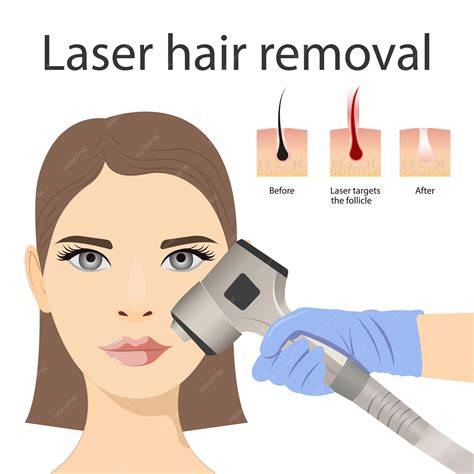
Sciton’s Forever Bare BBL modality applies controlled flashes of light that are absorbed by hair follicle pigment, damaging the follicle and disrupting the growth cycle. The result is gradual hair reduction across treated areas, with multiple sessions typically required to achieve optimal outcomes. A notable advantage of Sciton’s approach is the large spot size in BBL applications, enabling quicker coverage of backs, shoulders, abdomens, and legs compared with smaller-spot devices.
Compared to diode- and Nd:YAG-based systems, Sciton’s BBL/photothermal approach emphasizes comfort and broad applicability, though it may require more sessions for some patients than high-peak-power diodes in certain skin types. As with all laser-based hair removal, treatment plans should consider hair color and density, skin type, and the patient’s growth cycles to maximize effectiveness.
Safety and patient comfort are central to Sciton’s offering, with built-in cooling strategies and careful parameter customization. Practitioners adjust energy, pulse duration, and repetition rate to balance efficacy with tolerability, particularly for sensitive areas or individuals with lower pain thresholds. Pre- and post-treatment care emphasizes sun avoidance, protection from UV exposure, and adherence to cooling and soothing regimens to reduce transient effects such as redness or swelling.
Technique, methods, and operational considerations
Effective laser hair removal relies on selecting appropriate wavelengths, pulse durations, and cooling methods tailored to the patient’s skin type and hair characteristics. Alexandrite (755 nm) provides excellent absorption in lighter hair and lighter skin tones, while Nd:YAG (1064 nm) penetrates deeper and is safer for darker skin tones. Diode (808-810 nm) lasers offer versatility across a broad spectrum of skin types and hair colors. IPL, though not a true laser, remains a competitor in the broader market but often requires more sessions for comparable outcomes and may carry different safety profiles.
Cooling plays a critical role in patient comfort and safety. Integrated cooling systems, contact cooling, or cryogen sprays help minimize discomfort and protect the superficial skin layers during pulses. Numbing creams may be used for sensitive areas to further reduce sensation, enhancing patient experience during longer or larger-area treatments.
Preparation involves shaving the treatment area immediately before the session to ensure the laser targets the hair follicle beneath the surface. Patients should avoid waxing or plucking for several weeks prior to treatment to maintain hair follicles in the active growth phase. Sun exposure should be minimized for several weeks before and after treatments to reduce the risk of pigment changes and adverse reactions. It is crucial to consult with a licensed and experienced clinician to determine individualized settings and a schedule that aligns with hair growth cycles and treatment goals.
Effectiveness, safety considerations, and patient outcomes
Laser hair removal is generally considered safe when performed by trained professionals, with common temporary side effects including redness, swelling, and mild discomfort. More serious side effects-such as blistering or pigment changes-are rare and more likely in darker skin tones or with improper technique. A structured treatment plan, typically spanning multiple sessions spaced several weeks apart, targets hairs in different growth phases to maximize hair reduction and minimize regrowth.
Cost considerations vary by area, treated surface, technology, and number of sessions. Professional laser hair removal tends to be a long-term investment, with ongoing maintenance sessions sometimes required to maintain results. Consumers should seek consultations to understand personalized cost estimates and expected timelines based on their skin type, hair color, and treatment area.
Comparison with other lasers and devices
When compared with other leading lasers, Sciton’s Forever Bare BBL emphasizes speed and broad-area coverage, while remaining within safe operating parameters for diverse skin types. Candela’s GentleMax Pro (755 nm + 1064 nm) offers robust dual-wavelength capabilities with significant market penetration and an established safety profile, including large user bases and proven efficacy. Cynosure’s Elite series and related platforms provide multi-wavelength options with a strong service network and global footprint. CPMT Laser’s Nemesis pushes the frontier of wavelength versatility with four distinct wavelengths and multiple handpieces, enabling a highly adaptable approach across Fitzpatrick I-VI and a wide range of hair characteristics.
In practice, the choice between systems often hinges on patient demographics, practitioner preference, clinic throughput, and safety record. For some patients, the deeper penetration of Nd:YAG might be preferable for darker skin tones, while others may benefit from the speed and pigment-targeting efficiency of Alexandrite or multi-wavelength platforms that cover a broader spectrum of hair colors and densities. Home-use IPL devices remain a separate market segment, offering affordability but typically delivering lower efficacy and safety oversight compared to in-clinic lasers.
Practical considerations and patient guidance
To maximize outcomes, patients should engage in a thorough consultation to determine the most suitable laser type, wavelength, and treatment plan. Adherence to pre-treatment preparation (shaving, sun protection, and avoidance of waxing/plucking) and post-treatment care (sun protection, cooling, and gentle skin care) is essential. Pain management strategies, including topical anesthetics and advanced cooling, can improve comfort during sessions. Accurate expectations regarding the number of sessions, the degree of hair reduction, and potential maintenance needs are critical for informed decision-making.
Recognizing the importance of safety, patients should verify provider credentials, ensure access to calibrated equipment, and confirm that the facility follows established clinical guidelines and standard practices. In cases of darker skin tones, selecting systems with proven safety for Fitzpatrick types IV-VI and employing conservative energy settings can reduce adverse events while maintaining efficacy.